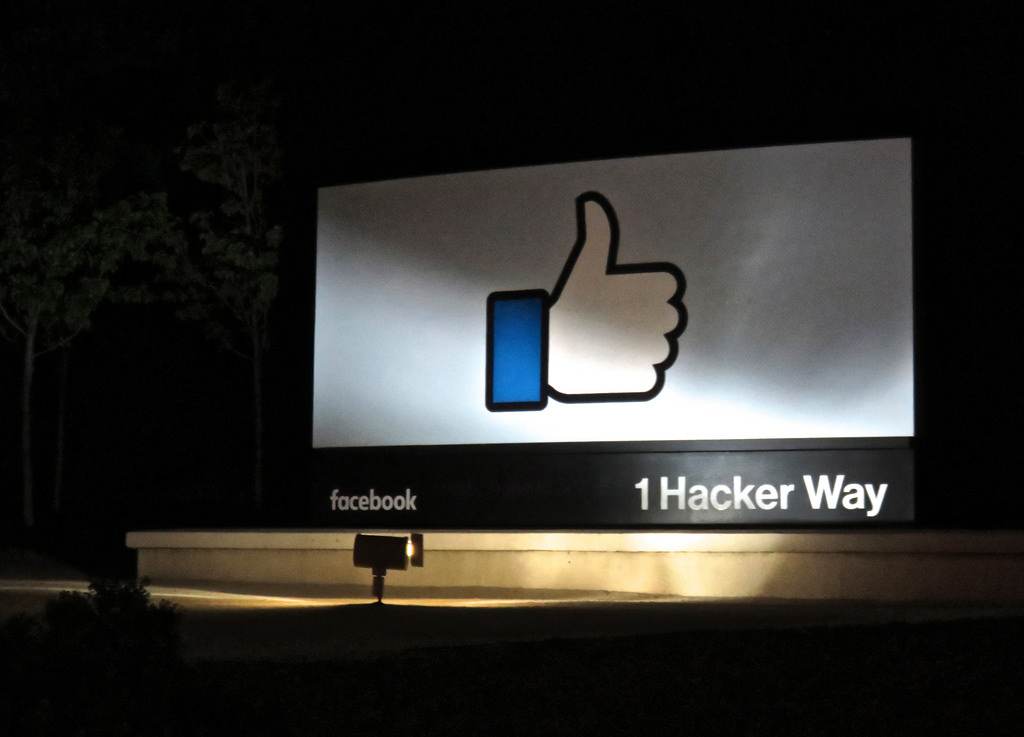
Facebook has been putting on a brave face in light of the numerous scandals that it has been involved in of late, and has been promising to make sweeping changes. One of these changes includes investigating third-party apps that may have been misusing user information, which they would have had access to prior to a policy change in 2014. So far, over 200 apps seem to have been suspended and already, another new data leak puts more than three million user data at risk.
Facebook announced the suspension of the apps via blog post, which notes how this development follows the promises made by the company’s founder, Mark Zuckerberg. The apps were apparently suspended after they were classified by the social network as “suspicious” without more specific details provided on the matter.
“To date thousands of apps have been investigated and around 200 have been suspended — pending a thorough investigation into whether they did in fact misuse any data. Where we find evidence that these or other apps did misuse data, we will ban them and notify people,” the post reads.
Speaking to TechCrunch, a Facebook spokesperson said that more specific details on the individual apps that are going to be suspended will be provided once the audit is concluded. On the other hand, it seems they have yet to decide exactly how much to tell people or in what way.
Unfortunately, even as Facebook is conducting an audit of suspicious apps on its list, it has to contend with a new development. Researchers over at New Scientist apparently discovered a new set of data that has been left for anyone to see. These include answers to really intimate questions, as well, which means personal data and even results of psychological tests that were taken.
It would seem that this data was not exactly given that much protection. Although official access was technically necessary, a backdoor was apparently easily available to the public, as well.