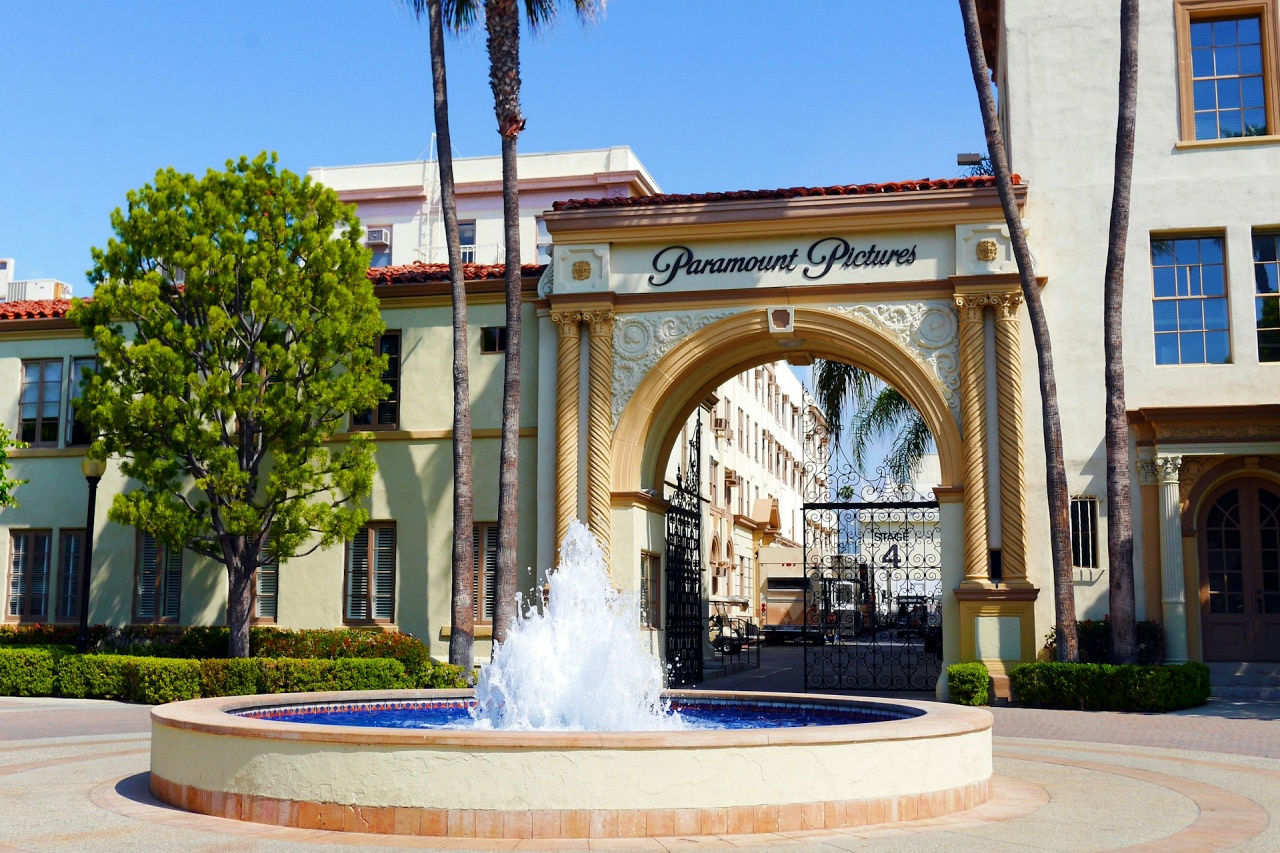
California and 11 other U.S. states have filed a lawsuit seeking to block Paramount’s proposed $110 billion acquisition of Warner Bros. Discovery, arguing the merger would reduce competition and create a dominant media company capable of raising prices across the film and television industry.
The lawsuit, filed in federal court in Oakland, claims the combined company would gain excessive control over theatrical film distribution and basic cable networks, giving it greater leverage over movie theaters, television distributors, and consumers. According to the states, the merged business would account for roughly 27% of U.S. theatrical film distribution revenue, 30% of blockbuster movie distribution, and 27% of the basic cable market.
State attorneys general from New York, Arizona, Minnesota, Colorado, Connecticut, Massachusetts, Nevada, New Jersey, New Mexico, Oregon, and Washington joined California in challenging the transaction. They argue the merger could lead to higher prices, fewer entertainment choices, and weaker wage competition for workers across Hollywood, including writers, actors, and production crews.
Paramount rejected the allegations, saying the lawsuit misrepresents the competitive landscape and relies on an outdated interpretation of U.S. antitrust law. The company maintains that the merger would strengthen its ability to compete with streaming giants such as Netflix and Disney while generating efficiencies through an estimated $6 billion in cost savings. CEO David Ellison has also pledged that the combined studio would release 30 films annually.
The legal challenge arrives after the U.S. Department of Justice cleared the transaction, although critics have questioned whether Paramount’s political ties influenced the federal review. Oracle co-founder Larry Ellison, father of Paramount CEO David Ellison, has longstanding connections with President Donald Trump, while every attorney general participating in the lawsuit is a Democrat.
The states warned that reduced competition could affect negotiations over movie release dates, theater screens, and popular television channels, including CNN, MTV, HGTV, Cartoon Network, and Nickelodeon. They also described Paramount’s production commitments as unenforceable, arguing the company could still increase prices or reduce quality after the merger.
The lawsuit could significantly delay the transaction. Paramount reportedly owes Warner Bros. Discovery shareholders about $650 million in quarterly payments if the acquisition is not completed before October. Extended litigation could also force the company to renegotiate financing, create uncertainty for investors, or potentially jeopardize the deal altogether.