


 US Stocks Slip as Treasury Yields Ease, AI Trade Rebounds
  How to create a thriving forest, not box-checking ‘tree cover’
  Disaster or digital spectacle? The dangers of using floods to create social media content
  Flydubai Co-Pilot Tried to Crash Israel-Bound Jet, Netanyahu Says
  Gold Prices Slip as High Treasury Yields Weigh on Bullion
  The world’s biggest trees could hold the secret to coping with drought
  Evernorth Set for Nasdaq Debut With 473 Million XRP Treasury
  California AG Subpoenas OpenAI Over AI Cybersecurity Incidents
  Disney Plans TV Restructuring With Hundreds of Layoffs
  Amazon Eyes $8 Billion Nvidia Chip Spinoff to Fund AI Expansion
  Nike Stock Slides as Revenue Miss Clouds Turnaround
  Extreme heat, flooding, wildfires – Colorado’s formerly incarcerated people on the hazards they faced behind bars
  LA fires: Long-term exposure to wildfire smoke is poorly understood − and a growing risk
  India Manufacturing Growth Hits Seven-Month High in September
  Malaysia Aviation Group to Buy Airbus SAE Unit
  IMF Says Global Bond Markets Remain Orderly Despite Yield Surge
  Yen Strengthens on Tokyo Inflation as Dollar Awaits US Jobs Data


 Add as a preferred source on Google
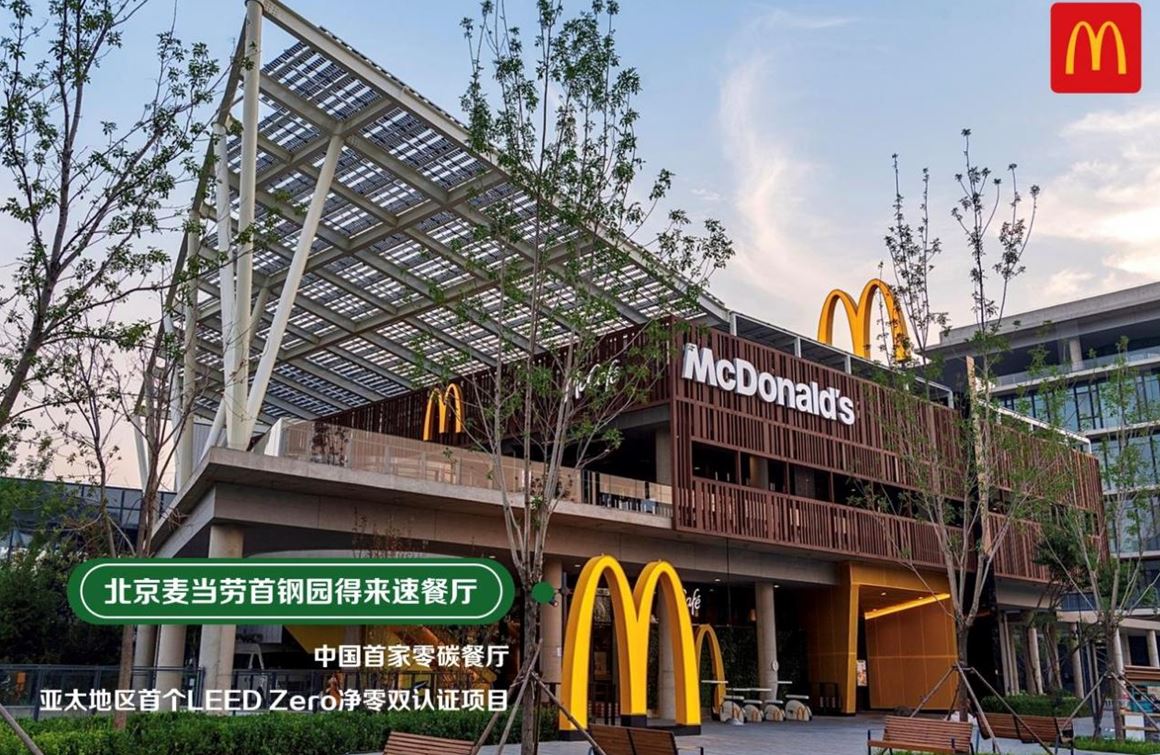
McDonald’s China will “embed green experiences throughout the consumer journey” to engage young, environmentally focused customers.
The marketing strategy aims to provide consumers with green experiences to advocate the benefits of a low-carbon lifestyle.
The fast-food giant has rolled out a range of marketing activities to promote opening its first carbon-zero restaurant in Beijing.
The activities include free food for those who use a navigation app and visit restaurants by bicycle or on foot. There would also be discounts on sustainable menu items, such as Filet-O-Fish, which uses 100% Marine Stewardship Council-certified codfish.
The green restaurant, powered by over 2,000 square meters of on-site solar panels, is among the 1,800 green restaurants that McDonald’s China commits to open across the country by the end of the year.
It would help achieve zero carbon emissions that the company targets by 2050.
The move also represents a significant strategic move for McDonald’s business in China, which is behind market leader KFC.
McDonald’s 5.6 percent market share in 2020, way behind KFC’s 11.6 percent.







