


 Gold Prices Rebound as Dollar Weakens Ahead of US Inflation Data
  Swimming in the sweet spot: how marine animals save energy on long journeys
  Wildfires ignite infection risks, by weakening the body’s immune defences and spreading bugs in smoke
  Rise of the Zombie Bugs takes readers on a jaw-dropping tour of the parasite world
  Ukraine minerals deal: the idea that natural resource extraction can build peace has been around for decades
  TSMC Profit Set to Surge 65% as AI Chip Demand Drives Record Earnings
  How to create a thriving forest, not box-checking ‘tree cover’
  FAA Warns US Airlines Over Saudi Arabia Flight Risks
  Orsted to Take Full Ownership of UK Offshore Wind Farm for £15 Million
  Coinbase CEO Backs SEC Accredited Investor Reform
  South Korea Blocks 27 Crypto Exchange Websites in Regulatory Crackdown
  Visa Wins China Approval to Prepare Domestic Payments Expansion
  Nasdaq Faces Pullback to 26,225 Despite Bullish Outlook, UBS Says
  IMF Maintains 2027 Global Growth Forecast at 3.4% Amid Rising Risks
  European Stocks Rise as Oil Prices Fall Ahead of US CPI
  Wall Street Ends Mixed as Investors Await CPI and Bank Earnings


 Add as a preferred source on Google
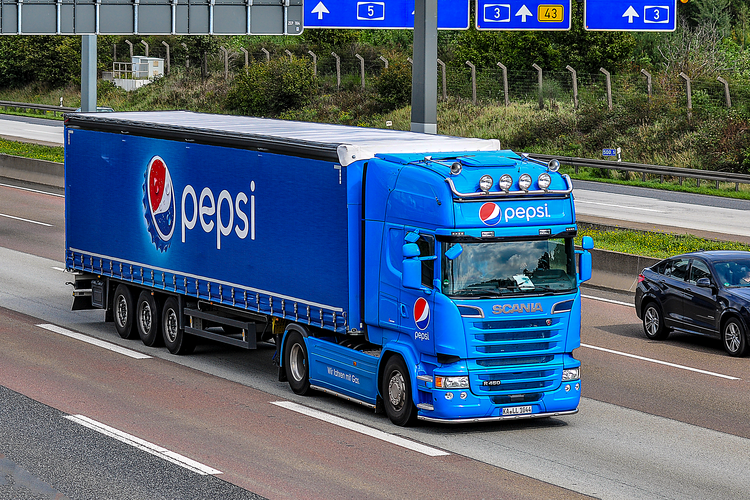
PepsiCo will convert over 40,000 liters of used oil into hydrotreated vegetable oil (HVO) at its snack plant in Burgos, Spain, which will power the company’s fleet of lorries that transport PepsiCo products.
The HVO use is estimated to save 380 metric tonnes of CO2 per year.
HVO is a 100% vegetable-based biofuel said to be able to reduce CO2 emissions by up to 90%, however, its availability is limited.
PepsiCo’s primary, secondary, and fleet transport accounts for 11% of its emissions in Spain, Italy, and Portugal.
PepsiCo is promoting and extending HVO use to eliminate the use of diesel in the medium term.
The company has also launched a pilot test in collaboration with Spanish supermarket chain Dia for transport with ‘duo trailer’ trucks, which function “like a train carriage” and transport up to six tons of snacks.
Javier Pérez Martínez, head of sustainable transport for PepsiCo Europe, said they are doing their bit to reduce greenhouse gases and advance their sustainability strategy.







