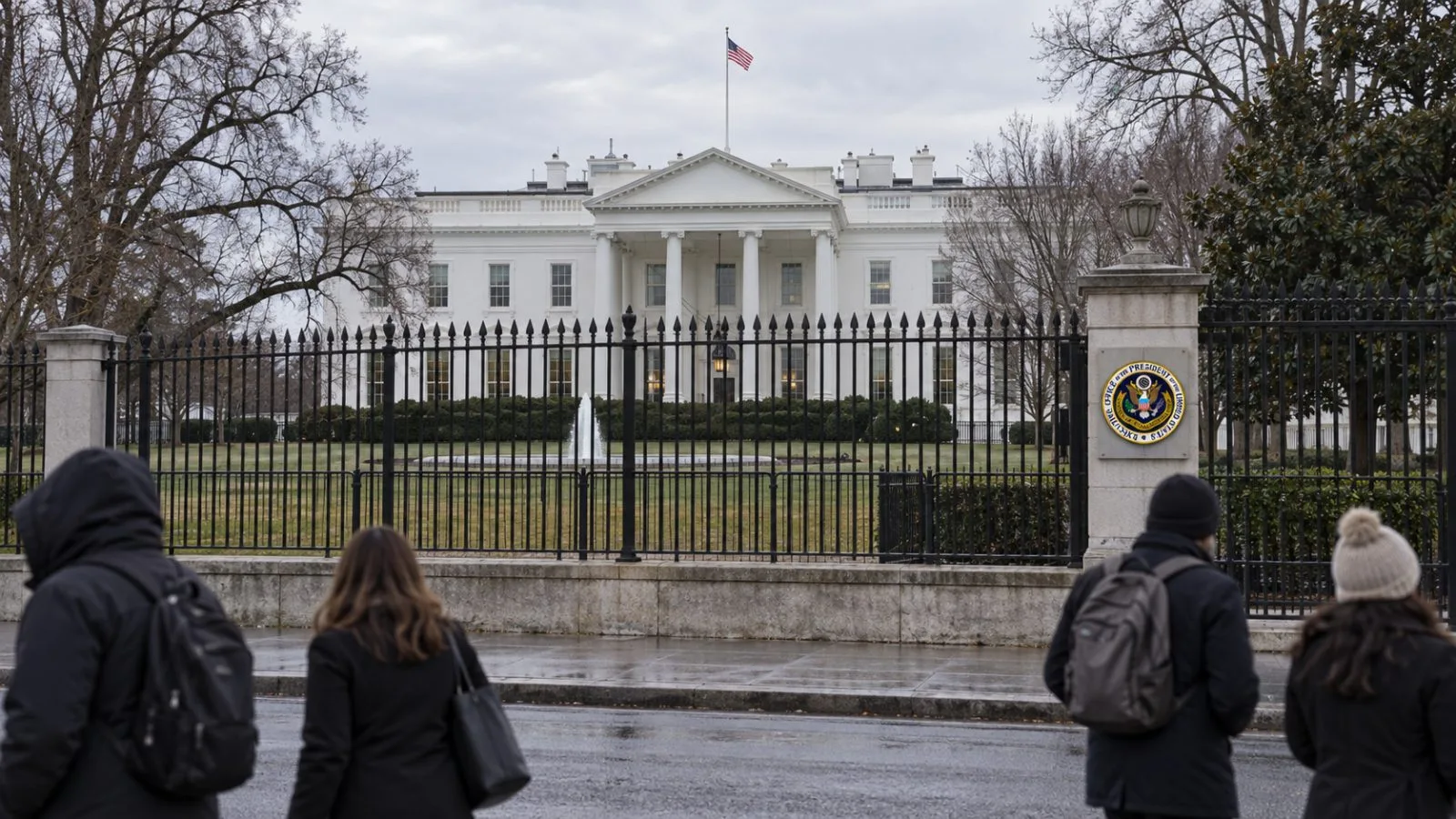
On April 2025, Donald Trump announced a 90-day tariff relief for the majority of nations, a dazzling about-turn after imposing them, out of fear of market volatility. This was at a time when global markets were in disarray, with stock prices plummeting and U.S. bond yields increasing. Trump stated that "people were getting a little yippy" at the market reaction, prompting the brief tariff easing.
However, China was excluded from this tariff reduction. Instead, Trump escalated trade tensions by raising tariffs on Chinese imports to 125%. This came after China had imposed a retaliatory tariff of 84% on U.S. imports, stoking the trade war between the two countries. China's foreign ministry condemned the U.S. for "bullying practices".
The declaration triggered a U.S. market rally, as the Dow Jones rose by nearly 3,000 points and the S&P 500 added 9.5%. Market responses and internal pressures shaped Trump's decision, although he admitted it was much more instinctive than well-thought-out. While every nation but one was offered a reprieve, the mounting tariffs on China highlighted the administration's ongoing hardline approach to trade talks