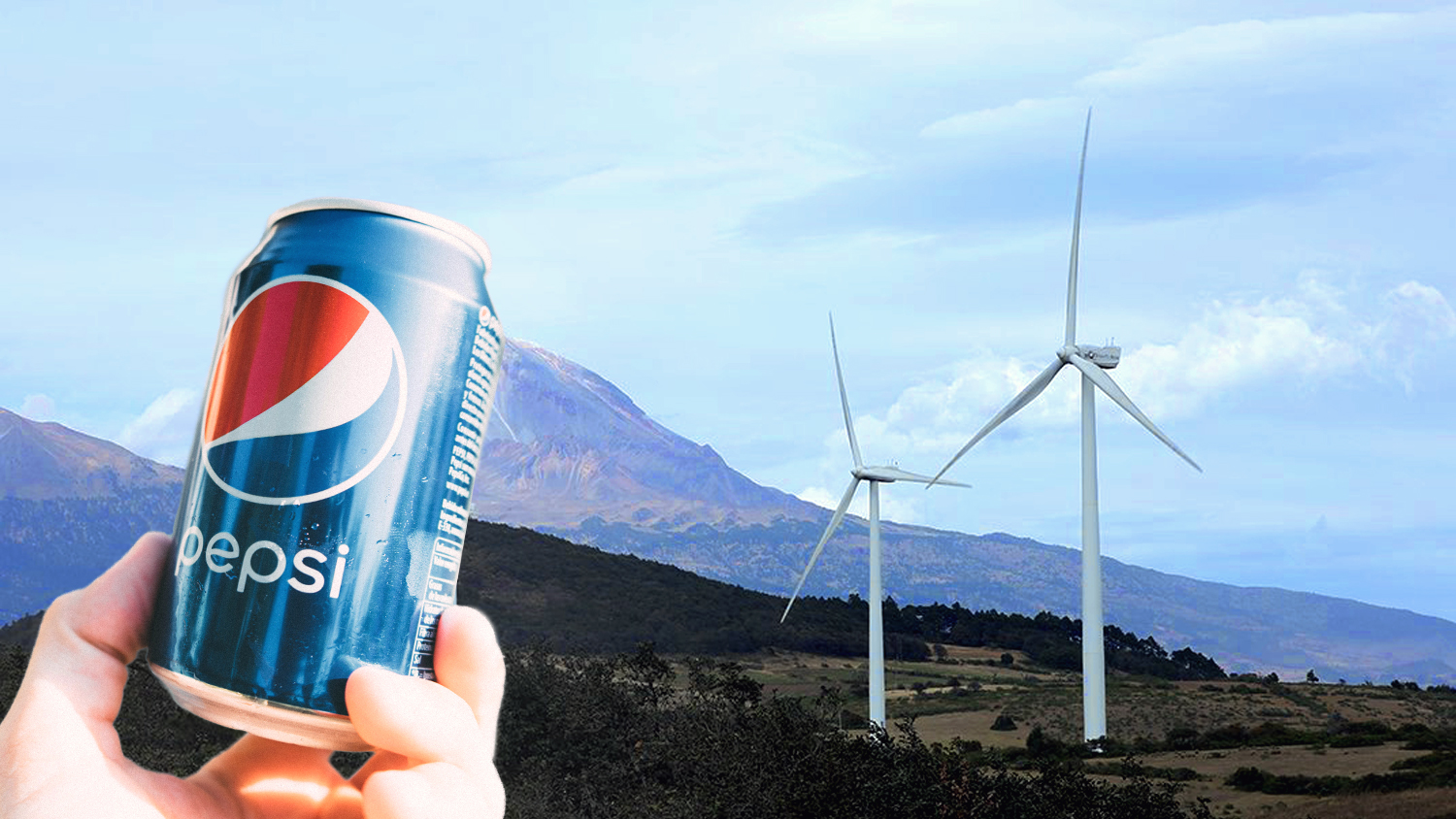
PepsiCo had launched “Pep Positive,” which would steer towards ensuring its products are net zero and achieve its net water-positive targets, according to its regional CEO.
Eugene Willemsen, CEO for Africa, the Middle East, and South Asia said the US multinational also aims to reduce virgin plastic use by half on a first-served basis by 2030.
Willemsen said that PepsiCo also wanted to assist others in reducing water usage, and bringing positive change across the entire value chain.
Pep Positive consists of three pillars of PepsiCo’s climate change strategy — positive agriculture, a positive value chain, and positive choices.
Willemsen revealed that they will work with about 100,000 farmers across the world, and apply regenerative agricultural practices to about seven million acres of agricultural land.
That means they’re going to protect soil health by rotating crops.
PepsiCo will further reduce water use through state-of-the-art irrigation techniques.



Intel, AMD Seek Long-Term China Server CPU Deals as AI Demand Drives Supply Crunch
Alaska Air Q3 Outlook Misses Estimates as Higher Fuel Costs Weigh on Profit Forecast
Ukraine minerals deal: the idea that natural resource extraction can build peace has been around for decades
US-Iran Conflict Escalates as Gulf Attacks Threaten Global Oil Supply
Wistron Opens $700M Texas AI Factory to Build Nvidia GB300 Superchips
As the Black Summer megafires neared, people rallied to save wildlife and domestic animals. But it came at a real cost
Cathay Pacific Sees H1 Profit Surge on Strong Travel Demand
IBM Q2 Earnings Miss Estimates as Software Growth Offsets Infrastructure Weakness
Australia ASIC Tightens Auditor Oversight After KPMG Leak Scandal
ASEAN Ministers Warn Middle East Conflict Threatens Regional Stability and Energy Security
Ryanair Warns Summer Airfares May Stay Lower as Quarterly Profit Misses Estimates
Chalco Shares Jump as Chinalco Plans Up to $300 Million Stake Increase
Gold Price Holds Above $4,130 as Fed Rate Outlook and Middle East Tensions Support Safe-Haven Demand
Thousands of satellites are due to burn up in the atmosphere every year – damaging the ozone layer and changing the climate 


