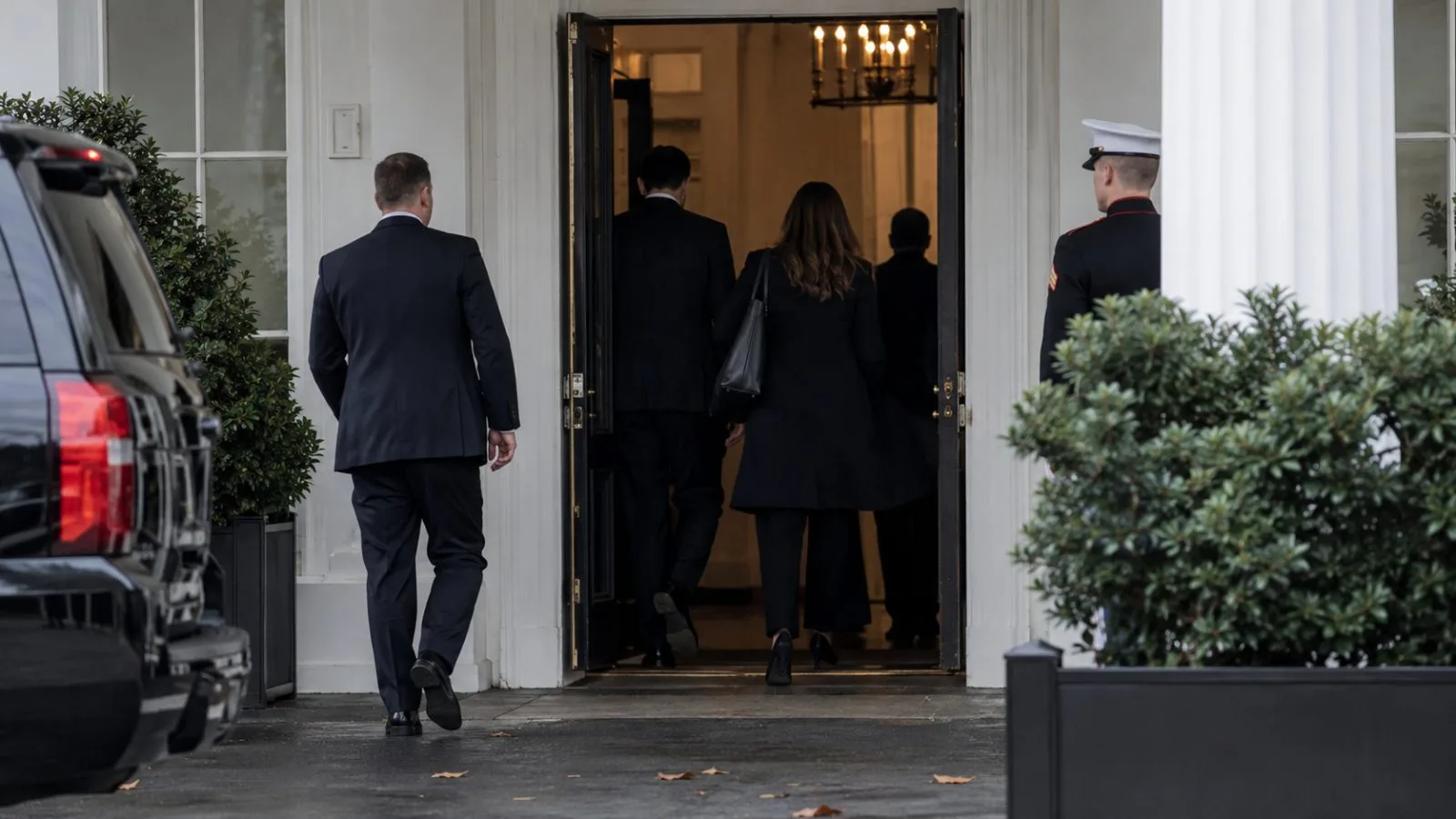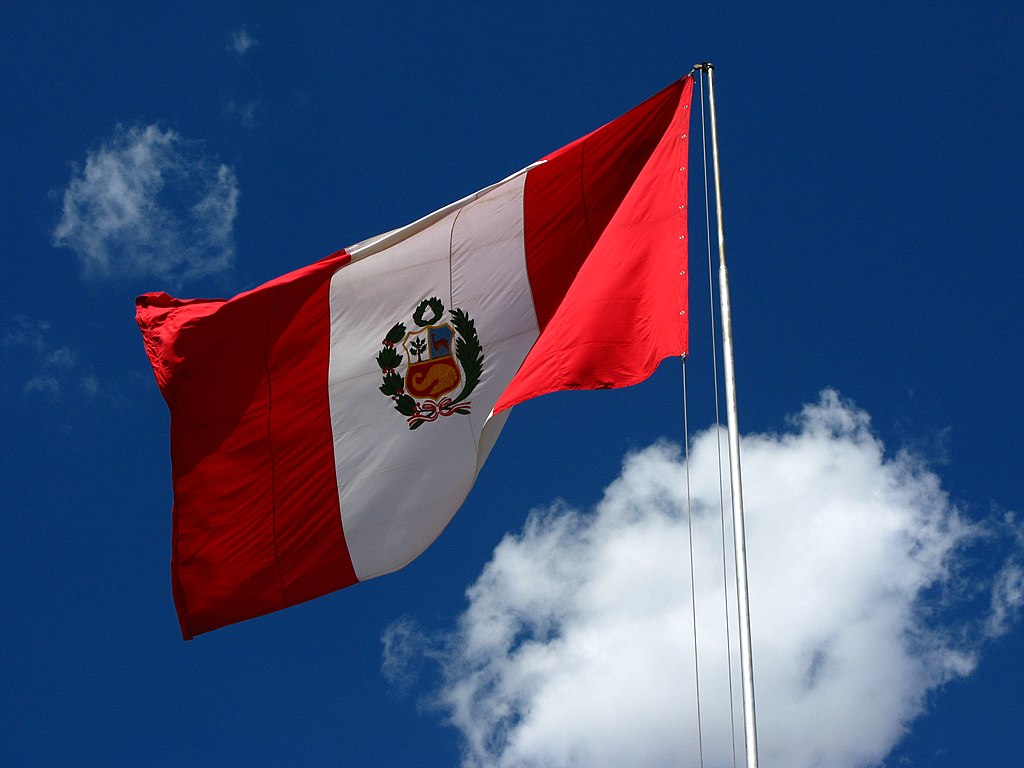
Peru’s newly sworn-in President Jose Jeri has appointed the first members of his cabinet, marking a clear signal of his administration’s priorities following the ouster of former President Dina Boluarte last week. The conservative leader, 38, assumed office amid widespread unrest and public frustration over rising crime and corruption.
Jeri named Ernesto Alvarez, a respected constitutional lawyer and former head of Peru’s Constitutional Court, as Prime Minister. Alvarez, 64, brings extensive judicial experience, having served as a magistrate from 2007 to 2014 and as court president in 2012. His appointment suggests a push toward institutional reform and constitutional stability.
In economic affairs, Jeri selected Denisse Miralles, a former deputy economy minister known for her market-friendly stance, as Economy Minister, signaling a commitment to fiscal responsibility and investor confidence. Veteran diplomat Hugo de Zela, previously Peru’s ambassador to the United States, was appointed Foreign Minister, reflecting Jeri’s intent to strengthen international relations and economic diplomacy.
To confront Peru’s escalating crime crisis—one of the nation’s most urgent challenges—Jeri appointed Vicente Tiburcio, a retired police general who led an anti-terrorism unit, as Interior Minister. Tiburcio’s leadership underscores the administration’s focus on law enforcement and restoring public security.
Jeri’s transitional government will run through July 2026, with general elections scheduled for April 2026. His rise makes him Peru’s seventh president in just nine years, underscoring the country’s persistent political instability.
Boluarte’s presidency ended after Congress declared her “morally incapacitated,” following months of declining approval ratings that had plunged to between 2% and 4%. Her removal sparked protests from civil groups, youth organizations, and transport workers in Lima, many angered by rising extortion and violence targeting drivers and local businesses.