The Philippine economy posted weaker-than-expected growth in the final quarter of 2025, reinforcing concerns about slowing momentum and increasing speculation over further monetary policy easing by the central bank. According to the Philippine Statistics Authority, gross domestic product (GDP) expanded by 3% in the fourth quarter compared with the same period a year earlier. This marked a notable slowdown from the downwardly revised 3.9% growth recorded in the previous quarter.
The latest GDP figure fell short of the 4% median forecast in a Reuters poll, highlighting broader challenges facing the Philippine economy as it exited 2025. As a result, full-year economic growth reached only 4.4%, well below the government’s official target range of 5.5% to 6.5% for the year. The underperformance underscores persistent headwinds, including weaker domestic demand, slower public spending, and external uncertainties.
A key factor behind the lackluster economic performance was reduced government expenditure, partly linked to a corruption scandal involving major infrastructure projects. The controversy delayed approvals and implementation, weighing heavily on public investment—traditionally a major driver of Philippine GDP growth. Analysts note that infrastructure spending has been critical to sustaining economic expansion in recent years, making the slowdown particularly impactful.
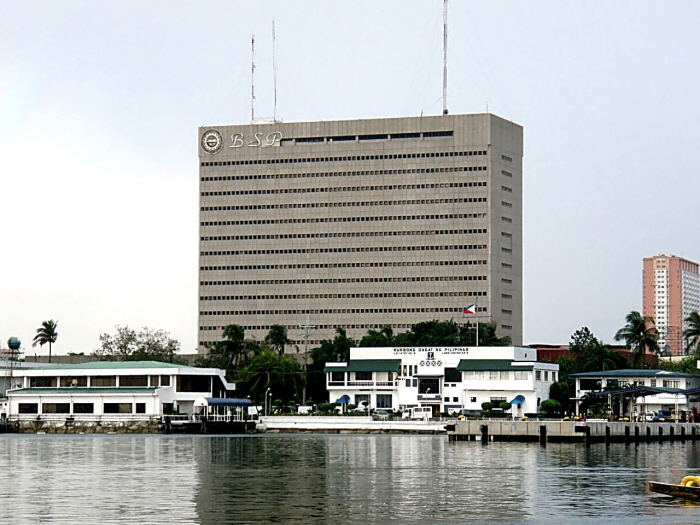
The softer growth outlook has strengthened expectations that the Bangko Sentral ng Pilipinas (BSP) may consider another interest rate cut. BSP Governor Eli Remolona previously stated that weaker-than-expected fourth-quarter GDP data would play a role in the central bank’s policy decision at its February 19 rate-setting meeting. The central bank has already reduced its benchmark interest rate by a cumulative 200 basis points during the current easing cycle, bringing it to a three-year low of 4.5%.
While Remolona has indicated that the rate-cutting cycle may be nearing its end, the latest economic data suggests policymakers could still have room to act if growth remains subdued. Market participants are closely watching upcoming indicators, as monetary policy decisions will be crucial in supporting economic recovery and restoring confidence in the Philippine economy heading into 2026.