


 Midnight NIGHT Token Surges 86% as Smart Contract Launch Nears
  Ethereum Price Eyes $3,000 as Fed Rate Hike Odds Drop
  XRP Asia Launches to Accelerate XRPL Adoption Across Asian Banks
  Zcash Awards $8 Million in Grants After Orchard Bug Crisis
  Cardano Price Struggles as NIGHT Token Surges 20%
  Citi Raises Bitcoin Price Target to $113,000 on ETF Optimism
  Bitcoin Holds Above $83,700 as High Treasury Yields Limit Rally
  WordPress Malware Uses Ethereum to Evade Removal
  NEAR Intents Hack Drains $3.8 Million, NEAR Price Falls 7.5%
  Ripple Locks 700 Million XRP Back in Escrow After October Release
  Goldman Sachs Names CATL, Zenergy Top China Battery Picks
  Chainalysis AI Traces $387M Bitget Hack in Under 10 Minutes
  Bank of America Sees EUR/USD at 1.15 by Year-End
  Bitcoin Exchange Reserves Hit Multi-Year Low at 2.68 Million BTC
  Ripple and Cardano Expand Blockchain Adoption in Brazil
  Evernorth Set for Nasdaq Debut With 473 Million XRP Treasury


 Add as a preferred source on Google
Newly formed center-right minority government in Portugal has fallen, after a decisive parliamentary vote and now a socialist government, supported by leftist faction of the parliament is set to form government. Portugal's president, Anibal Cavaco Silva will ask, António Costa, the Socialist party leader, to form government.
There lies the problem, this government is against austerity, which risks bringing Portugal to similar position like Greece. Only thing is that Greek's debt burden and loan issued was much greater in size.
To add further, this government will be a coalition of a socialist party, majority of whose ideas were close to fallen government and there are significant differences of ideas between the socialist and the leftist. So stability of the government also remains a key issue.
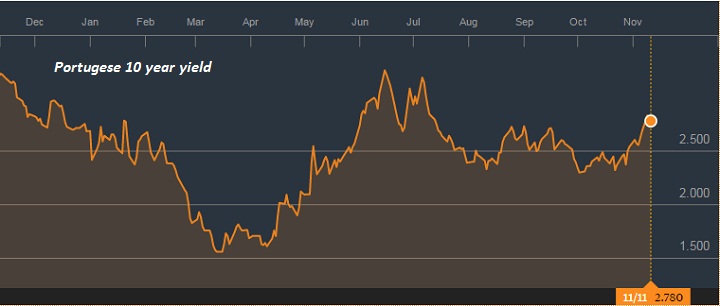
So far market hasn't taken much note of it, especially Euro, which is more focused on policy divergence at the moment. However, rising borrowing cost of Portugal is flashing alarms already.
10 year Portuguese sovereign bond is hovering around 2.8%, a level not seen since July.
So far the leftists have dropped their demand for exit from Euro area and upfront debt restructuring of Portugal's debt and joined the socialist government, but many analysts believe it is only a matter of time before government is held hostage by fresh demands.







