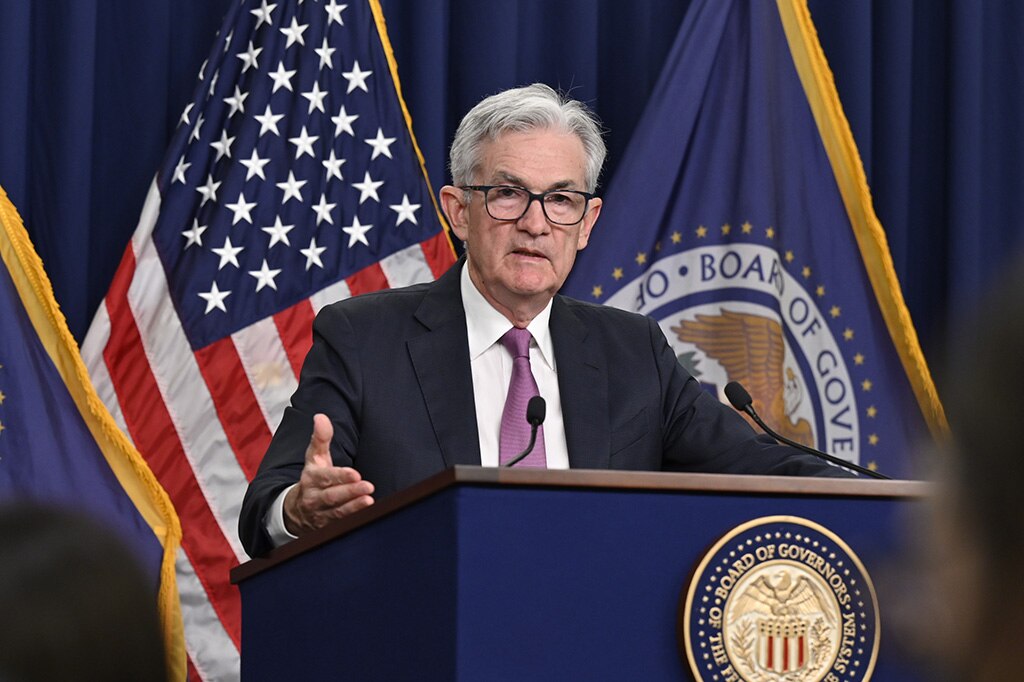
Federal Reserve Chair Jerome Powell said Wednesday that U.S. consumers will begin to feel the effects of President Donald Trump’s tariffs as goods inflation rises in the coming months. Powell emphasized that tariffs on imported goods—especially Chinese products and metals—will push up consumer prices, as businesses pass on some of the costs.
"Ultimately, the cost of the tariff has to be paid, and some of it will fall on the end consumer," Powell said during a press briefing after the Fed held interest rates steady. He pointed to business feedback and historical data as evidence that tariff costs are being transferred to consumers.
While the Trump administration, including Treasury Secretary Scott Bessent, has claimed that foreign producers will absorb the costs, recent inflation trends suggest otherwise. U.S. customs revenue hit a record $23 billion in May, nearly four times the $6 billion collected in the same month last year, highlighting the growing impact of new import taxes.
Fed officials now expect two rate cuts this year but signaled a slower pace of easing ahead due to inflationary pressures tied to the tariff policy. Powell noted the lag in price impact, explaining that many goods on shelves were imported before tariffs took effect. As newer, tariff-hit imports arrive, prices in categories like electronics are already rising.
Bessent pushed back on inflation concerns, citing recent data showing only a 0.1% monthly rise and strong wage growth. He added that U.S. and Chinese officials plan to meet again in three weeks to negotiate easing trade tensions.
Despite Trump stepping back from proposed 145% tariffs, Powell acknowledged uncertainty remains but said the Fed is adapting to evolving trade dynamics.