
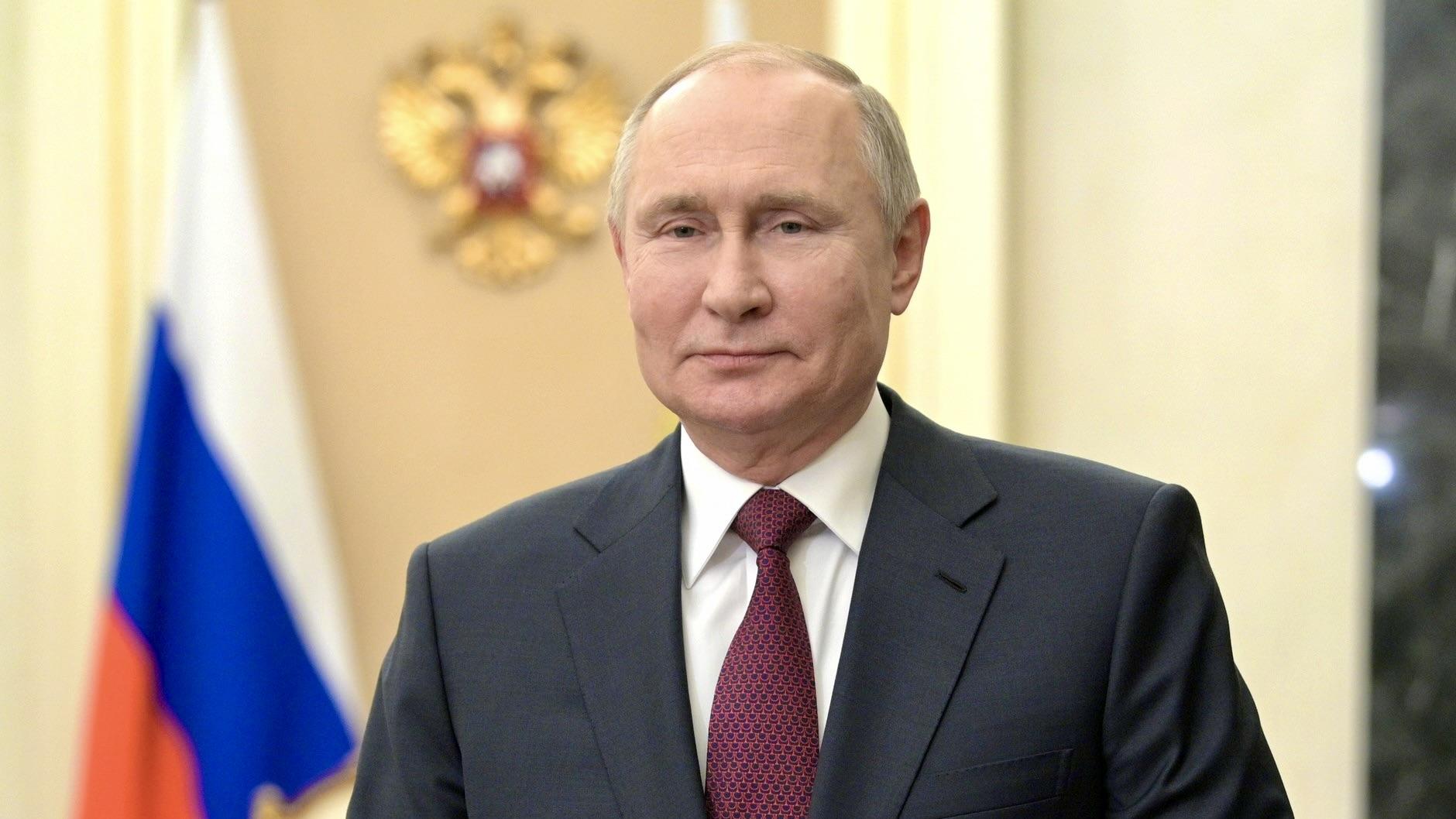
Russia’s flagship investment gathering, often referred to as the “Russian Davos,” opened in St. Petersburg on Wednesday as President Vladimir Putin seeks to attract international business interest while facing slowing economic growth and ongoing tensions with the West over the Ukraine conflict.
The annual St. Petersburg International Economic Forum (SPIEF) is being held for the fifth time since Russia launched its military operation in Ukraine in 2022. The event begins shortly after a major drone and missile strike on Kyiv, which Moscow said was retaliation for an attack on a dormitory in the Russian-controlled Luhansk region.
Despite continued Western isolation, the forum has attracted several notable international participants. Among them are Rodney Mims Cook Jr., chairman of the U.S. Commission of Fine Arts, conservative commentator Candace Owens, and potentially internet personality Andrew Tate. Kremlin officials described this as the first significant U.S. participation in a major Russian investment forum since 2017–2018.
Although the Ukraine war is absent from the official agenda, it remains a dominant concern among attendees. Many participants are closely watching whether the conflict will continue to weigh on Russia’s long-term economic outlook.
Russia’s economy expanded significantly during Putin’s first decade and a half in power, reaching approximately $2.3 trillion in 2013. However, years of sanctions and geopolitical tensions have limited growth. While the economy outperformed expectations in 2023 and 2024, growth has slowed sharply. Russian officials now forecast economic growth of just 0.4% in 2026 after a contraction in the first quarter.
Former central bank deputy chairman Oleg Vyugin warned that Russia faces a difficult choice between maintaining high levels of military spending and supporting broader economic growth. According to Vyugin, reducing defense expenditures could help lower interest rates, improve lending, ease sanctions-related pressures, and stimulate civilian industries.
The forum’s theme, “Pragmatic Dialogue: The Path to a Stable Future,” brings together Russian billionaires, international business leaders, policymakers, and energy executives. Discussions will focus on global energy markets, artificial intelligence, investment opportunities, and economic cooperation.
German retail billionaire Thomas Bruch, linked to the Hyperglobus business, is among the European participants. Organizers noted that approximately 1,800 German companies continue operating in Russia despite strained political relations.
Candace Owens is scheduled to participate in a panel discussing family life and career success. Meanwhile, a strong Saudi Arabian delegation, including Energy Minister Prince Abdulaziz bin Salman, will take part in energy-focused discussions alongside Russian Deputy Prime Minister Alexander Novak and OPEC Secretary General Haitham Al Ghais.
As Russia seeks foreign investment and economic stability, SPIEF 2026 highlights Moscow’s efforts to maintain global business connections despite ongoing geopolitical challenges and economic headwinds.


