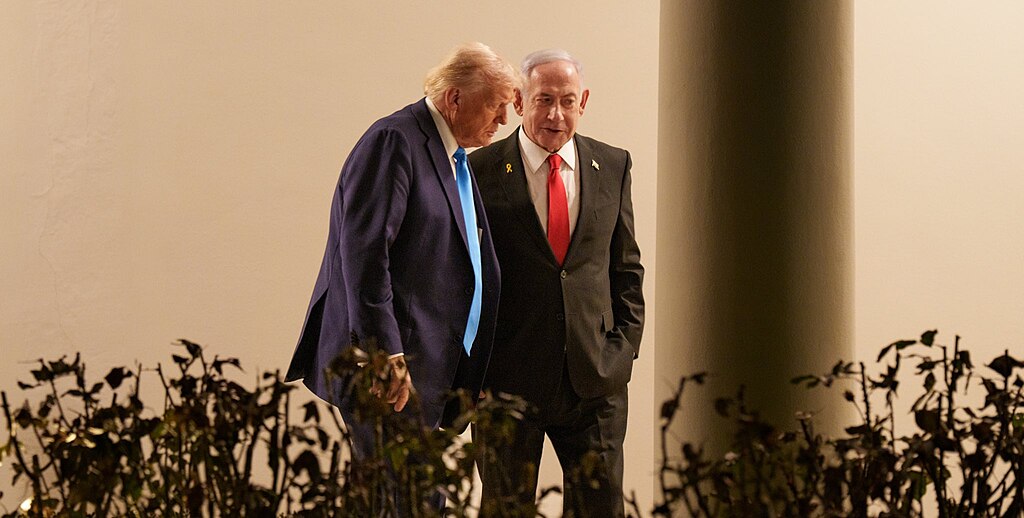
U.S. President Donald Trump and Israeli Prime Minister Benjamin Netanyahu discussed a range of strategies to curb Iran’s nuclear program during their White House meeting, including diplomacy, economic pressure, and potential military action, according to a senior Israeli official.
The official, who spoke anonymously after Tuesday’s meeting, said the two leaders explored three primary options: negotiating a new agreement with Iran, maintaining economic sanctions and blockades, or launching a large-scale military strike. While Netanyahu reportedly introduced additional ideas, he did not urge Trump to immediately pursue further attacks on Iran.
The Israeli official emphasized that the final decision rests with Trump, describing the U.S. president as the “senior partner” and Netanyahu as the “junior partner” in shaping the allies’ strategy toward Iran. The official also dismissed reports of friction between the two leaders, stressing that Washington and Jerusalem continue to share intelligence closely and remain aligned on preventing Iran from acquiring a nuclear weapon.
Ahead of the meeting, Trump had expressed frustration after reports surfaced that Netanyahu planned to present new intelligence regarding Pickaxe Mountain, a heavily fortified underground nuclear-linked facility that Trump has previously threatened to target. Despite the leaked information, the Israeli official said the discussions remained constructive and left the door open for a diplomatic solution.
The official added that Iran’s leadership appears to be under growing domestic pressure from rising inflation and public dissatisfaction. However, he acknowledged that any escalation could have significant consequences for global energy markets.
Oil prices surged sharply on Wednesday amid intensifying geopolitical tensions. The latest increase followed a joint U.S.-Israeli military campaign against Iranian targets and Tehran’s retaliatory attacks on Israel, Gulf states, and U.S. military installations. Iran also confirmed strikes on American bases in Jordan and vessels near the Strait of Hormuz while rejecting an Omani proposal for joint management of the strategic waterway.
Meanwhile, the United States and Saudi Arabia launched strikes against Iran-backed militias in Iraq. Trump also vowed a forceful response after Iran targeted U.S. troops, reinforcing Washington’s hardline stance as the conflict continues to raise concerns over regional stability and global oil supplies.