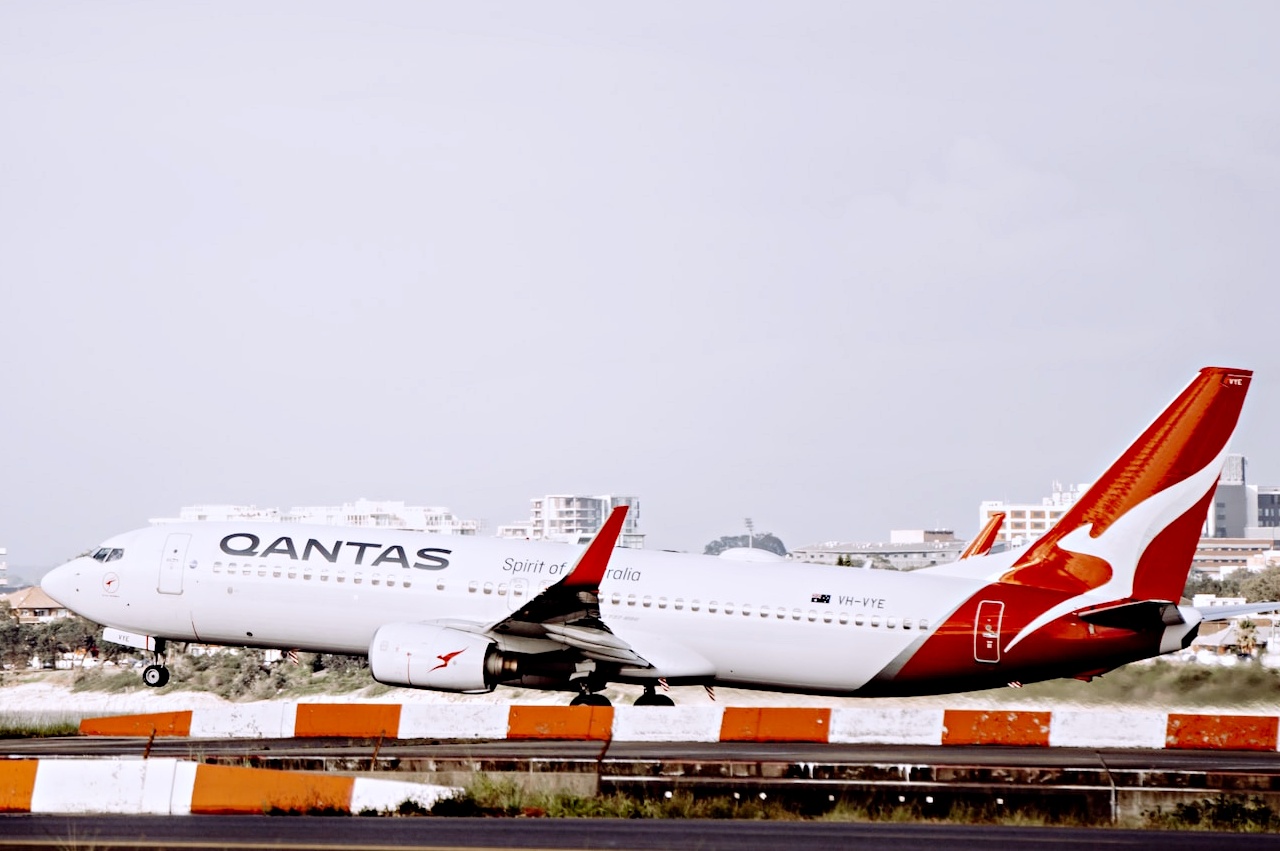
Qantas Airways has announced plans to sell its minority stake in low-cost carrier Jetstar Japan, marking another strategic step by the Australian flag carrier to sharpen its focus on core domestic and international operations. The airline confirmed on Tuesday that it will divest its 33.32% holding in Jetstar Japan, although it did not disclose financial details of the transaction.
Under the revised ownership structure, Japan Airlines will continue to hold a 50% voting stake in Jetstar Japan, while Tokyo Century Corp will retain its 16.7% interest. In addition, the Development Bank of Japan is expected to join the airline as a new shareholder, according to a joint statement released by the companies involved. The move signals continued Japanese institutional support for the low-cost carrier despite Qantas’ exit.
The decision to sell the Jetstar Japan stake follows Qantas’ recent closure of Jetstar Asia, its Singapore-based budget airline, in July. Together, these changes reflect a broader strategy aimed at reallocating capital and management attention toward Qantas’ core brands, Qantas and Jetstar Airways, within Australia. The airline is currently navigating softer corporate travel demand and rising fuel costs, while also undertaking the largest fleet renewal program in its history.
Qantas has been grappling with slower-than-expected growth and operational constraints, including delays in returning its Airbus A380 aircraft to service. In November, the airline forecast domestic unit revenue growth at the lower end of its previously projected 3% to 5% range for the six months ending December 2025. Capacity limitations tied to fleet availability have weighed on performance expectations, even as travel demand remains resilient in parts of the market.
Despite these challenges, investor sentiment appeared stable. Qantas shares were trading 0.7% higher at A$10.245 as of early Tuesday, broadly in line with gains in the benchmark ASX 200 index. The modest rise suggests the market views the Jetstar Japan stake sale as a disciplined move aligned with Qantas’ long-term strategy to strengthen its balance sheet and focus on its most profitable operations.
By streamlining its international portfolio and concentrating on domestic aviation, Qantas aims to improve efficiency, manage costs, and position itself more competitively amid an evolving global airline landscape.