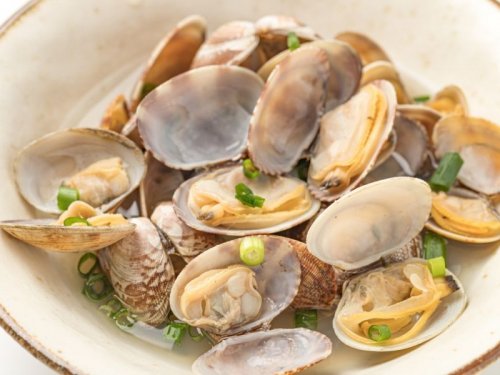
Researchers developed a method to identify the geographic origin of asari clams based on a metal element called neodymium in their shells, which could potentially bring an end to a mislabeling scandal rocking the seafood industry.
The researchers from the University of Tokyo, Hirosaki University in Aomori Prefecture, and other institutions discovered that neodymium gradually entering the sea is absorbed by clamshells, allowing them to determine where asari was reared if their weight compositions are studied.
They found that asari collected from 12 locations in Japan, which have relatively new geological formations, and four sites in China have distinct neodymium weight compositions.
Following reports that clams from China and elsewhere are being sold as produce in the southern prefecture, Kumamoto Governor Ikuo Kabashima announced on Feb. 1 that asari shipments will be halted for two months.
After being kept in the prefecture for a short time, some imported asari were mislabeled, according to officials from the Prefectural Government of Yamaguchi. It accounted for about 40 percent of Japan's shipments of the delicious sea bivalve in the late 1970s.
Kentaro Tanaka, a specially appointed researcher at the Atmosphere and Ocean Research Institute of the University of Tokyo, who is part of the research team, noted that clear differences can be identified if geological formations are from entirely different ages, such as those in Japan and China.
He added that they believe the method will also them to estimate how long clams were raised in China and Japan, respectively. It could serve as a deterrent against origin falsification.
The researchers examined asari products on sale at a market and declared to come from Fukuoka Prefecture, Kumamoto Prefecture, and China.
They discovered that the neodymium content of asari produced in Kumamoto was similar to that of Chinese clams, whereas those from Fukuoka were comparable to levels seen elsewhere in Japan.
According to the fisheries ministry, around 2,485 tons of asari are being sold as food in Kumamoto Prefecture, which is more than 100 times the crop taken there in 2020.