


 RBA Set for September Rate Hike as Inflation Stays High
  Global Central Banks Brace for More Rate Hikes as Inflation Risks Rise
  BlackRock’s Rick Rieder Favors Bonds Over Stocks as Treasury Yields Surge
  Japan Factory Output Unexpectedly Falls 1.7% in August
  ECB May Stop Rate Hikes After December, Capital Economics Says
  Australia Budget Deficit Narrows to A$22.3 Billion on Stronger Tax Revenue
  US Dollar Hits Two-Month High as Aussie, Pound Slide
  Fed Rate Hike Threatens Housing as U.S. Growth Leans on AI, Citi Says
  RBA Hikes Interest Rate to 4.60% as Inflation Risks Rise
  Trump Eyes $54 Billion South Korean Investment in Alaska LNG
  Gold Holds Near Seven-Week Low as Fed Rate Hike Bets Rise
  Asian Stocks Fall as Bond Yields and Oil Prices Surge
  Yen Sinks as BOJ Rate Hike Fails to Impress Markets
  U.S. Stock Futures Steady as AI, Rate Concerns Weigh
  China Industrial Profit Growth Slows as Weak Demand Offsets AI Gains


 Add as a preferred source on Google
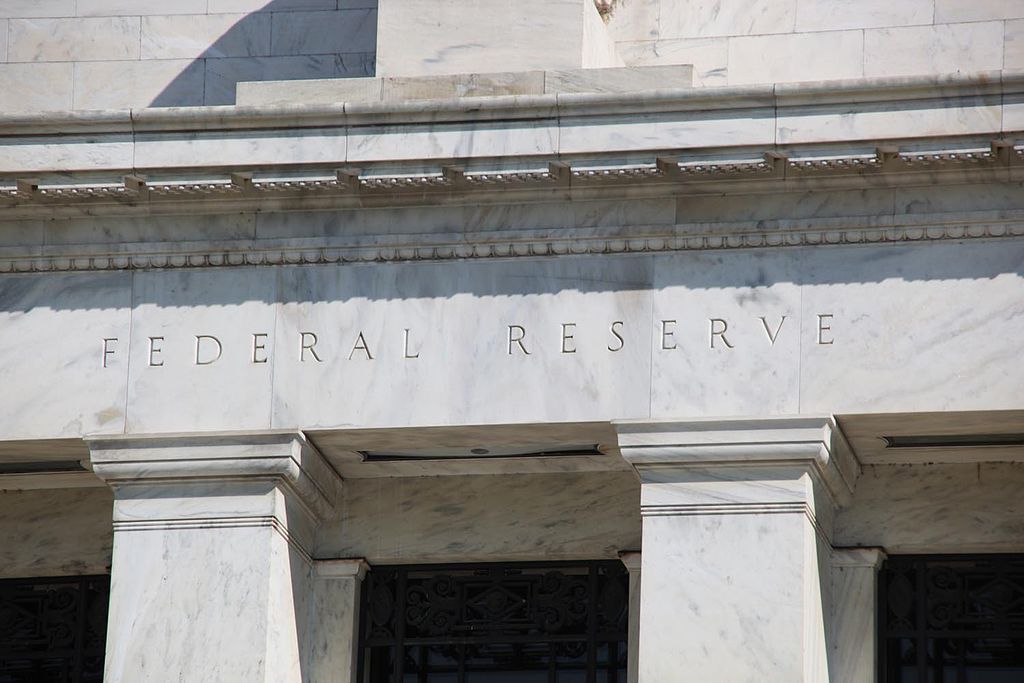
The Federal Reserve has begun purchasing short-dated U.S. government bonds after concluding that bank reserves had fallen into its targeted “ample” range, according to minutes from the central bank’s December 9–10 policy meeting released Tuesday. The decision followed recommendations from Fed staff and reflected policymakers’ concern that declining liquidity could interfere with effective interest rate control.
The minutes emphasized that these reserve management purchases, known as RMPs, are strictly technical operations. Policymakers stressed that the bond-buying program is designed solely to ensure smooth functioning of money markets and maintain control over short-term interest rates, and does not signal any change in the overall stance of U.S. monetary policy. Federal Reserve Chair Jerome Powell echoed this message during his post-meeting press conference on December 10, when the Fed also announced a quarter-point cut to its benchmark interest rate.
The central bank said the Treasury bill purchases would begin on December 12, starting with approximately $40 billion in short-term securities. This move followed the Fed’s earlier decision to halt the reduction of its balance sheet after signs emerged that liquidity conditions were tightening. Officials were concerned that continued balance sheet runoff could complicate management of the federal funds rate, the Fed’s primary tool for achieving its inflation and employment objectives.
During the December meeting, Fed staff cited several indicators, including tighter money market conditions, suggesting that reserves had declined from previously abundant levels into the “ample” range. While policymakers broadly agreed with this assessment, some noted that a clearer definition of what constitutes “ample” reserves would be helpful. Views differed, with some suggesting the definition should focus on money market rates relative to the interest paid on reserve balances, while others warned that holding excessive reserves could encourage excessive risk-taking.
Staff advised that it would be prudent to conduct reserve purchases at a relatively elevated pace through late April, when tax payments are expected to significantly drain reserves, and then slow the pace afterward. Policymakers generally agreed on maintaining flexibility to adjust the size and timing of purchases as financial conditions evolve, underscoring the Fed’s commitment to stable markets and effective monetary policy implementation.







