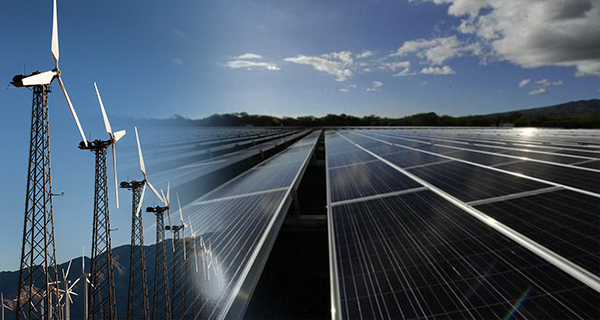
The amount of electricity generated from renewable energy in South Korea reached an all-time high of 7.5 percent in 2021 due to government efforts to cut greenhouse gas emissions.
According to the state-owned Korea Electric Power Corp., renewable energy sources generated 43,085 gigatonne-hours last year, accounting for 7.5 percent of overall power output in the country.
The ratio was three times larger than it had been a decade before. It was the first time the share had surpassed the 7% barrier.
The amount of power generated by solar, wind, and other renewable energy sources increased 3.5 times during the previous decade.
The substantial increase in renewable energy share came as a result of South Korea's drive to reduce greenhouse gas emissions in order to combat global warming and climate change.
Over the specified time, the proportion of power generated by liquefied natural gas increased from 22.7 percent to 29.2 percent.
Coal-fired thermal power, on the other hand, accounted for 34.3 percent of the country's electrical generation last year, down from 40.8 percent in 2011.
Due to the previous government's strategy of reducing nuclear power output, the nuclear power plant ratio fell to 27.4 percent from 31.1 percent.


OpenAI Australia Data Center Switches Cooling Strategy After Recycled Water Plan Fails
As the Black Summer megafires neared, people rallied to save wildlife and domestic animals. But it came at a real cost
AMD Unveils Helios AI Servers to Challenge Nvidia as OpenAI Adopts New Platform
Fungi are among the planet’s most important organisms — yet they continue to be overlooked in conservation strategies
Alaska Air Q3 Outlook Misses Estimates as Higher Fuel Costs Weigh on Profit Forecast
We combed through old botanical surveys to track how plants on Australia’s islands are changing
Oracle Stock Rises After Winning Up to $6.99 Billion U.S. Defense Software Contract
The UK is surprisingly short of water – but more reservoirs aren’t the answer
Australia Jobs Surge in June Strengthens Case for More RBA Rate Hikes
LA fires: Long-term exposure to wildfire smoke is poorly understood − and a growing risk
Thousands of satellites are due to burn up in the atmosphere every year – damaging the ozone layer and changing the climate
Intel, AMD Seek Long-Term China Server CPU Deals as AI Demand Drives Supply Crunch
Trump Administration Imposes New Forced Labor Tariffs on 60 Trading Partners
How is Antarctica melting, exactly? Crucial details are beginning to come into focus
Global Leaders Push Back as Trump Imposes New Forced Labor Tariffs
Oil Prices Rise as Houthi Attacks on Saudi Tankers Heighten Middle East Supply Fears
GesiaPlatform Launches Carbon-Neutral Lifestyle App ‘Net Zero Heroes’ 


