


 Adobe Names Anil Chakravarthy CEO as AI Push Accelerates
  France Targets Shein, Temu With Fast-Fashion Fees
  U.S. Issues Cuba Health Alert as Illnesses Rise
  Trump Orders U.S. Navy to Return to Steam Catapults for Aircraft Carriers
  Hong Kong Eyes Offshore Yuan Expansion, Deeper China Market Links
  Iran’s Hormuz Oil Pressure Fades as Gulf Crude Flows Continue
  SEC Seeks ISS Client Voting Records in Proxy Adviser Probe
  OPEC+ Expected to Hold October Oil Output Steady
  Asian Stocks Rally as AI Optimism Fuels Chipmaker Surge
  Tesla Cybercab Rides Launch in Austin as NHTSA Reviews Rollout
  Uranium Prices Could Top $100 as Nuclear Demand Grows
  Texas Republicans Turn Against AI Data Centers as Election Backlash Grows
  China Expands Influence in Global Gold Market
  Deutsche Telekom Shares Rise as Elliott Pushes Against T-Mobile Merger
  Xiaomi Shares Jump on Europe EV Expansion Plan
  Trump Orders Major Overhaul of US Navy Shipbuilding
  Turkey Targets 5% Economic Growth by 2029


 Add as a preferred source on Google
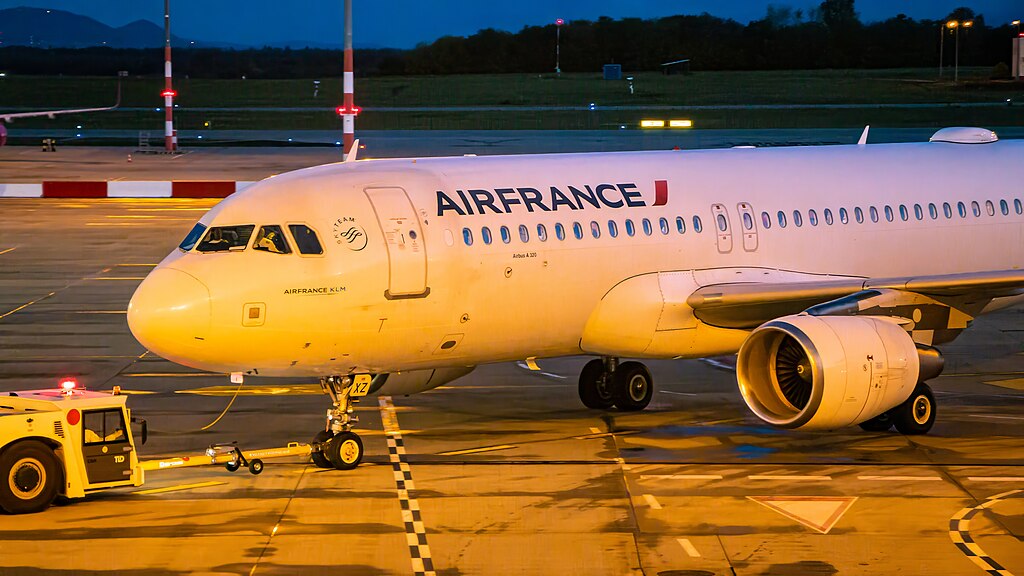
Disruptions to global oil supplies linked to the Iran conflict are driving a sharp increase in jet fuel prices, adding significant costs to air travel across Europe. According to analysis from campaign group Transport & Environment (T&E), long-haul flights departing Europe are now seeing an average fuel cost increase of €88 (about $104) per passenger, while short-haul flights within Europe have risen by around €29 per traveler.
The data compares fuel prices recorded on April 16 with those before the escalation of tensions on February 28 involving the United States, Israel, and Iran. The surge in oil prices has pushed jet fuel above $100 per barrel, creating mounting pressure on airlines already preparing for a busy spring and summer travel season.
Specific routes highlight the growing impact. A flight from Barcelona to Berlin now incurs approximately €26 more in fuel costs per passenger, while a transatlantic journey from Paris to New York has increased by about €129 per traveler. These rising operational expenses are expected to translate into higher ticket prices as airlines seek to maintain profitability.
Major European carriers, including Lufthansa, Ryanair, and Air France-KLM, have indicated they may pass these increased fuel costs onto consumers, particularly if disruptions in critical oil transit routes like the Strait of Hormuz persist. Concerns are also growing over potential fuel shortages, which could lead to flight delays or cancellations.
T&E emphasized that the financial burden from volatile fuel prices is significantly higher than the cost of complying with European Union climate regulations. The group argues that reliance on imported fossil fuels remains a major vulnerability for the aviation sector.
In response, the European Union is preparing guidelines to manage limited jet fuel supplies while accelerating efforts toward energy independence. This includes increased investment in sustainable aviation fuel (SAF) and green energy alternatives. Despite this, airlines continue to lobby for adjustments to EU climate policies, including mandates for synthetic fuel usage and carbon pricing rules, citing rising operational challenges.







