


 FxWirePro: Daily Commodity Tracker - 21st March, 2022
  Best Gold Stocks to Buy Now: AABB, GOLD, GDX


 Add as a preferred source on Google
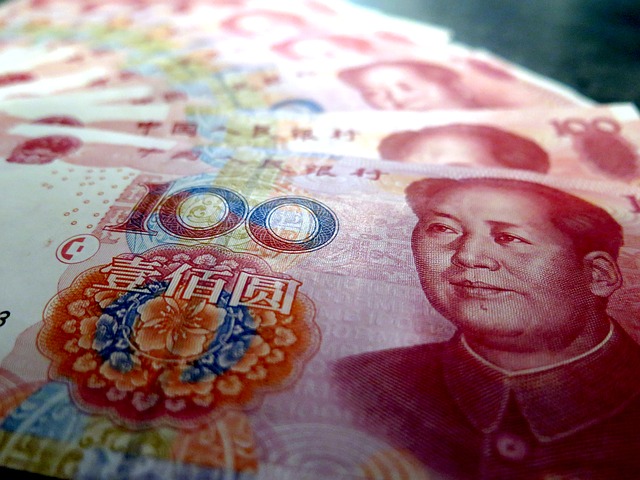
The Reminbi will end up depreciating a little more than the forward curve is currently anticipating (the 12-month forward rate is at Reminbi 6.50, or c.3% downside. Because, there has been a strong correlation between Reminbi strength and weakness in Chinese nominal GDP growth and there is acute PPI deflation and China has net foreign assets of 44% of GDP. FX intervention has hitherto offset much of the stimulatory impact of RRR/rate cuts, a small devaluation could accelerate capital outflows, thus placing further pressure on the currency. The IMF also believes the RMB is no longer 'undervalued.
A decline in excess of 10% is unlikely, as the Reminbi is 5% to 10% overvalued (based on export market share). A large depreciation would threaten a political backlash, but the PBOC can control the depreciation given FX reserves worth 35% of GDP, as they have done historically (in 2005, for example) and there is gross foreign corporate debt of Chinese enterprises of $665bn.
"The key is whether this policy is part of a bigger reflationary package, or another policy that fails to stimulate Chinese GDP. We think that, near term, there will be more stimulus and there are early signs of some stabilisation (Shanghai Rebar, Premier Li indicator, Korean PMIs), with 'real' data already very weak. Longer term, we believe investors are too optimistic on Chinese growth and believe housing indicators (which have stabilised in the past two months) are the key", says Credit Suisse.
This is negative for commodities (though much of the financing may have unwound) those companies that export to China (luxury and German autos: LVMH and Gemalto are rated Underperform and have outperformed the market this year), or compete against China (such as BASF, SKF, Sandvik, solar, wind). The Reminbi devaluation could also lead to pressure on the won and NT$ (with exports to China worth 5.5% and 9.3% of Korean and Taiwanese GDP respectively) and help companies who source from China (retailers and to some extent tech hardware).
"While modestly deflationary, this is not enough to make us buy the bond proxies. Bonds, we believe, will be driven by the European and US recovery (Chinese imports from Germany are already down 20% Y/Y) and core inflation. The weaker RmB could increase pressure on the BoJ to pursue further stimulus (where core inflation is forecast to reach just 0.7% yearend and 2.7% of Japanese GDP is exported to China) and is marginally dovish for other DM central banks. We do not see this as a general risk-off trade given that the bull/bear ratio is already depressed, and both risk appetite and the ratio of cyclicals to defensives are discounting a sharp fall in macro momentum", notes Credit Suisse.







