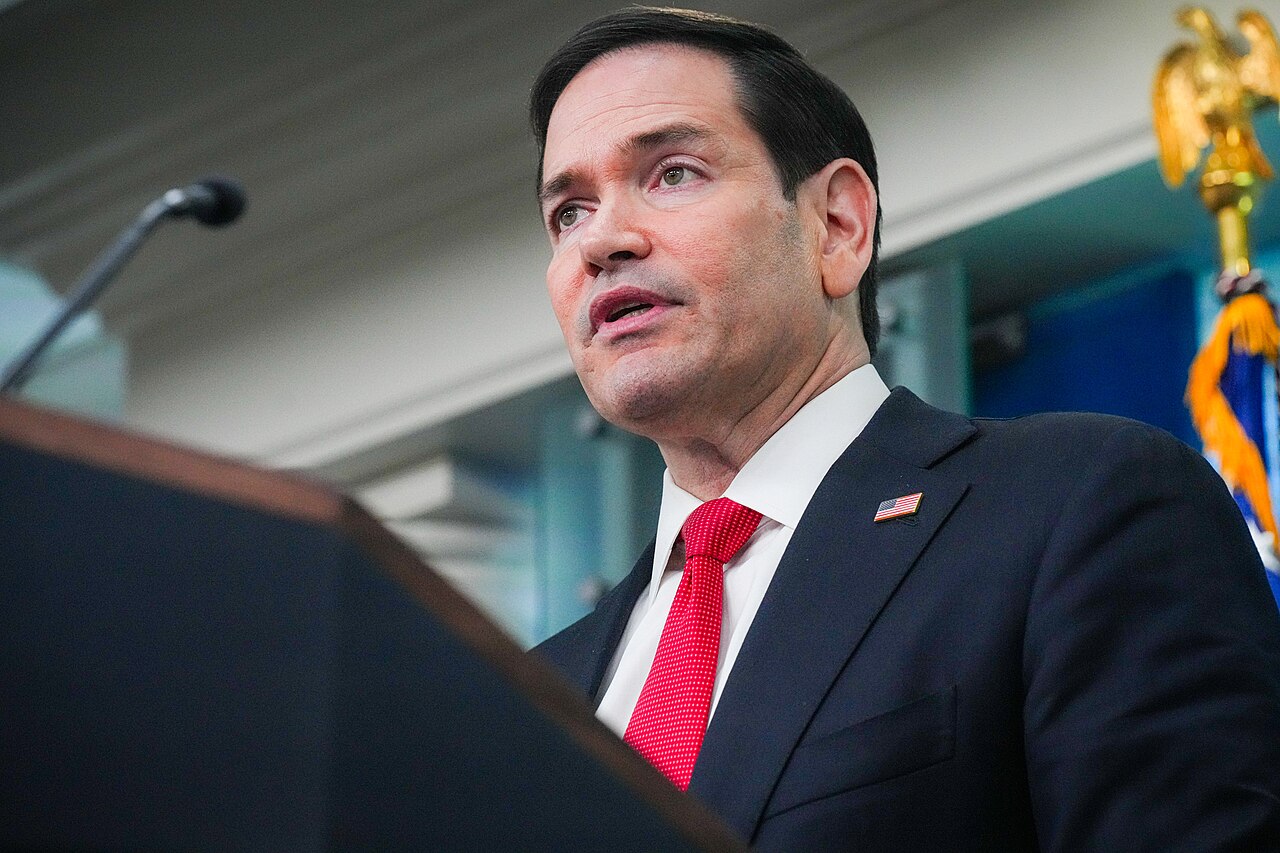
U.S. Secretary of State Marco Rubio told lawmakers on Tuesday that the Trump administration is actively working to find solutions for more than 1,100 Afghan refugees stranded in Qatar and does not intend to force them back to Afghanistan.
Speaking before Congress, Rubio said U.S. officials have already held discussions with at least five countries that may be willing to accept the displaced Afghans. The individuals have been living at Camp As Sayliyah, a former U.S. military installation in Qatar, after their resettlement process was halted.
The Afghan refugees are among thousands who assisted U.S. forces, government agencies, and international organizations during the two-decade American presence in Afghanistan. Many fear persecution and retaliation from the Taliban because of their previous connections to the United States and its allies.
The situation developed after President Donald Trump’s administration suspended refugee resettlement efforts for many Afghans awaiting relocation. As a result, more than 1,100 people have remained at Camp As Sayliyah since early last year, facing uncertainty about their future.
Rubio emphasized that the administration recognizes the risks these Afghans could face if returned to their home country. He noted that the U.S. government is exploring international partnerships to secure safe relocation options rather than sending them back to Afghanistan.
Human rights advocates and refugee organizations have repeatedly expressed concern about the fate of Afghan nationals who supported U.S. operations and remain vulnerable under Taliban rule. Many have urged Washington to accelerate resettlement programs and provide long-term protection for those at risk.
The ongoing discussions with potential host nations could offer a path forward for the stranded refugees. While no final agreements have been announced, the administration’s efforts suggest a commitment to finding alternative destinations for the Afghans currently housed in Qatar.
The future of Afghan refugee resettlement remains a significant issue in U.S. foreign policy, with lawmakers, advocacy groups, and international partners closely monitoring developments as the search for permanent solutions continues.