The U.S. military said it successfully intercepted multiple ballistic missiles launched by Iran toward American forces in the Middle East on Tuesday, describing the attack as an "attempted surprise strike" amid heightened regional tensions.
According to U.S. Central Command (CENTCOM), all incoming Iranian missiles were intercepted before reaching their targets. While the military did not initially specify the intended location, Iran’s Islamic Revolutionary Guard Corps (IRGC) later claimed responsibility, saying it had targeted a U.S. air base and a CENTCOM command center in Jordan in retaliation for U.S. actions against Iranian interests.
Earlier, Axios, citing a U.S. official, reported that Iran had fired ballistic missiles toward a U.S. base in Jordan, with the projectiles successfully intercepted.
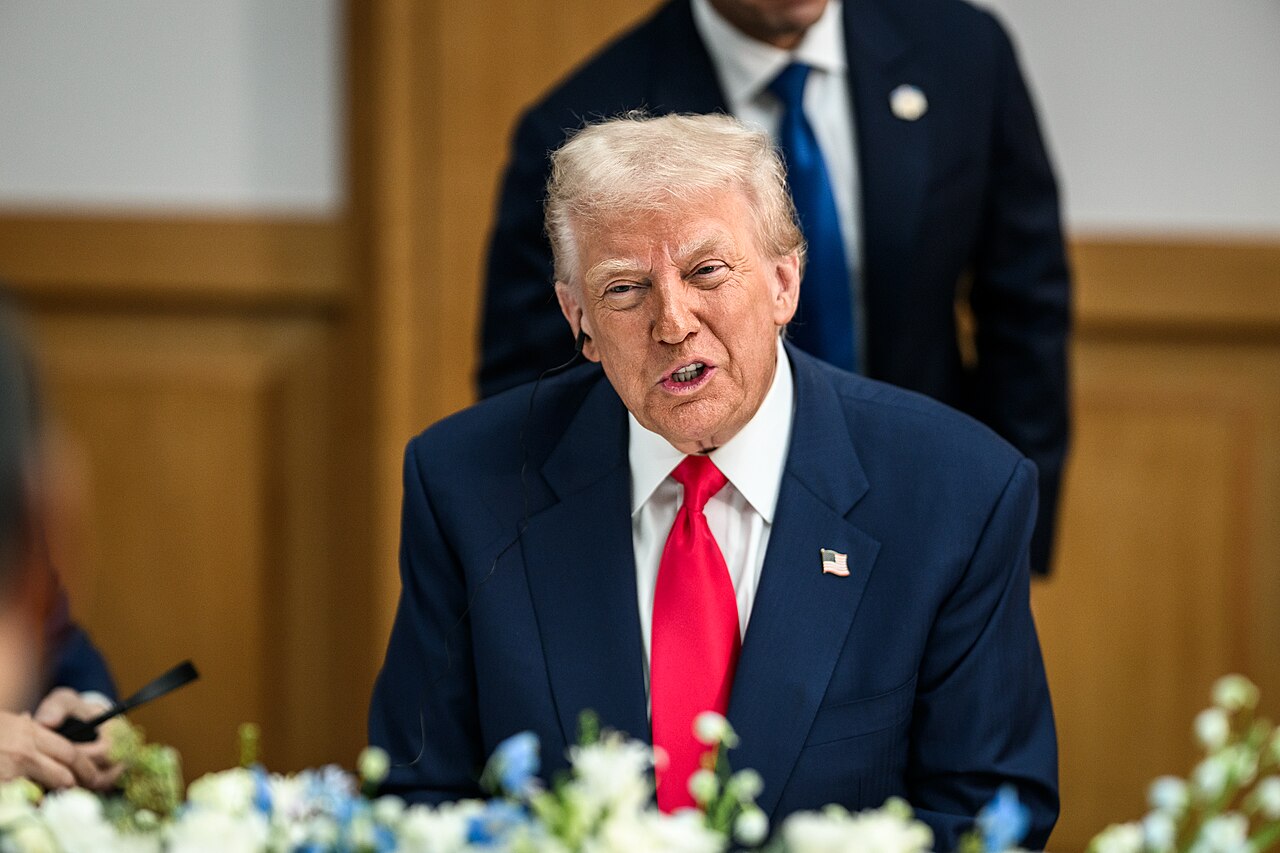
The latest exchange comes as President Donald Trump continues to balance military pressure with diplomacy. Trump recently halted a planned two-week U.S. bombing campaign against Iran, saying Washington was engaged in "good talks" with Tehran while warning that military operations could resume if negotiations fail. Iran has denied that it is seeking renewed talks with the United States.
In a separate development, the U.S. military announced that American and Saudi Arabian forces carried out coordinated airstrikes in eastern Iraq against logistics hubs and weapons sites linked to Iran-backed militant groups. Washington said the targeted groups had been directed by Tehran to launch attacks against U.S. forces and Saudi energy infrastructure.
CENTCOM stated that the joint operation aimed to disrupt militant capabilities and warned Iran and its proxy forces to halt further attacks to avoid additional U.S. military action.
Saudi Arabia confirmed its participation in the strikes, emphasizing that the operation was coordinated with U.S. forces and carried out in response to drone attacks targeting Saudi oil facilities. Riyadh said it does not seek a broader regional conflict but would respond to any acts of aggression.
The conflict began on February 28 when the United States and Israel launched strikes against Iran. Tehran retaliated with attacks on Israel and Gulf nations hosting U.S. military bases. Since then, the fighting has expanded across the region, with U.S.-Israeli operations in Iran and Israeli strikes in Lebanon resulting in thousands of deaths and the displacement of millions, intensifying concerns over a wider Middle East conflict.