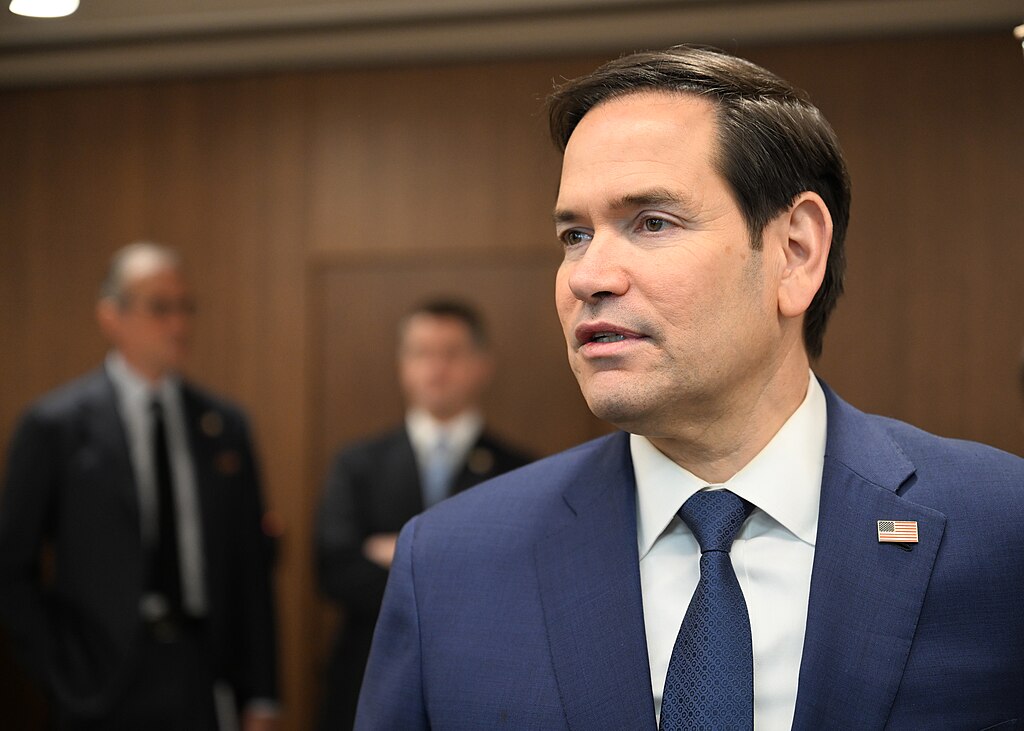
U.S. Secretary of State Marco Rubio said Tuesday that the current situation in Cuba is “unacceptable,” signaling that the United States intends to address ongoing concerns involving the island nation in the future. Speaking to reporters at the White House, Rubio did not provide specific details about potential actions or policy changes, but emphasized that Washington is closely monitoring developments in Cuba.
Rubio’s comments come amid continued economic hardship and political tensions in Cuba, issues that have remained a major point of discussion between U.S. officials and the Cuban government. While he stopped short of announcing immediate measures, Rubio suggested that the U.S. is considering ways to respond to the conditions affecting Cuban citizens.
The secretary of state also highlighted the importance of humanitarian support for the Cuban people. Rubio stated that the United States wants to increase aid to Cuba and is exploring ways to distribute assistance through religious institutions, particularly churches. According to Rubio, churches could play a key role in ensuring humanitarian aid reaches local communities directly and effectively.
The remarks reflect the Biden administration’s ongoing focus on Cuba policy and humanitarian concerns in the region. Rubio’s statement may also raise expectations about future U.S. diplomatic or economic initiatives involving Cuba, especially as international attention remains focused on the country’s economic struggles and access to essential resources.
Cuba has faced years of financial instability, shortages of food and medicine, and growing public frustration, leading to renewed calls for international assistance. Rubio’s comments suggest the United States could pursue additional engagement strategies while balancing political and humanitarian priorities.
Although no immediate action was announced, Rubio’s remarks indicate that Cuba remains an important issue on the U.S. foreign policy agenda.