


 Flavio Bolsonaro Leads Lula 49%-45% in Brazil Runoff Poll
  Trump Secures Russian Diesel Deal as US Fuel Prices Surge
  JD Vance Questions Pentagon Plan to Livestream Fort Hood Shooter’s Execution
  RFK Jr. Launches Nationwide Vaccine Safety Review
  Hegseth Praises USS Abraham Lincoln Crew After Record Iran War Deployment
  US Pressures Allies to Distance From Anti-Disinformation Conference
  Flydubai Co-Pilot Planned Suicide Attack on Israel Airport, UAE Says
  Trump Calls for Zelenskyy Replacement Amid Russian Diesel Deal
  EU Rejects Italy, Greece Calls for Fiscal Rule Flexibility
  US Suspends Microsoft, Adobe From Green Card Program
  Iran Refuses to Halt Uranium Enrichment Amid US Nuclear Demands
  Zelenskiy Criticizes US as Russian Strikes Kill 78 in Ukraine
  US Charges Maduro and Wife With Torture Conspiracy
  ICC Rules Duterte Fit to Stand Trial in Drug War Case
  US, EU Push for Action Against Asia’s Excess Factory Capacity
  Berlin Coalition Talks Advance After Left Party Antisemitism Deal
  Marco Rubio Warns Russia-Ukraine War Could Spark Wider Conflict


 Add as a preferred source on Google
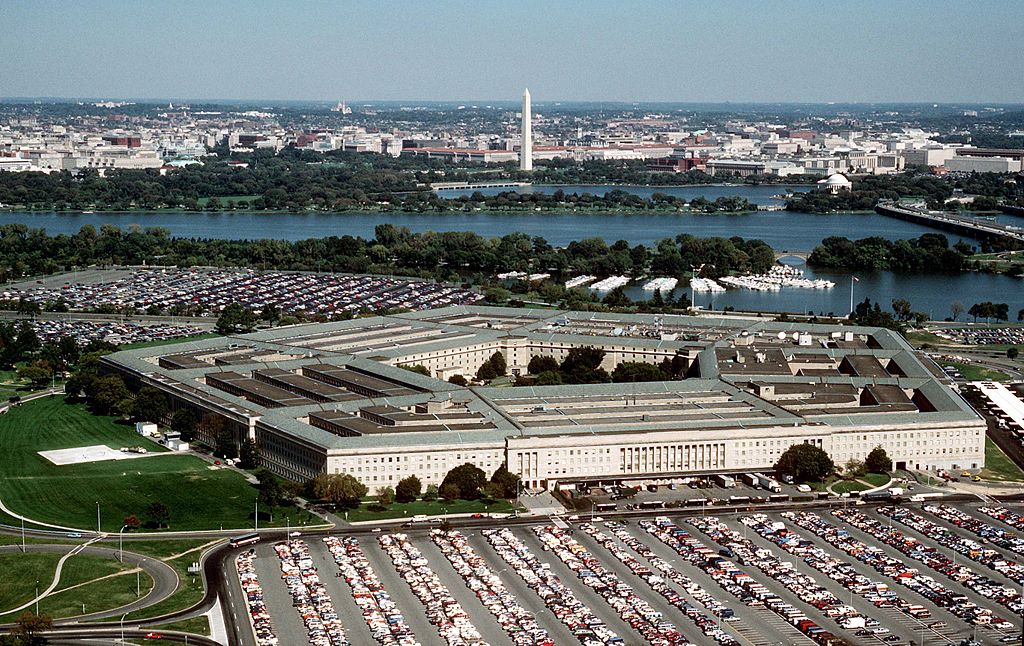
A Pentagon review of U.S. military deployments in Europe is expected to produce at least four options for Defense Secretary Pete Hegseth by November 6, as Washington considers potentially reducing its troop presence across the continent.
The review, launched in June and scheduled for completion by December, has raised concerns among NATO allies that the Trump administration could make significant cuts to the roughly 80,000 U.S. troops currently stationed in Europe.
According to the Pentagon’s Terms of Reference seen by Reuters, the review will examine U.S. military basing arrangements and other strategic considerations. The top U.S. commander in Europe is expected to participate in a key briefing with Pentagon policy chief Elbridge Colby by September 18, helping shape the options ultimately presented to Hegseth.
Colby is also expected to discuss the review with NATO ambassadors in Brussels on Thursday.
A senior Pentagon official said policymakers want to examine the advantages and disadvantages of different U.S. force levels and deployments. Washington has signaled that European allies should assume greater responsibility for regional security while the United States shifts toward more limited support.
President Donald Trump has repeatedly criticized NATO countries for what he views as inadequate defense contributions. His administration has also expressed frustration with some allies over their response to the U.S.-Israeli war against Iran, including disputes involving access to military bases and permission for U.S. aircraft to use allied airspace.
Hegseth previously accused some NATO members of “free-riding” and said the deployment review would closely examine U.S. access, basing and overflight rights.
The Pentagon review will also consider allied support for U.S. space, cyber and intelligence operations, as well as infrastructure that enables American military power projection worldwide.
Another factor will be whether NATO members have credible plans to meet their defense spending commitments and address capability gaps within the NATO Force Model.
Washington has sent allies a questionnaire covering defense spending, military procurement, strategy, access restrictions and support for U.S. foreign policy priorities. Responses are due Friday.
The Pentagon official emphasized that no final force level has been determined, saying the review is intended to provide Hegseth with a broad range of options for the future U.S. military presence in Europe.







