U.S. Secretary of State Marco Rubio is set to meet Chinese Foreign Minister Wang Yi in Manila this week, a key diplomatic engagement that could pave the way for a highly anticipated summit between U.S. President Donald Trump and Chinese President Xi Jinping later this year.
The meeting will take place on the sidelines of the Association of Southeast Asian Nations (ASEAN) foreign ministers' gathering, where regional security, trade, and geopolitical tensions are expected to dominate discussions. According to a U.S. State Department official, Rubio and Wang are likely to focus on preparations for a second face-to-face meeting between Trump and Xi following their previous summit in May.
President Trump has said Xi is expected to visit the United States at the end of September, while Rubio recently expressed confidence that the summit remains on track. Beijing, however, has not officially confirmed the planned visit.
Despite ongoing diplomatic efforts, relations between Washington and Beijing remain strained. Trump recently renewed allegations that China interfered in U.S. elections, accusations that the Chinese government has firmly denied. Speaking at the White House, Trump said the issue would be raised directly with Chinese officials but stopped short of outlining any potential consequences.
"We’re going to talk to them about it," Trump said, adding that while the alleged actions occurred years ago, both countries have engaged in activities against one another, calling the relationship "not a one-way street."
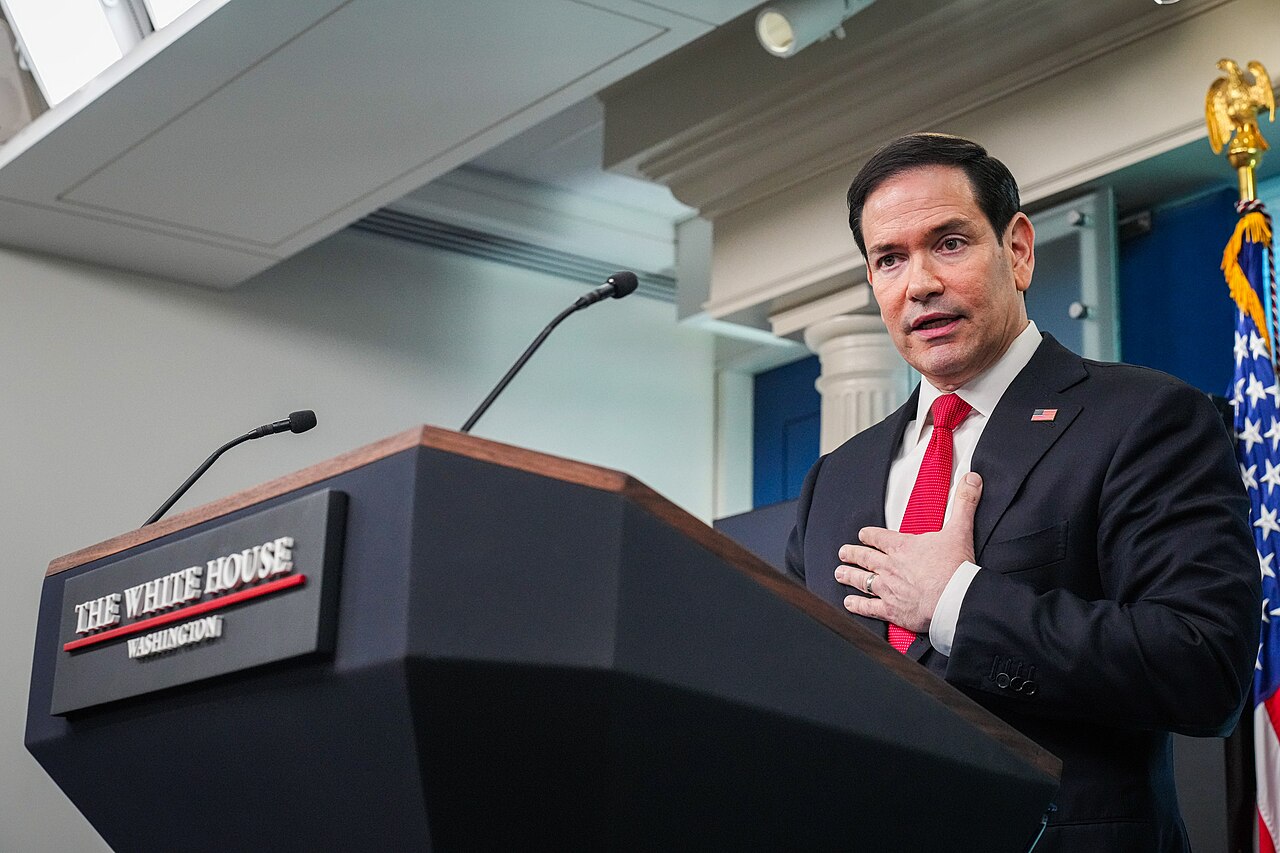
Rubio emphasized that maintaining dialogue between the world's two largest economies remains essential despite persistent disagreements.
"There are always going to be things we don’t agree on, but it’s important for powerful countries like ours to continue talking and maintain a relationship," Rubio said before departing for the ASEAN meetings.
U.S.-China relations have shown signs of stabilization following a temporary trade truce reached by Trump and Xi in October, but strategic competition, trade disputes, technology restrictions, and security concerns continue to shape the bilateral relationship.
Notably, a 2021 U.S. intelligence community assessment found no evidence that China or other foreign actors altered any technical aspect of the 2020 U.S. presidential election, underscoring the ongoing debate surrounding foreign election interference as Washington and Beijing prepare for another round of high-level diplomacy.