


 Trump Announces Massive Oil and Mineral Exploration Plans in Greenland
  US Recalls Nicaragua Envoy After Ambassador Rejection
  China Resumes US Soybean Purchases After Trump-Xi Summit
  SpaceX Starlink Restrictions Disrupt Ukraine Military Operations
  US Senate Midterms 2026: Key Races That Could Flip Control
  Gaza Olive Harvest Collapses as War Destroys Farmland
  Trump Denies China, Russia Are Helping Iran in War
  Flavio Bolsonaro Backs Brazil’s 40-Hour Workweek Reform Ahead of Runoff
  Greenland Lawmakers Back Trump Security Deal Despite Economic Concerns
  US Supreme Court Denies Release of Anti-ICE Activist Kyle Wagner
  North Korea Fires Ballistic Missiles Amid Rising Tensions With South Korea
  NATO Commander Warns Russia of Devastating Response to Attack
  Trump Denies Russia and China Are Helping Iran in U.S. Conflict
  Zelenskiy Says Ukraine Received No Warning Before Russian Missile Attack
  Italy’s Meloni Warns US-Russia Diesel Deal Could Weaken Ukraine Sanctions
  India Voter List Protests Reach Supreme Court as Opposition Demands Election Chief's Resignation
  Trump Warns Houthis Over Attacks, Considers Erdogan Intervention


 Add as a preferred source on Google
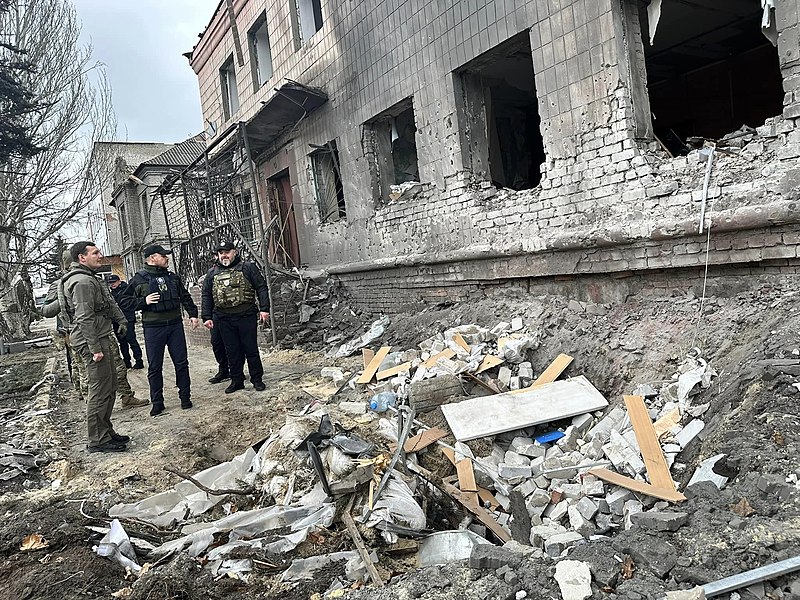
Russia has appointed a new chief of staff for its ground forces in the war in Ukraine. The new chief drew mixed reactions from pro-Russian war pundits and allies of Russian leader Vladimir Putin over his performance on the ground in Ukraine so far.
Russian state-owned media outlet TASS reported Tuesday that Moscow has appointed Colonel-General Alexander Lapin as the new chief of staff of the Russian ground forces in Ukraine. Lapin was previously the commander of the Russian central military district and came under criticism from Putin’s allies back in October. The criticism toward Lapin followed the Russian withdrawal from the key logistical city of Lyman in eastern Ukraine.
Lapin’s promotion was also met with mixed reactions from Russian war bloggers that have been vocal critics of Russia’s performance in the war it continues to wage on Ukraine. Former pro-Russian forces leader in the Donetsk region Igor Strelkov, was among those who questioned Lapin’s credentials, blaming Lapin for Russia’s defeats last year in the now-reclaimed territory of Kharkiv.
Strelkov described Lapin’s promotion as a “misunderstanding” in a post on the Telegram messaging platform. War blogger Vladen Tatarsky, however, disagreed with Strelkov’s comments but said that Lapin’s new position was “useless” that only duplicated the function of the General Staff.
Lapin’s promotion follows other changes to Russia’s military personnel in the nearly 11-month-long war. Back in October, Air Force General Sergei Suroivkin was appointed to become the overall commander of Russian forces in Ukraine, following the reported dismissals of the commanders of the Eastern and Western military districts. In August, the commander of Russia’s Black Sea Fleet was reportedly dismissed after a series of defeats in the annexed Crimean peninsula.
On the same day, the European Union’s ambassador to Ukraine commended Kyiv’s progress in reaching a milestone in reforming its judiciary, which is an important step before starting accession talks with the bloc. EU ambassador Matti Maasikas welcomed Kyiv’s move to appoint eight new members of Ukraine’s High Council of Justice – the body that appoints, dismisses, and disciplines judges – as part of the judiciary reforms needed.
The EU executive branch made judiciary reform one of its main recommendations for Ukraine when it was offered candidate status last June.
“Within reach, a milestone in reforming Ukraine’s court system, as advocated and supported by partners including the EU for years,” Maasikas tweeted. “Also part of the 7 recommendations linked with Ukraine’s EU candidate country status. I am confident that Ukrainian judges will rise to the occasion.”







