


 Evernorth Set for Nasdaq Debut With 473 Million XRP Treasury
  Bank of America Sees EUR/USD at 1.15 by Year-End
  Citi Raises Bitcoin Price Target to $113,000 on ETF Optimism
  Italgas to Buy 22.5% Stake in Portugal’s Floene for €120 Million
  WordPress Malware Uses Ethereum to Evade Removal
  Flydubai Co-Pilot Tried to Crash Israel-Bound Jet, Netanyahu Says
  Supreme Court Takes Up Exxon, Suncor Climate Case
  Volvo Cars Drops Full-Year Outlook as China, US Sales Weaken
  Circle Urges EU to Revise MiCA Stablecoin Rules
  Ripple Locks 700 Million XRP Back in Escrow After October Release
  XRP Ledger Hits 10 Million AI Payments as Bitcoin Retreats
  Coinbase, Circle Stocks Slide as Bank Group Sues OCC Over Crypto Charters
  NEAR Price Rally Cools as $4.60 Support Takes Focus
  Nike Stock Slides as Revenue Miss Clouds Turnaround
  California AG Subpoenas OpenAI Over AI Cybersecurity Incidents
  Goldman Sachs Names CATL, Zenergy Top China Battery Picks


 Add as a preferred source on Google
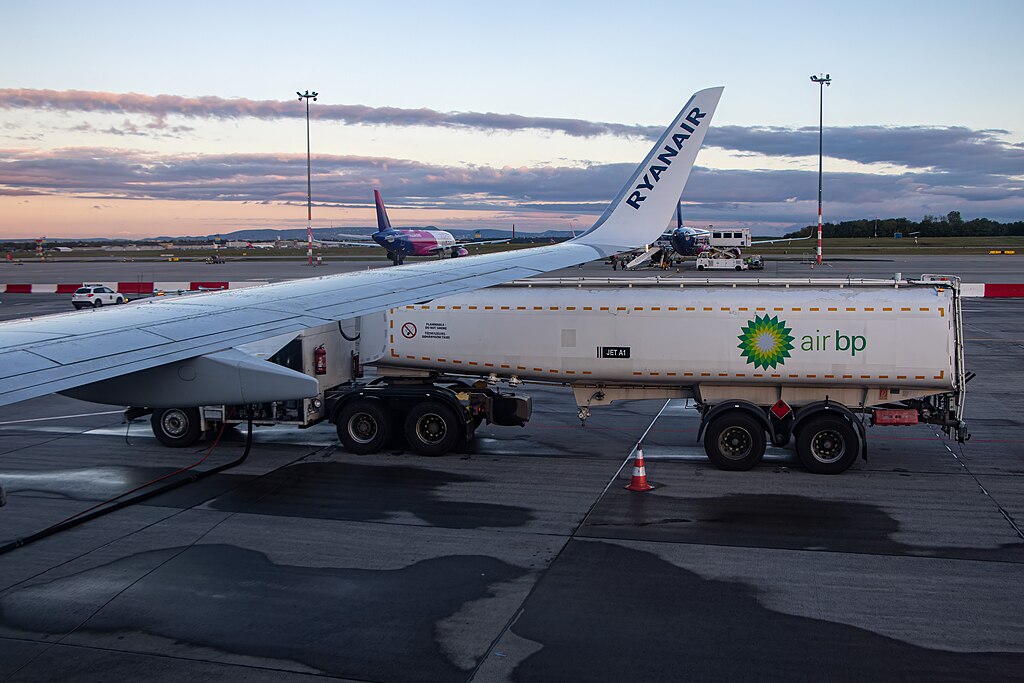
Ryanair cautioned that average summer airfares are likely to remain slightly below last year’s levels as uncertainty surrounding the Iran conflict continues to weigh on travel demand. The budget airline also reported first-quarter earnings that fell short of analyst expectations, highlighting the ongoing challenges facing Europe’s largest carrier by passenger numbers.
For the fiscal first quarter ending June 30, Ryanair posted an after-tax profit of €538 million ($615.6 million), missing the €579 million forecast in a company survey of analysts. The results reflect softer ticket pricing despite steady passenger volumes and continued demand for low-cost travel across Europe.
Chief Executive Michael O’Leary said first-quarter average fares declined 6% compared with the same period a year earlier. He attributed the drop to consumer caution triggered by the Middle East conflict, concerns over potential jet fuel shortages in Europe, broader economic uncertainty, and a trend toward later travel bookings.
Ryanair had already signaled during its May earnings update that it was lowering ticket prices to stimulate demand and maintain passenger volumes. At the time, the airline warned that fares during the key July-to-September travel season could remain broadly unchanged from last year. The latest outlook suggests pricing is now expected to be modestly lower year over year.
According to O’Leary, while booking volumes have recently shown a slight improvement and the airline has relied less on fare discounts, the final outcome for the first half of the fiscal year will largely depend on last-minute travel demand in August and September. These close-in bookings typically generate the highest margins for budget airlines and play a crucial role in overall profitability.
The airline’s cautious outlook underscores the broader uncertainty affecting the European aviation sector. Geopolitical tensions, fluctuating consumer confidence, and economic pressures continue to influence travel spending, even as demand for affordable flights remains resilient. Investors and industry analysts will closely monitor booking trends over the remainder of the summer to determine whether Ryanair can offset pricing pressure with stronger passenger traffic and improved late-season demand.







