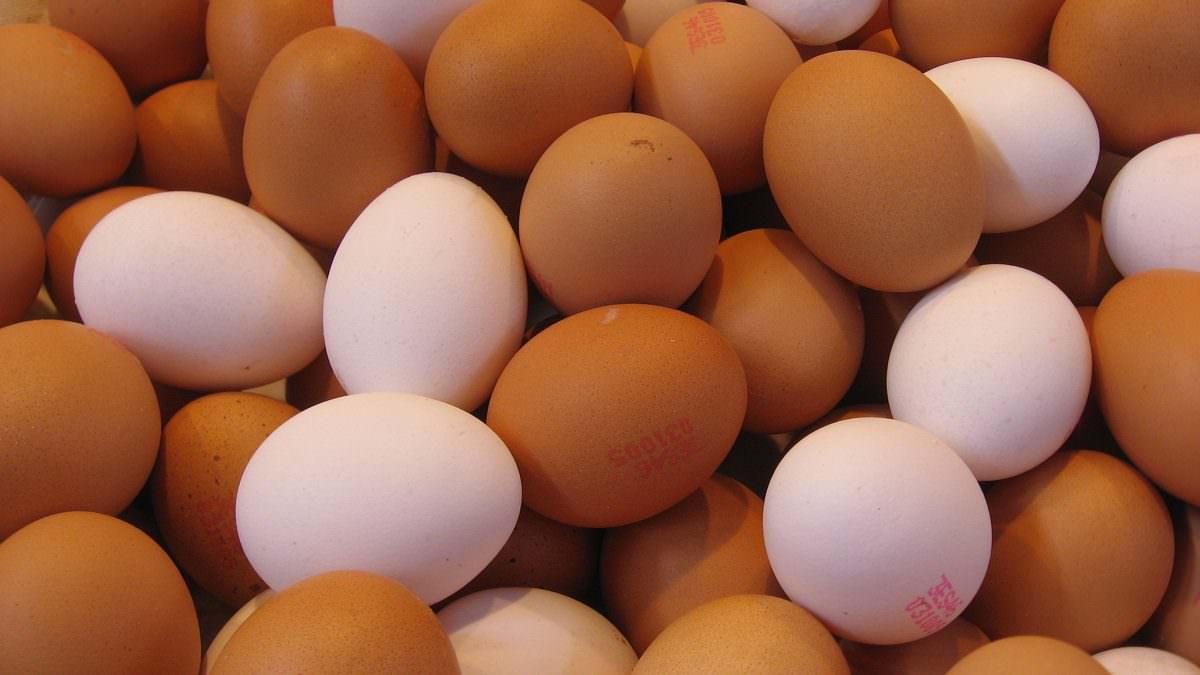
South Korea plans to import 24 million eggs after the Lunar New Year holiday, set for Feb. 11-14, in a bid to stabilize bird flu-induced surge of prices and ease a potential shortage.
The outbreak of avian influenza pushed egg prices by 15.2 percent on-year in January, the fastest since March last year.
Bird flu has ravaged South Korea's chicken farms since November last year. To ease a shortage of supply, South Korea temporarily removed tariffs on imported egg products on Jan. 28.
Consequently, local firms would be allowed to import 50,000 tons of fresh eggs and seven other kinds of egg products tariff-free until June 30.
South Korea recently confirmed another case of H5N8 strain of avian influenza in poultry to bring the total cases to 85.
The latest case from a duck farm in Chungju, which was raising 7,000 birds. All poultry within a 3-kilometer radius of the farm were culled.

China Home Prices Fall Again as Property Slump Drags on Growth
Japanese Yen Retreats as Dollar Rises Ahead of Fed, BOJ Rate Decisions
EUR/USD Eyes 1.17 as Fed Decision Could Weigh on Dollar
Asian Stocks Fall as AI Fears and Oil Surge Hit Markets
Asian Tech Stocks Slide as AI Concerns and Rising Bond Yields Hit Chipmakers
Treasury Buyback Fails to Cool Long-Term Yields
Gulf Ministers to Meet Iran in Oman Over Hormuz Shipping Deal
UK Wage Growth Slows as BoE Rate Decision Looms
Gold Prices Steady as Oil Disruptions Boost Fed Rate Hike Bets
Global Central Banks Brace for More Rate Hikes as Inflation Risks Rise
Central Banks Could Buy 20,000 Tonnes of Gold: BofA
China Industrial Output Beats Forecasts as Exports Support Growth
Saudi Oil Exports Face 4% Global Supply Threat as Pipeline Remains Shut
BOJ Flags Import Costs and Yen Shocks as Persistent Inflation Risks
Asian Bank Stocks Slide as BofA Warning and Rising Yields Hit Sentiment 


