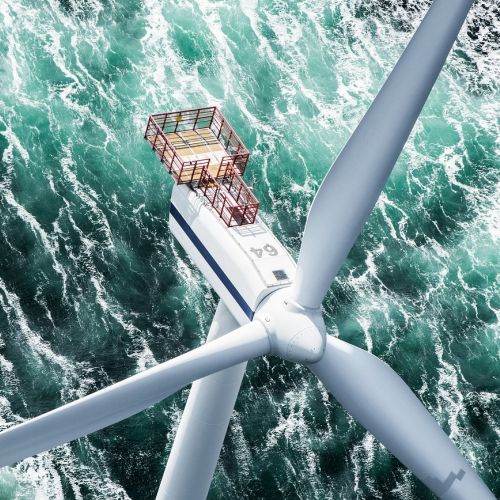
Vestas has been given preference to provide at least 104 of its V236-15.0 MW turbines for the 1.6-GW Nordseecluster wind project cluster in German waters.
The joint venture partners Canada-based Northland Power Inc and Germany’s RWE AG are behind the project that would consist of four wind parks north of Juist island.
Vestas could also receive a multi-year operations and maintenance (O&M) contract to service the machines.
A firm turbine order for the project is required before a final investment decision (FID) on the project.
The wind farm complex will be installed in two phases consisting of 660 MW and 900 MW, respectively.
Nordseecluster A involves the construction of two plants with 44 turbines and is currently in the permit application phase. Offshore turbine installation is seen to begin in 2026, with commercial operations to be launched early in the next year. Nordseecluster B, which will add two more plants, will begin construction in 2028 and become operational in early 2029.
RWE controls 51 percent of the project and has step-in rights for both sites.


Asian Currencies Edge Higher as Markets Look to Fed Rate Cut; Rupee Steadies Near Record Lows
Firelight Launches as First XRP Staking Platform on Flare, Introduces DeFi Cover Feature
Amazon Italy Pays €180M in Compensation as Delivery Staff Probe Ends
China’s Services Sector Posts Slowest Growth in Five Months as Demand Softens
What’s so special about Ukraine’s minerals? A geologist explains
Asian Currencies Steady as Rupee Hits Record Low Amid Fed Rate Cut Bets
Spain’s Industrial Output Records Steady Growth in October Amid Revised September Figures
European Oil & Gas Stocks Face 2026 With Cautious Outlook Amid Valuation Pressure
Fungi are among the planet’s most important organisms — yet they continue to be overlooked in conservation strategies
Citi Sets Bullish 2026 Target for STOXX 600 as Fiscal Support and Monetary Easing Boost Outlook
Gold Prices Steady as Markets Await Key U.S. Data and Expected Fed Rate Cut
IKEA Expands U.S. Manufacturing Amid Rising Tariffs and Supply Chain Strategy Shift
Fertile land for growing vegetables is at risk — but a scientific discovery could turn the tide 


