


 UK Housing Market Slows Amid Tax Hike Concerns
  US Suspends Microsoft, Adobe From Green Card Program
  Ripple Chairman Chris Larsen Donates $22.5 Million Ahead of US Midterms
  XRP Ledger Activates New Security Feature for Banks and Stablecoins
  Trump Buys Up to $25M in Meta Stock, Invests in SpaceX Debt
  How a hybrid heating system could lower your bills and shrink your carbon footprint
  From NIMBY to YIMBY: How localized real estate investment trusts can help address Canada’s housing crisis
  Gold Prices Rise as Hormuz Tensions Fuel Inflation Risks
  Ledger Investigates Alleged $86 Million Crypto Wallet Theft
  Solidigm Taps Goldman, Morgan Stanley for $10 Billion US IPO
  Apple Names Steve Smith M&A Chief in Leadership Shakeup
  Colorado takes a new – and likely more effective – approach to the housing crisis
  Fed Minutes Signal Another Rate Hike by Year-End
  US, EU Push for Action Against Asia’s Excess Factory Capacity
  DWF Labs Sues BitGo for $114 Million Over Alleged Token Sales Breach


 Add as a preferred source on Google
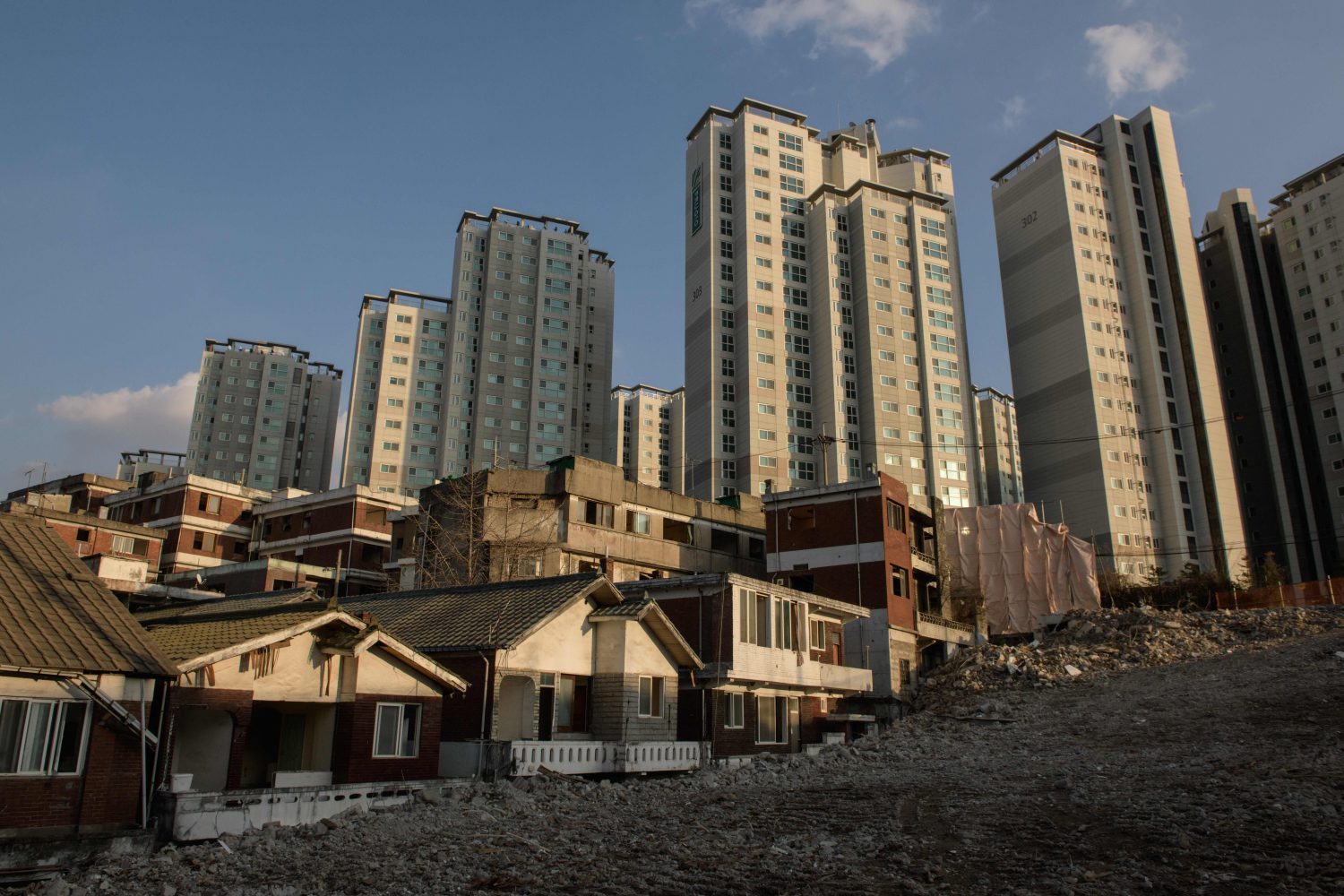
South Koreans’ appetite for nonfinancial assets such as real estate is still high compared to other major economies, although their stock investments increased during the pandemic.
As of 2019, financial assets account for 35.6 percent in the wealth of South Koreans was 35.6 percent, significantly lower than those in the US with 71.9 percent, Japan with 62.1 percent, the UK with 54.8 percent, and Australia with 43 percent, according to the Korea Financial Investment Association.
Among those relying the most on nonfinancial assets are the South Koreans at 64.4 percent, followed by Australians with 57 percent, the Japanese at 37.9 percent, and Americans with 28.1 percent.
A stock buying spree driven by small domestic investors during the pandemic-hit market last year dubbed the Donghak Ant Movement, helped South Koreans increase the volume of their stock investments.
The ratio rose by 4 percentage points from a year ago to 19.4 percent.
The number of financial assets compared to GDP in South Korea marked the lowest among the five countries with 235.9 percent, over 100 percent lower from Japan, with 339.1 percent.
While South Korea’s nominal GDP stood at 1,924.5 trillion won, its household wealth marked 4,539.4 trillion won last year.







