


 Morgan Stanley Bitcoin ETF Nears $1 Billion Milestone
  Polymarket Traders Bet on Trump AI Rename to ‘Super Intelligence’
  Congress Expands Prediction Market Insider Trading Probe
  Meta and Microsoft Cut Internal Claude AI Use
  Cardano Price Surges 10% as ADA Targets $0.30
  CFTC Moves to Set New Crypto Rules After CLARITY Act Failure
  Volvo Cars Drops Full-Year Outlook as China, US Sales Weaken
  Fairshake Backs 32 Pro-Crypto House Candidates
  Supreme Court Takes Up Exxon, Suncor Climate Case
  AAVE, PUMP, WLD and SKY Rally as Crypto Market Slips
  Kraken Parent Payward Adds 24/7 Settlement With Singapore Gulf Bank
  Crypto Lobbying Hits $13M as Clarity Act Stalls
  Coinbase, Circle Stocks Slide as Bank Group Sues OCC Over Crypto Charters
  Chainalysis AI Traces $387M Bitget Hack in Under 10 Minutes


 Add as a preferred source on Google
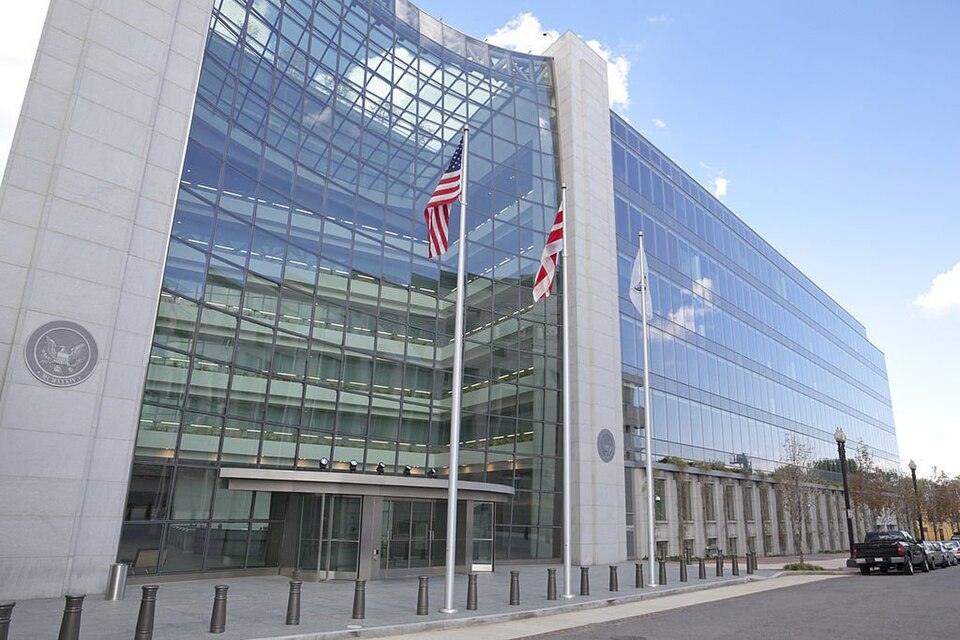
Digital Currency Group founder Barry Silbert says the U.S. Securities and Exchange Commission’s latest accredited investor proposal echoes ideas he championed more than a decade ago, while the rise of tokenization and 24/7 trading further validates his early predictions about financial markets.
The SEC has proposed expanding access to private investment opportunities by allowing individuals to qualify based on financial knowledge rather than solely on wealth. The initiative could introduce a publicly available qualification exam administered under FINRA, giving investors who pass the test access to private funding rounds.
Professional credentials such as CFA and CPA designations could also provide automatic qualification under the proposed framework.
Silbert criticized the SEC’s wealth-based accredited investor rules as far back as 2011. At the time, investors generally needed a net worth of at least $1 million, excluding their primary residence, to participate in many private offerings.
The DCG founder argued that wealth was not necessarily an accurate measure of investment knowledge. Some wealthy individuals might have limited financial expertise, he said, while knowledgeable investors could be excluded simply because they failed to meet the required asset threshold. Silbert instead supported a system based on financial competency testing.
The crypto entrepreneur also revisited another prediction from his 2011 Wall Street Journal interview: that the traditional distinction between public and private companies would eventually become less important.
That vision is increasingly relevant as blockchain tokenization brings private-company shares, investment funds and other real-world assets onto digital networks. Tokenized assets can potentially provide investors with greater liquidity and more flexible secondary-market access.
Meanwhile, the growth of digital trading platforms is pushing markets toward round-the-clock activity instead of relying exclusively on traditional exchange hours.
“Looking at tokenization and the move toward 24/7 trading today, I think I nailed that one too,” Silbert said.
Silbert believes these developments show how financial markets are moving toward the digital structure he envisioned 15 years ago, with tokenization, continuous trading and broader investor access gradually reshaping traditional capital markets.







