


 Nvidia’s China AI Chip Market Share Falls to 34% as Huawei Gains Ground
  Moonshot AI Executives Seek Settlement Ahead of Hong Kong IPO
  Ethereum Foundation-Linked Wallets Move $11.13M in ETH to Kraken
  Amazon in Talks to Acquire AI Startup Decart for $7 Billion
  OpenAI Annualized Revenue Hits $50 Billion, Below Earlier Estimates
  Global Stocks Mixed as Oil Falls Ahead of US Earnings
  Apple Names Steve Smith M&A Chief in Leadership Shakeup
  Arthur Hayes Announces FLOP Testnet Launch Within Weeks
  European Auto Stocks Rise as EU-China Trade Deal Targets Hybrid Imports
  Elon Musk Donates $366 Million to 2026 US Midterms
  Coinbase CEO Backs SEC Accredited Investor Reform
  US Dollar Rises for Fourth Week as Fed Rate Hike Bets Grow
  Elon Musk Eyes Semiconductor Manufacturing Expansion With $15 Billion Terrafab Project
  Oil Prices Rise as Houthi Attacks Threaten Middle East Supply
  Asian Stocks Plunge as AI Chip Selloff Hits South Korea and Japan
  Syndax Stock Drops 15% After Axatilimab Trial Failure
  TSMC Q3 Revenue Beats Estimates as AI Chip Demand Surges


 Add as a preferred source on Google
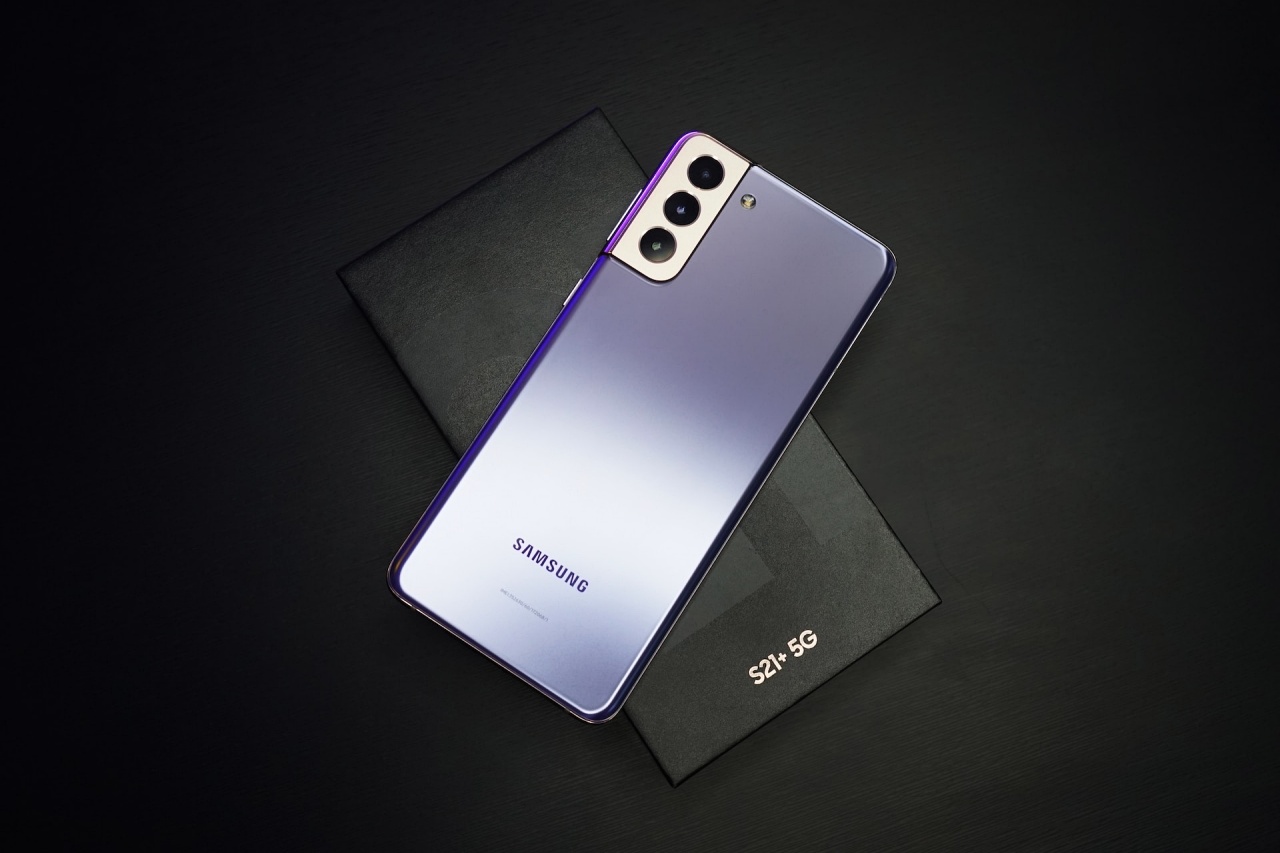
Samsung Electronics is prohibiting its employees from using any artificial intelligence (AI) tools such as ChatGPT. The ban comes as the company became very concerned after the recent incident of a data leak.
Samsung Electronics is making its own AI platforms for its own internal use in software development and other projects. However, due to the data leak that was said to be a result of misusing a chatbot, the company banned its largest business unit from using AI tools. They can no longer use ChatGPT as well.
The Korea Economic Daily reported that Samsung sent out notifications to employees at its Device eXperience (DX) division. They were told to refrain from using AI tools as internal data of the company, which is often highly confidential, could end up somewhere. This division manages the company’s mobile phone and home appliance businesses.
Part of Samsung’s memo to employees reads, “Interest in generative AI platforms such as ChatGPT has been growing internally and externally, and while this interest focuses on the usefulness and efficiency of these platforms, there are also growing concerns about security risks presented by generative AI.”
The company added, “We are reviewing security measures to create a secure environment for safely using generative AI to enhance employees' productivity and efficiency. Until these measures are prepared, we are temporarily restricting the use of generative AI.”
In the new policy imposed by Samsung, all of the executives and employees at the DX unit are not allowed to use Bing AI chatbot, ChatGPT, and Google Bard on their smartphones and desktop computers while at the workplace. They are also prohibited from typing the company’s name and other information related to their work at Samsung when using generative AI tools outside of the office.
These rules were put in place after three Samsung engineers accidentally leaked internal source code via ChatGPT. The code was uploaded to the AI tool to supposedly check technical errors.







