


 Trezor Cuts Reseller Network After Ledger Security Breach
  Oil Prices Surge Above $106 After Deadly Saudi Airport Attack
  Italy’s Meloni Warns US-Russia Diesel Deal Could Weaken Ukraine Sanctions
  IMF Maintains 2027 Global Growth Forecast at 3.4% Amid Rising Risks
  Gold Prices Mixed Ahead of US Inflation Data and Fed Rate Outlook
  Oil Prices Fall as Russia Signals Higher Diesel Exports
  Wall Street Closes Lower as Bank Earnings and AI Concerns Weigh
  Gaza Olive Harvest Collapses as War Destroys Farmland
  Interactive Brokers Launches Ethereum Staking With Zerohash
  Samsung, SK Hynix Shares Plunge as China Chip Competition Grows
  Gold Prices Rebound as Dollar Weakens Ahead of US Inflation Data
  Ripple Mints 19.6 Million RLUSD Amid Banking Expansion
  Asian Stocks Plunge as AI Chip Selloff Hits South Korea and Japan
  Alibaba Unveils Qwen AI Smart Glasses, Shares Rise 2%
  Nasdaq Falls as Oil Prices Surge Ahead of Bank Earnings
  Trump Defends Russian Diesel Deal Amid US Sanctions Backlash


 Add as a preferred source on Google
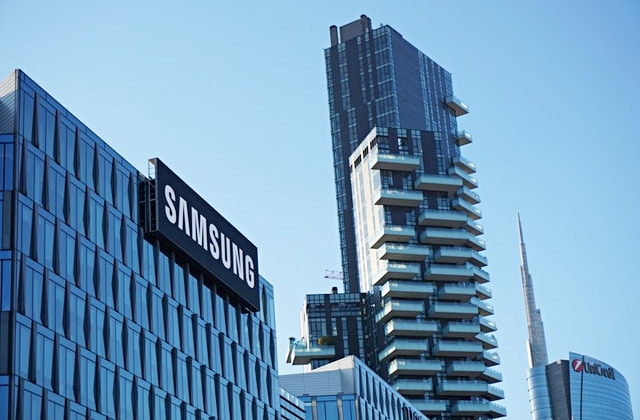
Samsung Electronics announced it had launched a dedicated team for its business in China. Lee Jae Yong, the company’s vice chairman, may visit the country in January to improve relations with Beijing as well as make its position in the Chinese market better.
Samsung Electronics established a dedicated team in China where its mobile phone and home appliances ventures are not doing so well these days. It was said that the South Korean company has been struggling due to rigid competition with local companies.
As per The Korea Economic Daily, the newly-launched team will be working under the supervision of Han Jong Hee, Samsung’s vice chairman, and co-CEO. This means that he is also the head of the company’s DX division that was formed after Samsung merged its mobile and consumer electronics units. Han will be personally managing the entire business in China.
The formation of the new team in China comes as Samsung’s market share in the region continues to decline. This is a huge deal because it is the firm’s largest market. The biggest smartphone maker in the world has a market share of 20% in Q3 but accounted for only 11% in the Asian market as its Chinese share has plummeted below one percent since 2019.
The competition has intensified as Samsung is facing off with a growing number of local smartphone makers. Also, it was mentioned that some Chinese customers have also moved away from South Korean products because of the operation of the Terminal High Altitude Area Defense (THAAD) system on the Korean Peninsula.
“US containment of Chinese semiconductor industry put Samsung, which has production lines both in the US and China, in trouble,” KED quoted an insider as saying in a statement. “Vice Chairman Lee needs an opportunity to strengthen its position in the Chinese market and enhance relations with the Chinese government in person.”
Meanwhile, The Korea Herald reported that Samsung’s move to launch a new team in China is indicative of a strategy reboot. It was suggested that this is a tactic for the company to re-enter the Chinese market that has already been dominated by local product makers such as Oppo, Xiaomi, and Vivo.
In an effort to regain back its leading position, Samsung’s China Business Innovation Team will be dedicated to working on various businesses, including semiconductor chips and smartphones.







