Samsung is expanding its reach in the smart TV market by bringing its Tizen operating system to products made by third-party manufacturers. The first non-Samsung TVs powered by the Linux-based OS are confirmed to enter the market soon.
The South Korean tech giant announced on Monday that it entered licensing partnerships with manufacturers Atmaca, HKC, and Tempo that will bring the Tizen OS to several non-Samsung smart TV brands this year. Consumers in Australia, Italy, New Zealand, Spain, Turkey, and the United Kingdom can expect Tizen OS-powered TVs from brands like Bauhn, Linsar, Sunny, and Vispera soon.
Samsung did not say exactly when the non-Samsung TVs with Tizen OS will arrive in stores, but the timing of the announcement suggests they could be available in time for the holidays. TechCrunch, meanwhile, reported that smart TVs with the operating system distributed by Tempo are already in stores in Australia.
The company promised a "seamless adoption" of the Tizen OS on non-Samsung smart TVs by working with other partners for content licensing. "These partnerships give many TV brands access to a whole world of entertainment that Samsung Smart TVs exclusively provide, while also allowing Tizen to leverage its ever-expanding ecosystem to strengthen its offerings," Samsung said in a press release.
Some of the key features Tizen OS will deliver to non-Samsung smart TVs include the tech giant's free streaming platform called Samsung TV Plus. Its official webpage says it offers more than 200 live channels and thousands of on-demand content, including "The Walking Dead" titles, without requiring a subscription fee.
Tizen OS will also bring Samsung's Universal Guide feature to its partner TV brands. The company confirmed the licensing deals would introduce its digital assistant Bixby to non-Samsung smart TVs as well.
Samsung had huge plans for the Tizen OS that heavily involved its smartphones back in the early 2010s. The company planned to release several Galaxy devices based on the operating system, which later extended to its range of smartwatches.
Those efforts were not fully sustained in the following years, though, as evidenced by Samsung's decision to merge the Tizen OS with Google's Wear OS to build a unified platform for its more recent Galaxy Watches. But the announcement of Samsung's licensing deals with smart TV makers shows the company still has significant plans for the Tizen OS outside of its smartphone and smartwatch businesses.
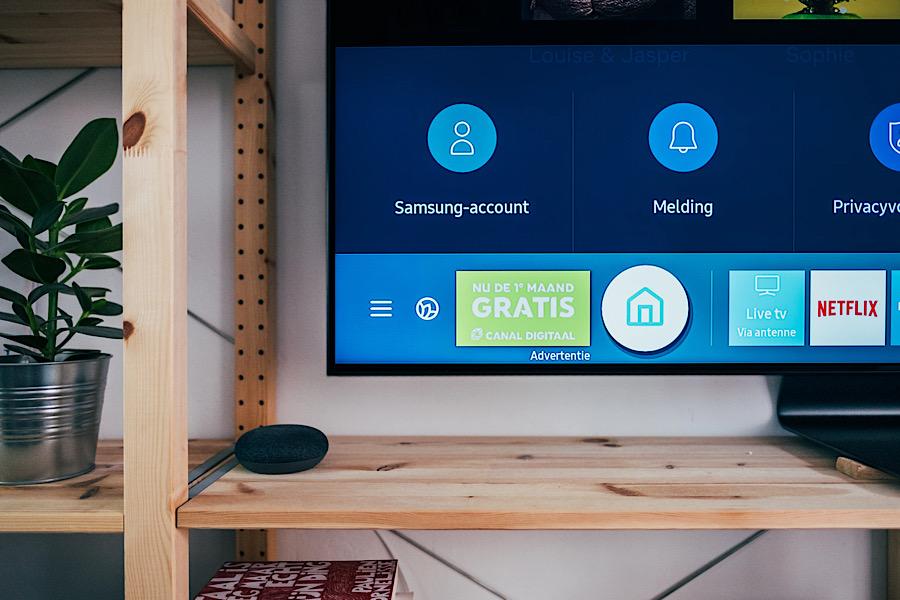
Photo by Jonas Leupe (@jonasleupe) from Unsplash