


 Meta Launches Muse Wonder AI Models, Shares Rise 3.7%
  Albertsons Seeks $9.3 Billion From Kroger Over Failed Merger
  US Suspends Microsoft, Adobe From Green Card Program
  Most Americans Oppose Election Betting on Prediction Markets, Poll Finds
  Syndax Stock Drops 15% After Axatilimab Trial Failure
  Morgan Stanley Predicts $10 Trillion RWA Market by 2030
  Elon Musk Accuses Indian Telecom Giants of Blocking Starlink Launch
  OpenAI Revenue Hits $50 Billion, Below Earlier $70 Billion Estimate
  Trump Buys Up to $25M in Meta Stock, Invests in SpaceX Debt
  Amazon Cuts More Jobs as AI Investment Expands
  Samsung, SK Hynix Shares Fall as China's CXMT Advances DRAM Technology
  Apple Supplier Luxshare Faces US Patent Probe, Sees Limited Impact
  Arthur Hayes Announces FLOP Testnet Launch Within Weeks
  Nasdaq Faces Pullback to 26,225 Despite Bullish Outlook, UBS Says
  Elon Musk Eyes Semiconductor Manufacturing Expansion With $15 Billion Terrafab Project
  Tencent Shares Fall as $5 Billion AI Bond Sale Weighed


 Add as a preferred source on Google
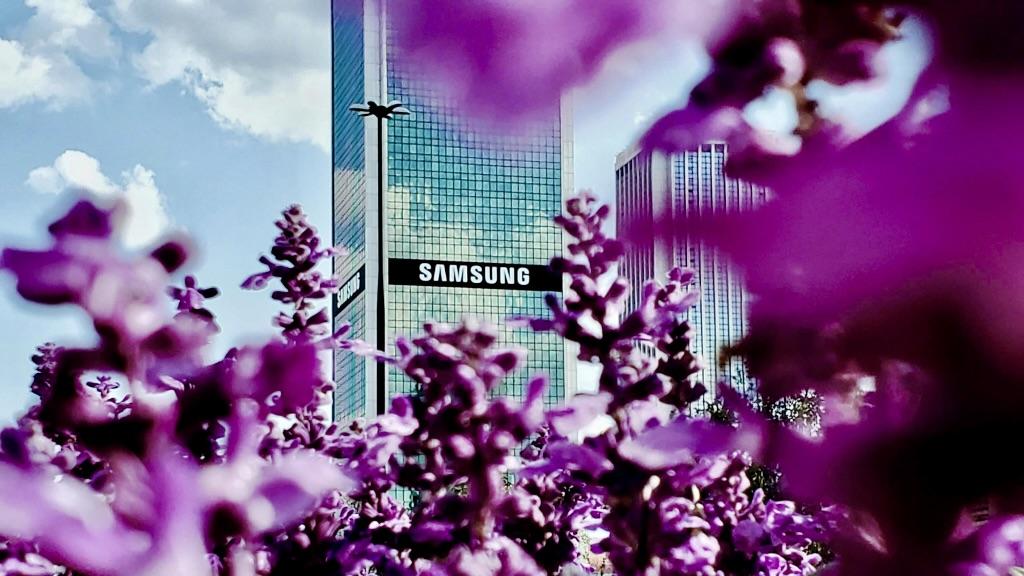
Samsung Electronics reported a 9.2 trillion won third-quarter profit, reflecting growth yet slowing against fierce competition in the AI-driven chip sector. While rivals like TSMC and SK Hynix gain from surging AI demand, Samsung’s recovery faces obstacles as smartphone and appliance sales lag.
Samsung’s AI Struggles Amid Profit Gains
While Samsung Electronics' third-quarter earnings were up year-over-year, the company's speed of recovery slowed from the previous quarter as it continues to face challenges capitalizing on the artificial intelligence boom, which has been beneficial for chip competitors such as TSMC and SK Hynix.
The world's largest manufacturer of memory chips, smartphones, and televisions predicted flat quarterly earnings growth due to modest performance in its "set" business and limited growth in its chip sector. This "set" business typically refers to smartphones, televisions, and household appliances.
Third-Quarter Profits Fall Short of Expectations
In comparison to 2.4 trillion won a year ago and 10.4 trillion won in the preceding quarter, Samsung reported an operational profit of 9.2 trillion won ($6.66 billion) for the period spanning July to September on Thursday.
The third-quarter result was somewhat higher than market estimates, but still lower than Samsung's preliminary estimate of 9.1 trillion won reported earlier this month. Early Thursday trading saw a 0.2% decline in shares, matching the 1.3% decline in the broader South Korean market.
Challenges in Advanced Chip Sales Weigh on Samsung
With delays in sales of its advanced chips to an unnamed big customer and increased supply of traditional chips from Chinese competitors, the South Korean company issued an unusual apology this month for its underwhelming earnings, Yahoo Finance reports.
While AI is a rare bright spot in the otherwise sluggish chip market, Samsung faces exposure to the weak demand for traditional chips used in PCs and smartphones due to its struggles to deliver the high-end semiconductors used in Nvidia's AI chipsets.
Mixed Results in Samsung’s Semiconductor Division
Operating profit for Samsung's semiconductor division was 3.9 trillion won in the third quarter, up from 3.8 trillion won a year before. However, this was down from 6.45 trillion won in the previous quarter due to the continued weakness of the chip market recovery.
"The demand trends experienced in the previous quarter are expected to continue," the business said, hinting at a subdued outlook for the fourth-quarter semiconductor market.
Currency Effects and Rivals Boost Competition
Expenses that were one-time, such as employee incentives, and currency effects due to a weak dollar, impacted Samsung's chip profitability.
Sales of artificial intelligence (AI) chips to industry leader Nvidia contributed to TSMC's strong third-quarter performance, while SK Hynix achieved an operating profit of 7 trillion won, a record for the company.
Widening Losses in Samsung’s Logic Chip Division
Not only does Samsung face stiff competition in its memory chip industry, but it is also having trouble in its foundry division, which creates logic chips for other customers. The logic chip division of Samsung widened its losses in the third quarter, according to analysts.
Delays in Texas Plant Development Add to Pressures
According to sources who spoke with Reuters, the company has delayed receiving ASML's high-end chipmaking equipment for its planned Texas plant as it has not yet secured significant clients for the endeavor.
Profit Decline in Samsung’s Mobile Devices Division
Operating profit for Samsung's mobile devices division fell to 2.8 trillion won in the third quarter from 3.3 trillion won in the same period last year.







