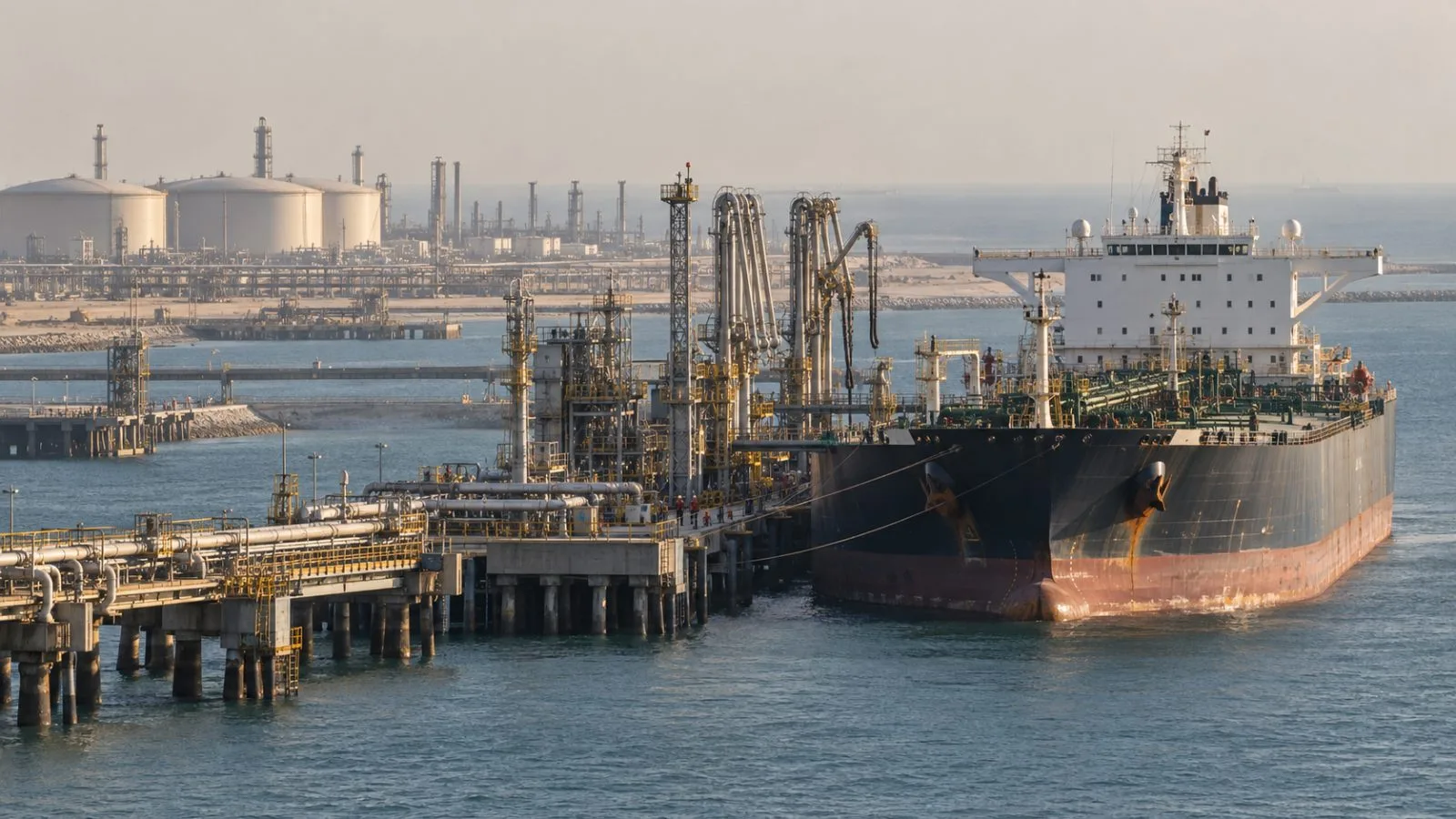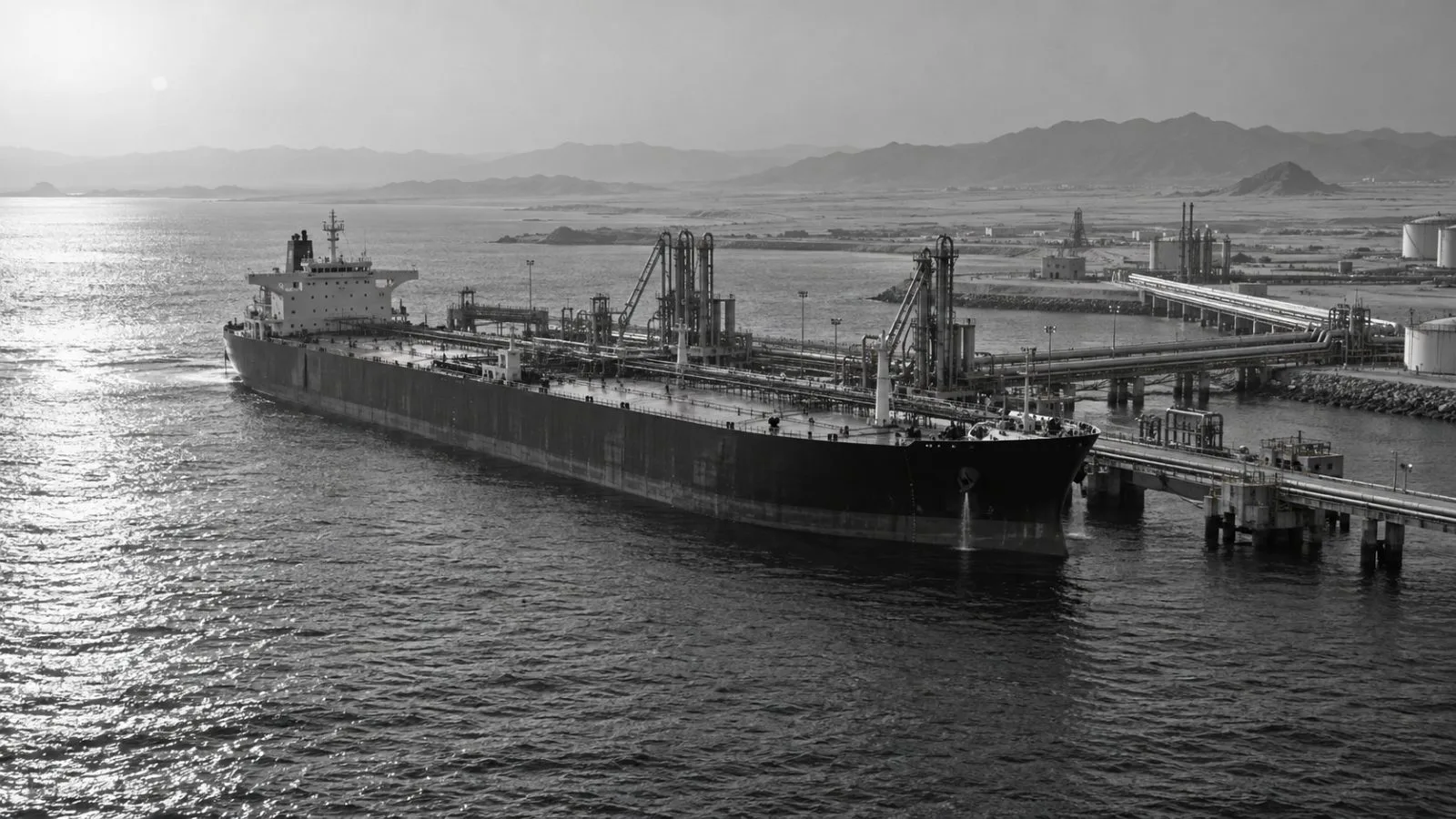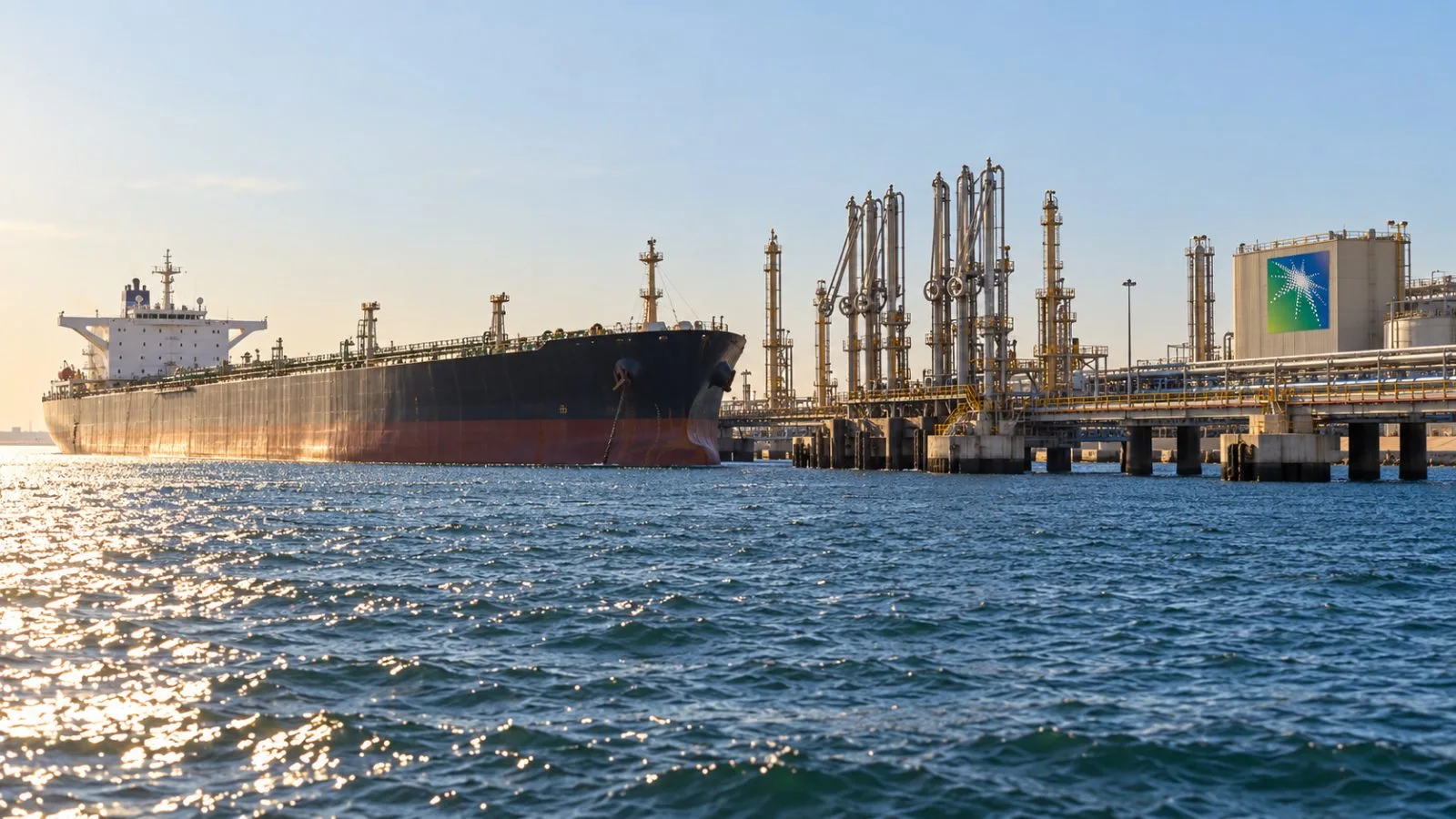
Saudi Arabia and Singapore plan to store Saudi crude at Jurong Island from the second half of 2027, an arrangement intended to reinforce Southeast Asian supply resilience and Singapore’s energy security.
The countries’ energy ministries announced the joint intent Monday, Oct. 26. Saudi Press Agency said Saudi Aramco exchanged a memorandum of understanding with Singapore’s Energy Market Authority (EMA) and JTC Corporation during Singapore International Energy Week. A speech posted by Singapore’s Ministry of Energy, Trade and Industry described the signing as still to come later that day. The exact timing was not specified in the two accounts.
Jurong Rock Caverns is the planned site. JTC lists its total capacity at 1.47 million cubic meters, or about nine million barrels, for liquids including crude and condensate; the figure covers the entire facility, and the Saudi allocation has not been announced. JTC says the cavern system is 130 meters beneath Banyan Basin and 150 meters below ground.
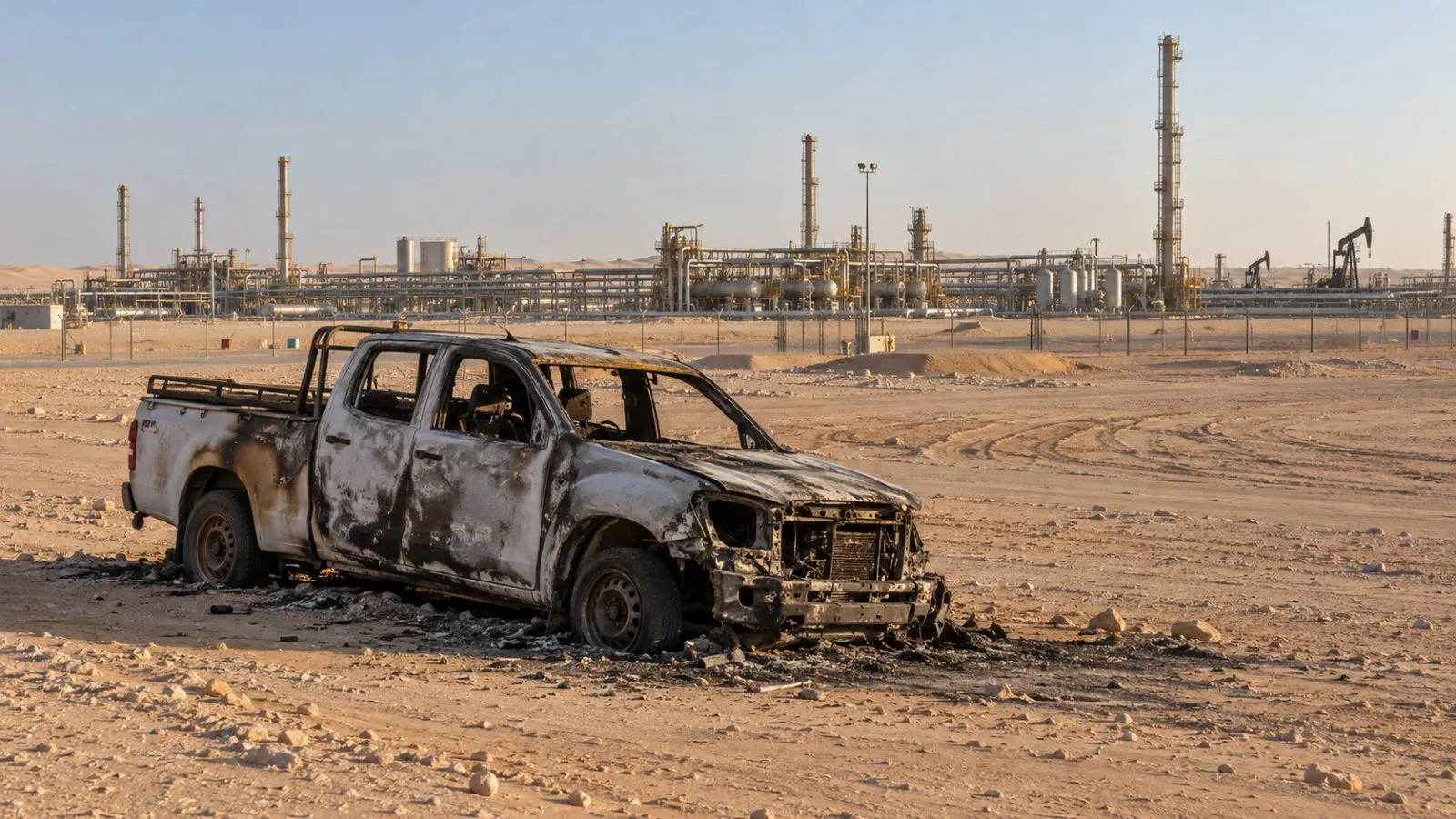
Singapore Minister for Energy, Trade and Industry (Energy and Industry) Dr. Tan See Leng said the Strait of Hormuz closure was disrupting global energy flows. He warned that countries may prioritize domestic needs when supplies tighten. Tan also cited recent Houthi attacks on a Saudi airport and energy infrastructure. EconoTimes previously reported Houthi claims of operations against Saudi oil sites and airports.
Aramco has storage arrangements elsewhere in Asia. In Okinawa, it stores crude in tanks leased from Japan Oil, Gas and Metals National Corporation. Aramco said capacity there reached 8.2 million barrels by September 2017, with Japan receiving priority to buy the crude during an unexpected shortage. The company also agreed with Korea National Oil Corporation to store 5.3 million barrels at its Ulsan facility in South Korea.
The Singapore announcement did not specify storage fees, cost allocation or whether Singapore would have priority to buy the crude during a shortage. Tan said negotiations were expected to conclude in a few months, without naming a deadline.