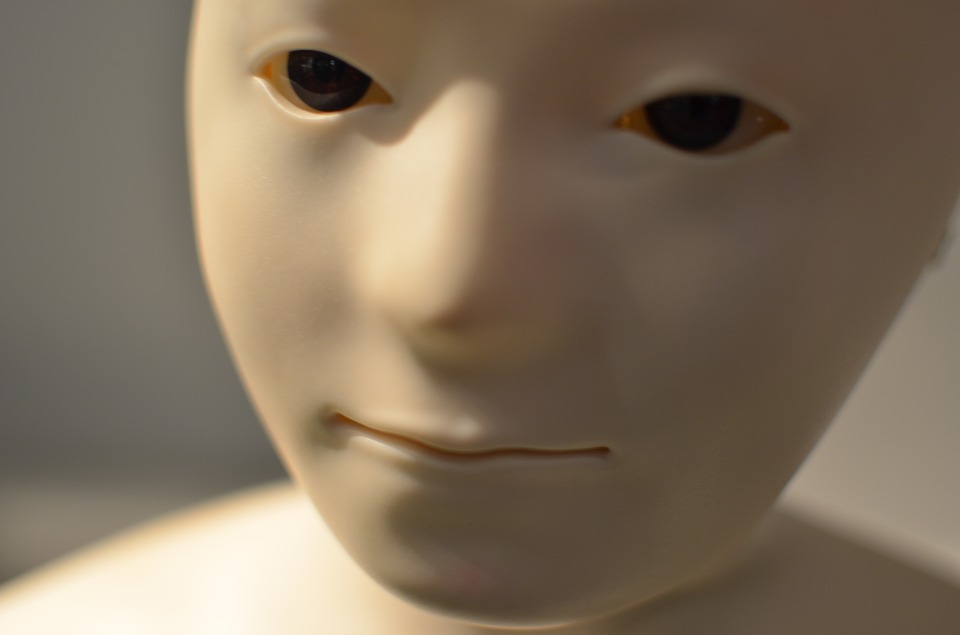
With the advancements in artificial intelligence and robotics in recent years, it was only a matter of time before scientists figured out how to give machines the ability to feel. Now, a group from Switzerland have created artificial skin that will basically allow robots to sense heat. This puts robotics much closer to creating life-like droids like those in the Terminator franchise, or more recently, the Westworld TV show.
The heat-detecting artificial skin was developed by a group called ETH Zurich and they accomplished the feat by replicating the characteristics of snake membrane that basically works like a heat detector. It’s how snakes find prey and the scientists used that in order to provide the skin with the ability to sense differences in temperature.
As to how the scientists were able to do this, one of the materials they used is pectin, Futurism reports. It’s an exceedingly common substance that is used for things like thickening jam.
With the pectin, the scientists mixed a solution that also contains calcium chloride. Once mixed together, the solution is dried up in order to form a stable, elastic material. Interestingly enough, instead of detecting shifts in electrons in order to sense the changes in temperature, the material actually targets changes in the currents of ions.
This is exactly how snakes detect heat signatures, which allows them to differentiate the varying levels of temperature changes. It’s how they don’t mistake rocks baking under the sun for mice, for example.
For those wondering why anyone would bother creating a heat-sensitive skin for robots, the researchers explained in the paper they published that it was to improve the interactions between machines and people. In the case of helper robots, for example, being able to detect variations in temperature could alert the machine that its owner has a fever or if there is a fire in the vicinity.