Machines or medicine that could completely heal open wounds in a blink of an eye has remained behind the veil of science fiction or fantasy for centuries. However, scientists recently developed a new technology that promotes healing with a push of a button. This is the kind of advancement that used to be confined on starships or comic book worlds.
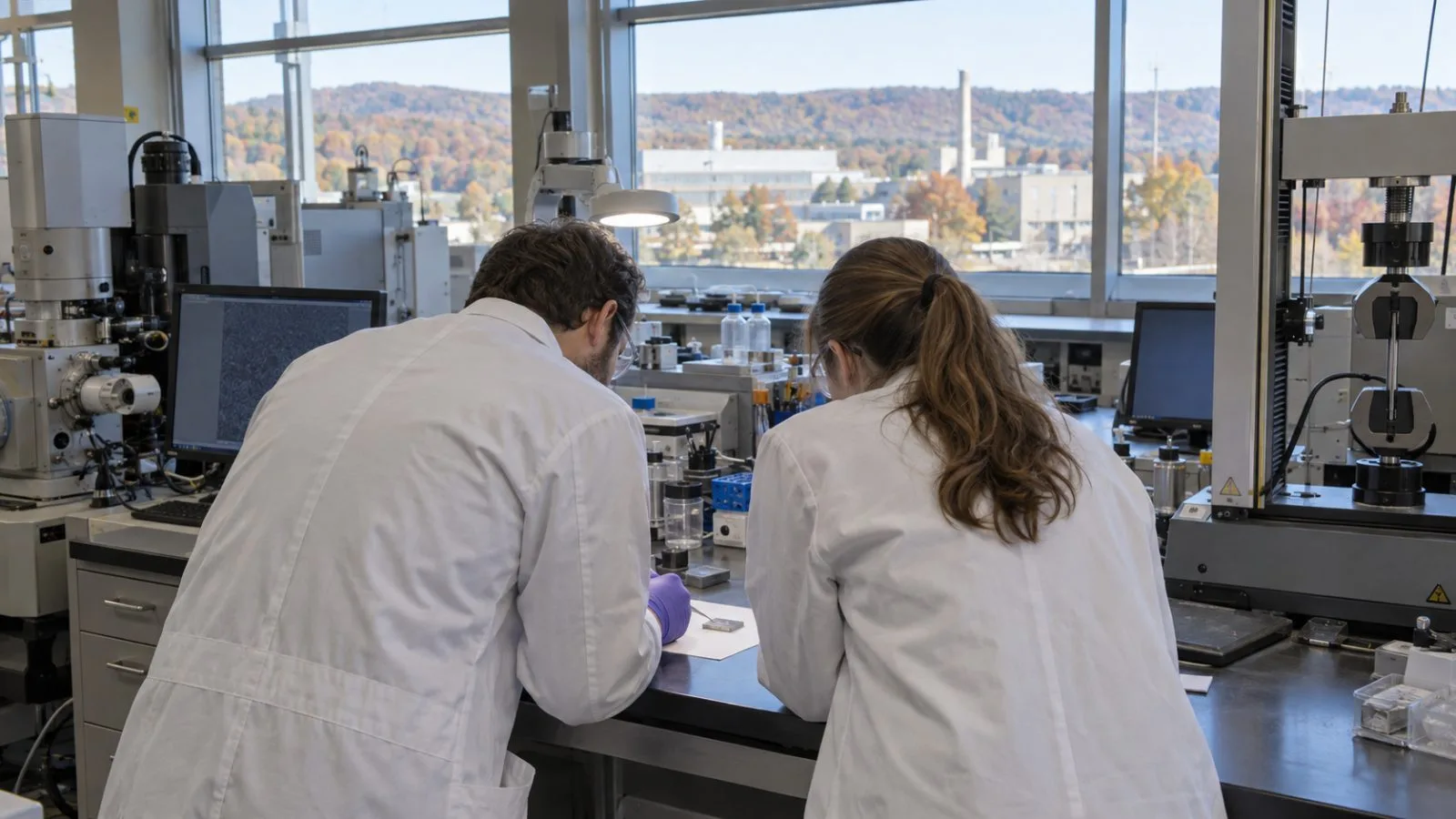
The new technology was developed by researchers at the Ohio State University and it is called Tissue Nanotransfection (TNT), Futurism reports. It basically involves using a chip that will be placed on top of the damaged tissue. From there, the researchers will push a button that will inject instructions into the skin cells of the subject, thus encouraging a rapid healing process.
Normally, the human body is quite adept at detecting tissue damage inflicted on the skin, which activates specific sensors that encourage the production of white blood cells and other types of cells that would heal the wound. What TNT does is encourages even more of this function to happen so that the process goes a lot faster.
In a press release, the researchers highlighted the huge benefits that this kind of technology would have, many of which are obvious. There’s the matter of damage to internal organs, for example, which would be risky to heal via stitching. With TNT, it only takes a touch of the chip to promote healing as one of the researchers behind the project, Chandan Sen explains.
“It takes just a fraction of a second. You simply touch the chip to the wounded area, then remove it,” Send said. “At that point, the cell reprogramming begins.”
Now, it’s worth noting that this new technology won’t be widely available just yet and it won’t exactly be used to treat patients by this time tomorrow. However, it does reveal the amazing works being done via gene therapy and what people can expect of medicine in the future.