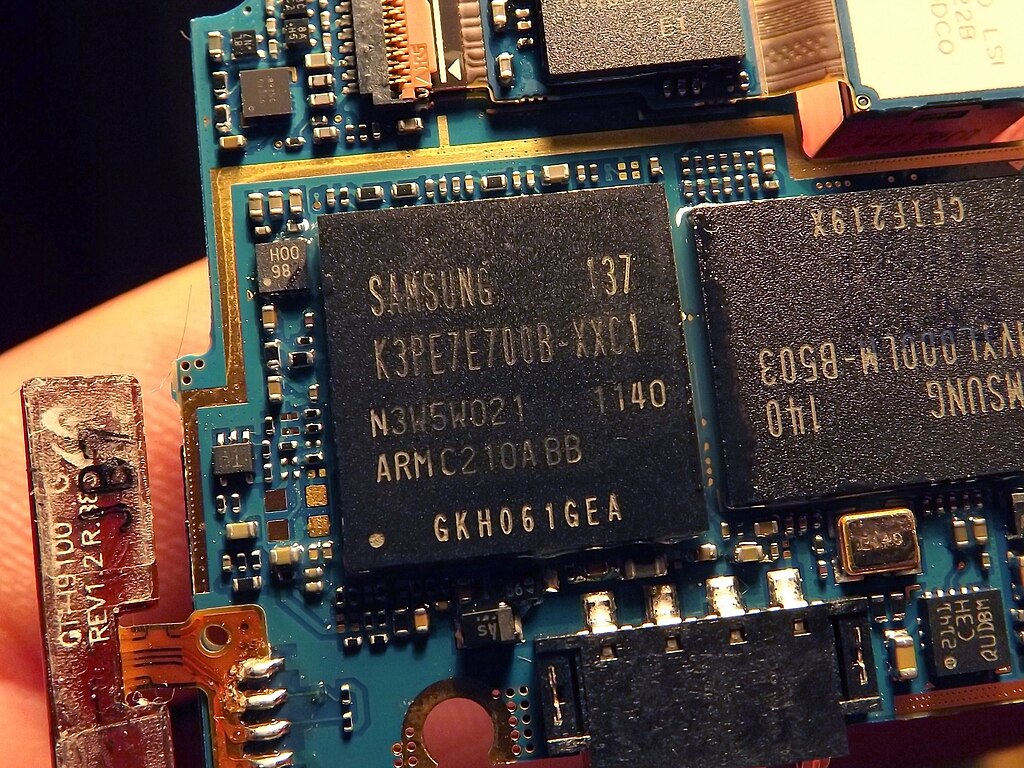
Samsung Electronics reported a better-than-expected 0.2% drop in Q1 operating profit, reaching 6.6 trillion won ($4.49 billion), beating market forecasts of 5.1 trillion won. This resilience was driven by solid memory chip sales and robust demand for its Galaxy S25 smartphones, boosted by AI features and early orders from North American buyers anticipating potential U.S. tariffs.
Analysts noted that demand for conventional and AI memory chips exceeded expectations as customers stockpiled semiconductors ahead of possible U.S. trade actions. Despite a dip in general memory prices, shipments remained strong, supported by tariff-related concerns. Samsung shares rose 2.6% following the announcement, outperforming the KOSPI’s 1.6% gain.
Samsung’s Q1 profit is nearly flat compared to 6.61 trillion won a year earlier and slightly up from 6.49 trillion won in the previous quarter. However, analysts expect a weaker Q2, with shipment declines likely as demand normalizes. Delays in acquiring clients for high-bandwidth memory (HBM) chips could also weigh on future performance.
Samsung’s foundry division, which manufactures chips for Nvidia, Qualcomm, and AMD, likely faced losses that offset some of the gains from the memory business. The company previously cited U.S. export restrictions to China—its top market—as a factor limiting AI chip sales.
While Samsung plans to begin supplying its upgraded HBM3E 12-high chips to Nvidia mid-year, executives warned of ongoing challenges and apologized in March for lagging behind in the AI chip race. The company anticipates improved performance in the second half, driven by demand from smartphones and data centers.
Samsung will release full Q1 results on April 30. Meanwhile, rivals like SK Hynix and Micron are also experiencing strong AI chip demand, although caution remains around long-term recovery trends.