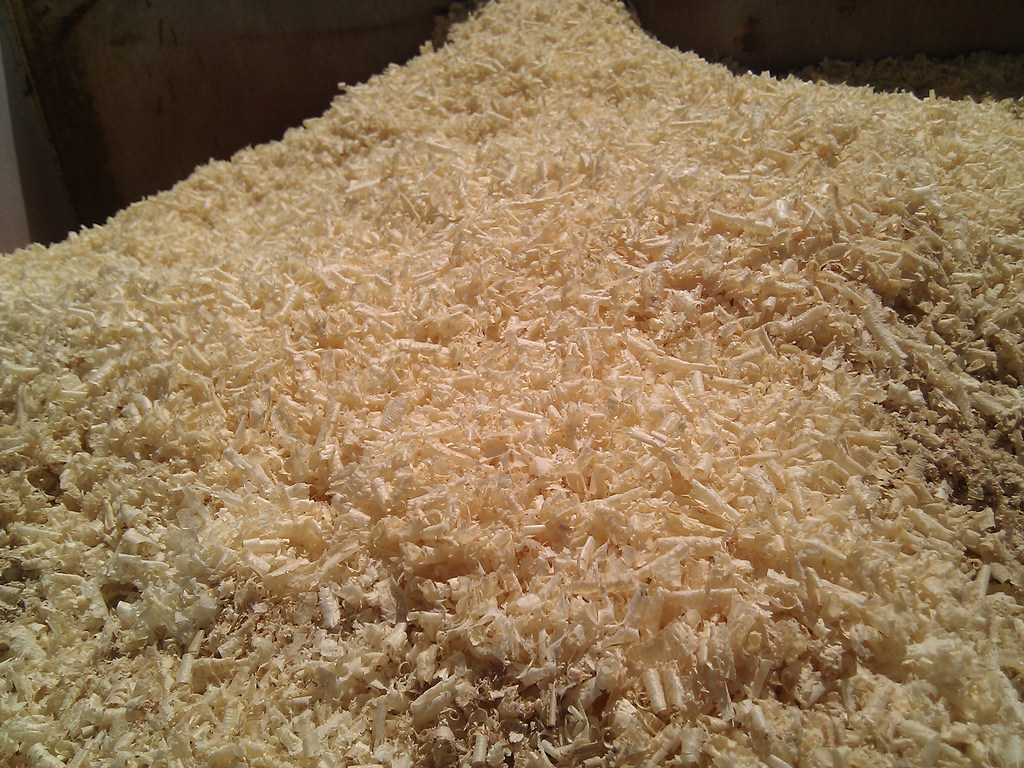
Oil spills are always a disaster, especially if they happen on or around large bodies of water. They can be a nightmare to clean up and expensive to boot. Thanks to a new method of using sawdust, however, the humble byproduct of woodcarvers everywhere is about to become the environment’s best hope against toxic oil spills.
For both amateur and professional mechanics, using sawdust to soak up spilled motor oil has been a useful practice, Phys.org reports. Scientists basically took this concept a step further by refining exactly how sawdust can do this.
Scientists at the Pacific Northwest National Laboratory, which is under the U.S. Department of Energy, managed to modify sawdust using chemical means in order to increase its sponge-like quality. They essentially made it the perfect cost-effective method of absorbing oil in ocean waters, which can be particularly troublesome in the icy Arctic seas.
According to George Bonheyo, the microbiologist heading the sawdust program, most oil-cleaning agents in the market were created to perform best at warm temperatures. This makes them problematic when used in colder waters such as off the coast of Alaska or some parts of the Atlantic Ocean. Oil companies only make the problem even worse by excavating for oil further from civilization, where wells are drying out.
“As ice retreats in the Arctic Sea, fossil fuel developers are looking north, and we need new oil spill response methods that perform well in extreme conditions,” Bonheyo said.
Now, the most obvious solution to this problem would be to not drill for oil in cold environments. However, as much as 13 percent of oil still yet to be discovered is reportedly located in the Arctic, New Atlas reports.
As ever, humans will move to where profit can be made, and that means drilling for toxic fossil fuel where they shouldn’t. In order to protect the environment, options like the oil sponge sawdust are incredibly important.