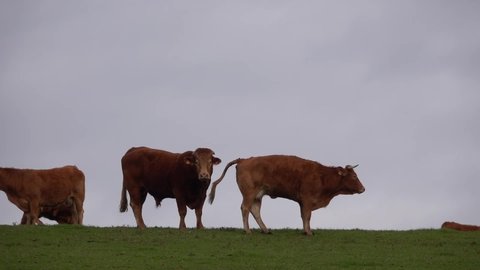
South Korea’s Ministry of Agriculture, Food, and Rural Affairs and Hyundai Steel Co. have joined hands to use livestock excrements for producing solid fuel for making iron to reduce greenhouse gas emissions.
Last year, South Korea’s livestock excrement production reached 51.2 million tons as the number of livestock continued to increase.
Over 90 percent of this excrement is turned into manure or liquified fertilizer for farm use.
However, shrinking farmlands and heavier restrictions on compost spraying make excrement processing increasingly difficult.
Additionally, making and distributing compost generates ultrafine dust like ammonia and greenhouse gases, threatening the environment.
More than 21 million tons of compost made of cow excrement are being used annually, generating over 2,728,000 tCO2-eq of greenhouse gas.

SpaceX Starship Test Flight Reaches New Heights but Ends in Setback
Wildfires ignite infection risks, by weakening the body’s immune defences and spreading bugs in smoke
NASA Faces Major Workforce Reduction as 20% of Employees Prepare to Leave
FDA Adds Fatal Risk Warning to J&J and Legend Biotech’s Carvykti Cancer Therapy
U.S. Futures Steady as Rate-Cut Bets Rise on Soft Labor Data
BOJ Faces Pressure for Clarity, but Neutral Rate Estimates Likely to Stay Vague
IMF Deputy Dan Katz Visits China as Key Economic Review Nears
European Oil & Gas Stocks Face 2026 With Cautious Outlook Amid Valuation Pressure
Visa to Move European Headquarters to London’s Canary Wharf
Wikipedia Pushes for AI Licensing Deals as Jimmy Wales Calls for Fair Compensation
Airbus Faces Pressure After November Deliveries Dip Amid Industrial Setback
NASA Astronauts Wilmore and Williams Recover After Boeing Starliner Delay
Asian Markets Mixed as Fed Rate Cut Bets Grow and Japan’s Nikkei Leads Gains 


