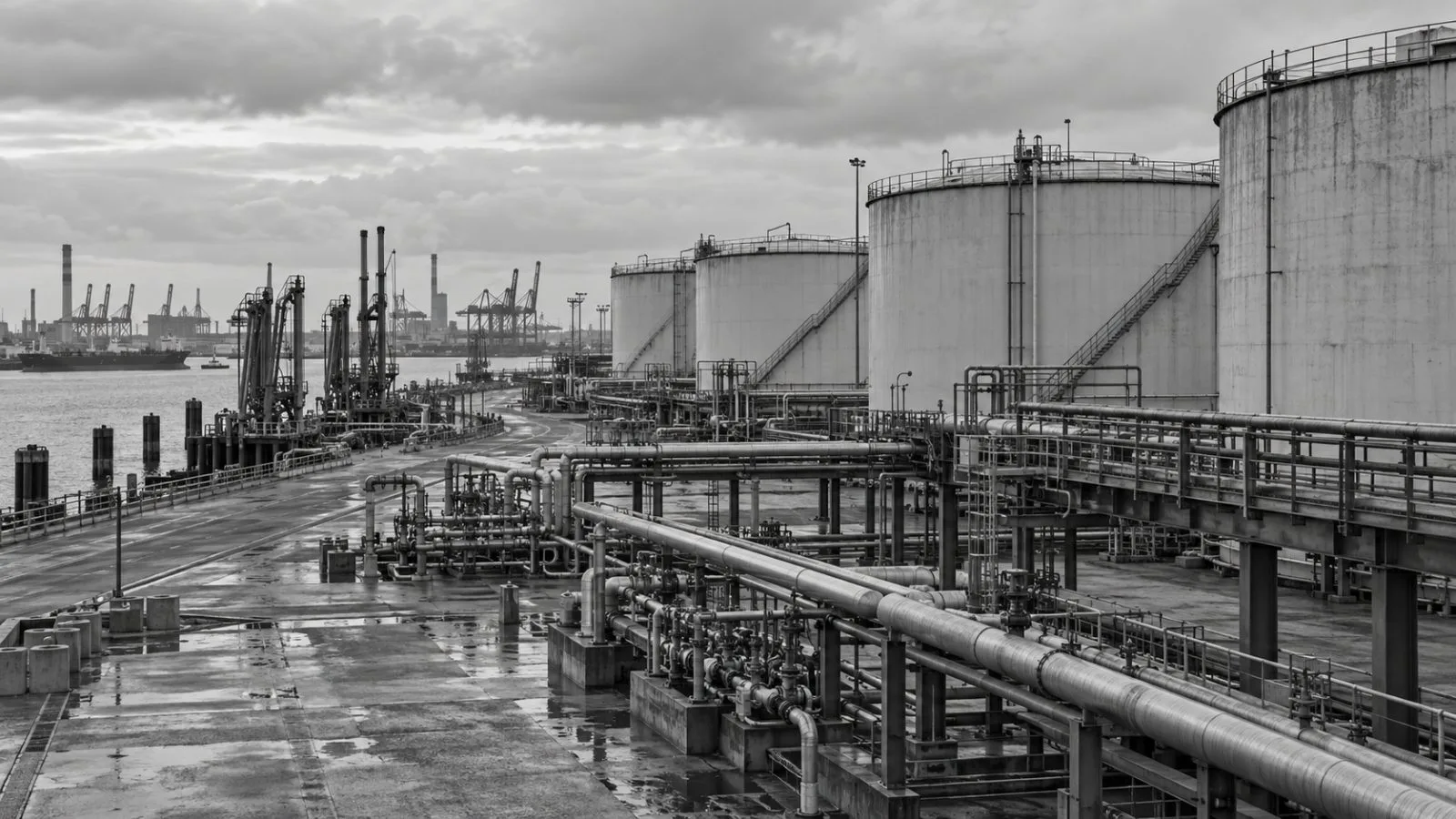
The International Energy Agency (IEA) says a September rise in global oil output has not reversed the diesel squeeze, with gasoil supply projected below demand in the fourth quarter and inventories still deeply depleted.
The IEA put September world output at 102.3 million barrels per day, a 2.5 million barrels per day increase from August; Gulf producers led the gain. At month’s end, observed inventories remained 509 million barrels below pre-war levels. On-land stocks had fallen to their lowest level since at least 2016.
Gasoil exports averaged 4.7 million barrels a day over the first nine months of 2026, 10% below the year-earlier level. Preliminary trade data cited by the IEA put September gasoil exports nearly 700,000 barrels a day below September 2025. Wholesale diesel reached record highs of about $220 a barrel in Europe and the United States that month; Singapore prices topped $200 a barrel in mid-September.
The IEA estimated that disruptions to refined-product supply cut global diesel and gasoil availability by 1.5 million barrels a day year over year in the second quarter and 1.7 million in the third. It tied weaker refinery output in Asia to reduced crude flows through the Strait of Hormuz. Damage at Russian refineries also constrained gasoil production and exports. The agency said replenishing lost inventories was unlikely before the second half of 2027.
Strong product prices also supported refining margins. Shell’s Oct. 7 update put its indicative margin at $42 a barrel for the third quarter, up from $24 in the second quarter; the figure is not a reported profit measure. The IEA said European diesel cracks fell from $100 a barrel to nearly $60 by early October as freight and crude delivery costs rose.
The IEA said diesel prices were pushing up goods costs and weighing on real incomes, economic activity and inflation. It forecast global oil demand would fall by 2.6 million barrels a day in 2026, to 102.4 million, citing high prices and a weaker economic outlook in some countries. The U.S. Energy Information Administration forecast retail diesel would average $5.19 a gallon in 2026 and $4.49 in 2027, and raised its fourth-quarter Brent forecast to $105 a barrel.
G7 leaders said a coordinated release through the IEA would total 100 million barrels over four months, counting commitments already fulfilled. The plan places substantial diesel volumes near the start of the period. On Oct. 11, IEA Executive Director Fatih Birol urged member governments to complete any outstanding March releases with diesel prioritized, then assess whether separate additional releases were warranted.
Seven OPEC+ countries kept their September required production levels for November. Their next meeting is scheduled for Nov. 1, followed by the U.S. Energy Information Administration’s next Short-Term Energy Outlook on Nov. 10.