Seven U.S. states have enacted laws since 2025 addressing transnational repression, adding criminal penalties and reporting duties intended to protect people targeted across borders.
Texas, Nebraska and Arizona enacted measures in 2025. Kansas, Louisiana, Tennessee and Utah followed in 2026. Their approaches differ: some increase penalties for specified crimes involving the foreign-agent connections and intent defined in their laws, while others assign duties to police or universities.
Freedom House describes transnational repression as efforts by governments to suppress dissent among diaspora and exile communities. Its database records 1,375 direct physical incidents in 107 host countries from 2014 through 2025, involving 54 origin states.
Texas makes it a second-degree felony for an agent of a foreign government or foreign terrorist organization to carry out the acts specified in its law to enforce foreign law without U.S. or state approval. The measure took effect Sept. 1, 2025. Nebraska raises the penalty classification for certain offenses when prosecutors prove the required intent and foreign-agent connection beyond a reasonable doubt.
Arizona adds sentencing penalties for certain crimes and requires specialized police training. Its law says the training may not promote targeting people because of their political or religious beliefs. Louisiana adds prison time for certain noncapital felonies involving transnational repression. Tennessee’s measure took effect July 1, 2026.
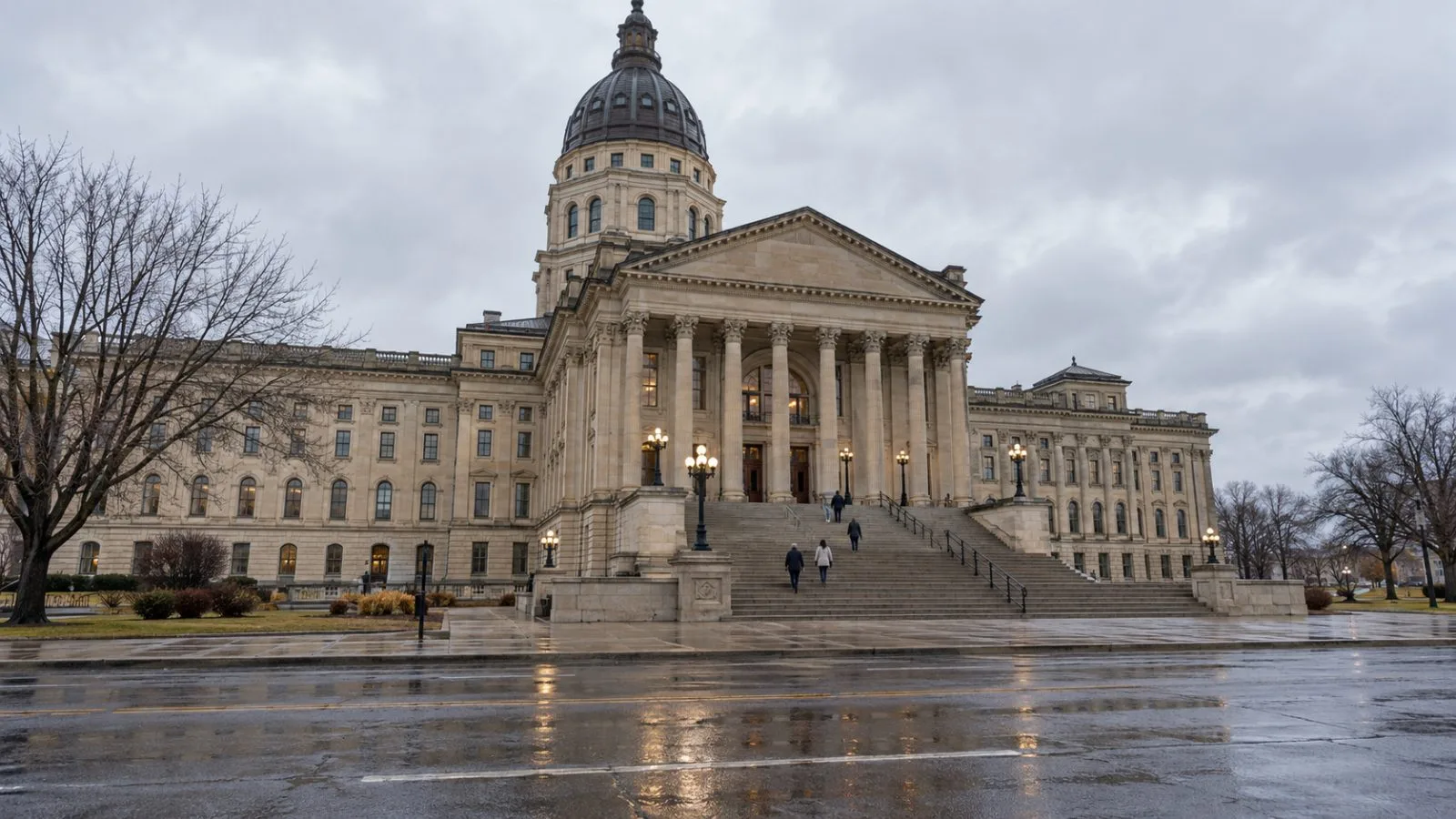
Kansas assigns the Kansas Bureau of Investigation (KBI) responsibility for multilingual ways to report suspected transnational repression. The University of Kansas and Kansas State University must allow complaints to be made directly to university liaisons. Utah requires higher-education institutions to inform international students about transnational repression and how to report it.
At a June 25, 2026, hearing of the U.S. House Select Committee on the Chinese Communist Party about Chinese economic espionage and subnational influence, John C. Yang, president and executive director of Asian Americans Advancing Justice | AAJC, warned against treating Chinese and other Asian Americans as suspects based on ethnicity. His warning addressed foreign-influence enforcement broadly, rather than these seven laws.
The KBI must develop or adopt training on recognizing and responding to transnational repression by July 1, 2027.