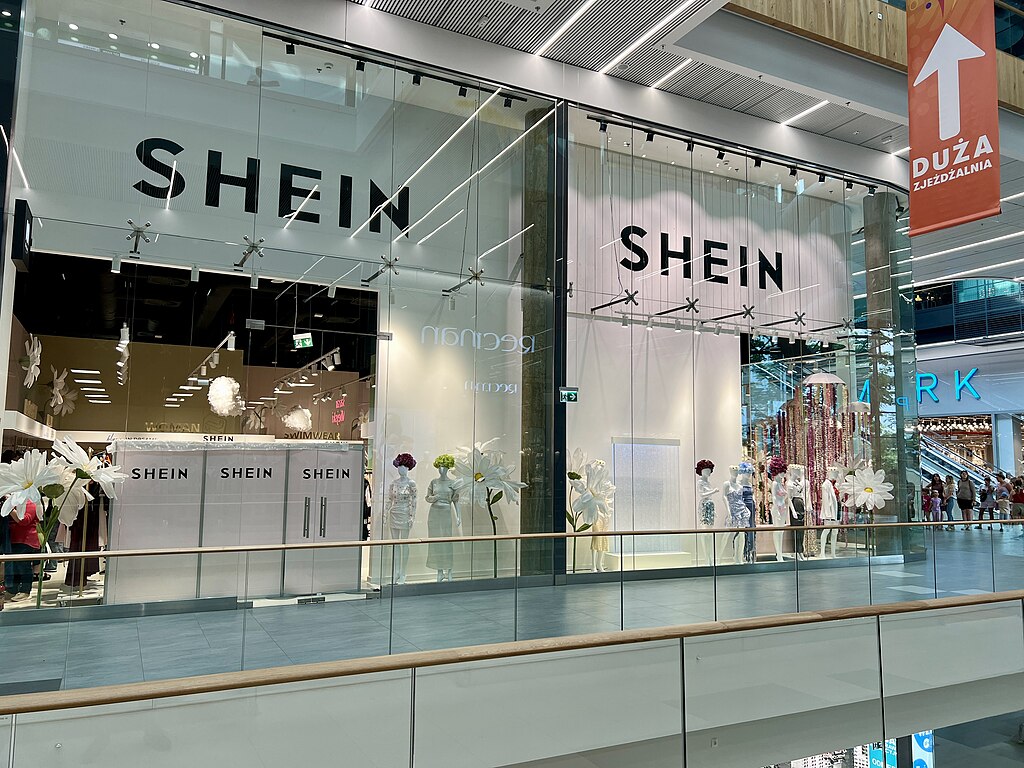
Shein Global shares dropped sharply during their Hong Kong stock market debut on Tuesday, highlighting investor concerns over slowing growth, rising competition and tougher global trade rules affecting the fast-fashion giant.
Shein shares fell about 9% to HK$44.18 after touching HK$43.72, well below the HK$48.56 IPO price. The Hang Seng Index declined 0.7% during the session.
The weak performance was particularly notable because Shein offered investors only around 6.6% of its enlarged share capital. A limited public float can typically support newly listed shares through scarcity, but the decline suggested investors remained cautious about Shein’s valuation and long-term growth prospects.
The Hong Kong IPO raised HK$13.6 billion ($1.7 billion), valuing the Singapore-based, Chinese-founded retailer at approximately $26.5 billion. That is substantially below Shein’s nearly $100 billion valuation at its 2022 peak during the e-commerce boom.
Shein’s financial performance has also weakened. Revenue growth slowed from 41.1% in 2023 to 20.7% in 2024 and roughly 8% in 2025. Growth declined further to just 1.1% in the first quarter of 2026, when the company recorded a $99 million loss compared with a $395 million profit a year earlier.
Changes to international trade rules are adding pressure. The U.S. removal of the de minimis exemption for low-value imports and new European Union charges on inexpensive parcels threaten a business model heavily dependent on shipping low-cost products directly to consumers.
Meanwhile, Shein faces increasing competition from Temu and AliExpress. The company is responding by expanding its third-party marketplace, moving beyond fashion and pursuing acquisitions, including Everlane and Missguided.
Shein said about 80% of its IPO proceeds will support technology investments, global expansion and brand development. However, its four co-founders are expected to retain approximately 90% of voting rights after the listing.
Investor caution was visible even before Tuesday’s debut, with Shein shares falling more than 10% in grey-market trading on Monday. The early weakness indicates that investors remain uncertain whether Shein can revive growth while navigating higher costs, intense competition and tighter global trade restrictions.