


 Yen Sinks as BOJ Rate Hike Fails to Impress Markets
  Fed’s Williams Signals One More Rate Hike Before Year-End
  India Manufacturing Growth Hits Seven-Month High in September
  Dollar Eases Near Two-Month High as Yen Rebounds
  South Korea Exports Set for 16th Monthly Gain on AI Chip Demand
  Asian Currencies Mixed as Yen Weakens, RBA Hike Looms
  ECB May Stop Rate Hikes After December, Capital Economics Says
  Asian Stocks Rise as Bond Yields Ease Ahead of U.S. Inflation Data
  Gold Rebounds as Oil Falls and Treasury Rout Eases
  US Dollar Hits Two-Month High as Aussie, Pound Slide
  Gold Plunges 4% as Treasury Yields Surge and Fed Rate Hike Bets Rise
  Fed’s Hammack Says Bond Yield Surge Is Not Driven by Inflation Fears


 Add as a preferred source on Google
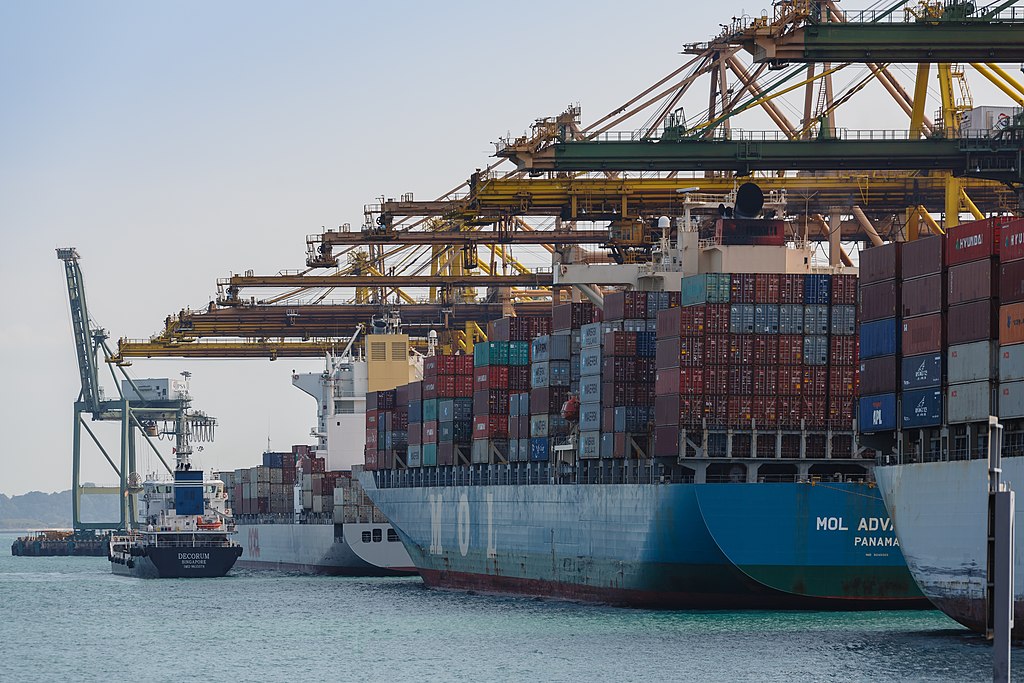
Economists remain divided on whether the Monetary Authority of Singapore (MAS) will ease monetary policy at its upcoming review or maintain current settings. A Reuters poll of 12 analysts revealed an even split: six predict MAS will loosen its currency-based policy, while the other half expect no change.
Singapore's inflation and robust 2024 economic growth at 4% have fueled speculation. MAS has held policy steady since a tightening in October 2022, the fifth consecutive adjustment then, citing broader growth concerns. The central bank last eased in March 2020 during the global COVID-19 downturn.
MAS manages policy via the Singapore dollar nominal effective exchange rate (S$NEER), adjusting its slope, midpoint, and band width. Maybank economist Chua Hak Bin expects a gentler appreciation in the slope due to a softer inflation outlook. Core and headline inflation, now below 2% from a 5.5% peak in early 2023, are forecasted to decline further in 2025.
Bank of America analysts predict no immediate changes but anticipate easing in April when global cost trends and Singapore’s budget impact become clearer. Standard Chartered economist Jonathan Koh and BMI’s Lee Yen Nee suggest MAS will likely hold policy steady to assess potential ripple effects from U.S. President Donald Trump’s second-term policies, which may influence inflation.
Globally, central banks favor cautious adjustments. While the Federal Reserve recently cut rates, it is expected to hold policy amid inflation concerns. Similarly, the European Central Bank has adopted a measured approach to further reductions.
As a trade-dependent economy, Singapore’s GDP forecast for 2025 stands at 1.0%-3.0%. MAS’s decision will signal its outlook amid global uncertainties.







