


 Most Americans Oppose Election Betting on Prediction Markets, Poll Finds
  Zelenskiy Seeks New US Talks to Revive Ukraine-Russia Peace Negotiations
  Djibouti Migrant Boat Capsizes, Killing 139 and Leaving 84 Missing
  MI5 Warns of Rising Iran, Russia Threats and AI Bioweapon Risks
  Trump Warns Houthis Over Attacks, Considers Erdogan Intervention
  North Korea Fires Ballistic Missiles as Tensions With South Korea Escalate
  Pakistan Declares Emergency in Khyber Pakhtunkhwa, Suspends Imran Khan’s PTI Government
  US Senate Midterms 2026: Key Races That Could Flip Control
  US Authorities Raid Ilhan Omar’s Home Amid Immigration Fraud Probe
  Panama Declares Emergency After 7.7 Earthquake Triggers 200 Aftershocks
  Trump Plans White House Shake-Up of Key AI Safety Agency
  Zelenskiy Says Ukraine Received No Warning Before Russian Missile Attack
  US Condemns China Sanctions on Taiwan Allies Belize and Paraguay
  European Auto Stocks Rise as EU-China Trade Deal Targets Hybrid Imports
  US Supreme Court Denies Release of Anti-ICE Activist Kyle Wagner
  NATO Commander Warns Russia of Devastating Response to Attack


 Add as a preferred source on Google
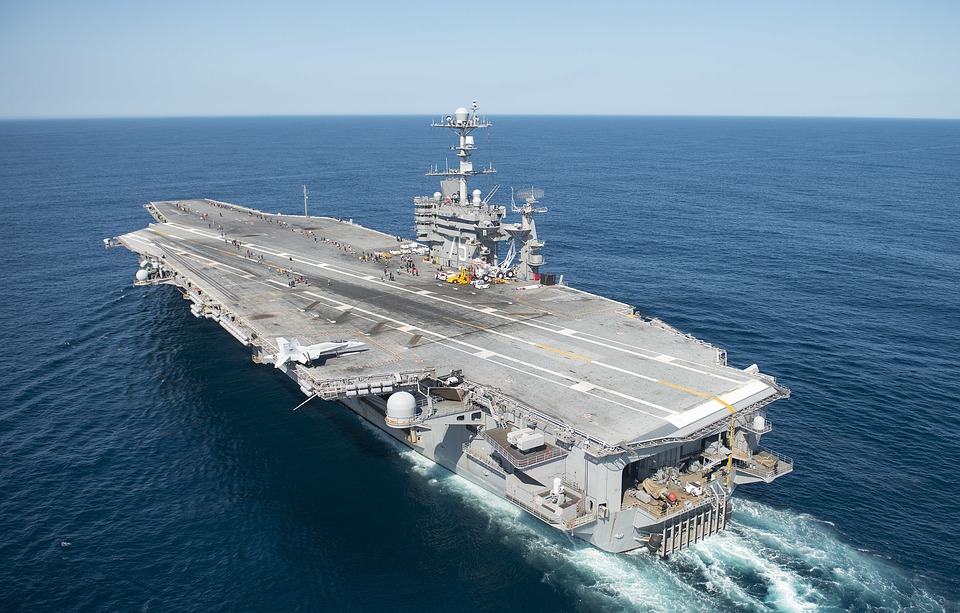
Tensions remain high in the South China Sea, especially as the conflict over Taiwan continues. In what appears to be a message to allies in the region, the US has deployed its nuclear-capable warship into the waters.
Over the weekend, the US deployed the USS Nevada, a submarine capable of carrying up to 20 ballistic missiles and nuclear warheads, which sailed into the port of Guam. This marks the first time such a submarine was called into the US territory since 2016 and is the second announced visit in over 40 years.
The statement from the US Navy said the visit aimed to strengthen cooperation between the US and its allies while “demonstrating US capability, flexibility, readiness, and continuing commitment to Indo-Pacific regional security and stability.”
This comes at a time where relations between the US and China have experienced further strain over Taiwan. The US has supported the island nation’s sovereignty while China has claimed Taiwan as part of the mainland. China has also been repeatedly engaging in a pressure campaign against the democratically governed island through multiple incursions into its airspace.
In recent months, there have been fears of a military conflict in the region. The US and Japan drafted an emergency military plan in anticipation of a possible war between China and Taiwan back in December. The Pentagon had also warned that China was likely preparing to invade the island nation.
With Taiwan looking to expand its relations, China has lashed out at other countries, especially the European Union, over its trade deal with the island nation. China’s ambassador to France Lu Shaye warned that Beijing has not ruled out an attempt to reunify Taiwan with the mainland through military force.
“We are opposed to any country or group of countries with diplomatic relations with us having official relations with the authorities of Taiwan,” said Lu.
“We are against the Taiwanese authorities undertaking actions that undermine the relations between the EU and China,” Lu went on to say, when pressed further on whether the alliance establishing trade relations with Taiwan would be crossing a red line with China. However, the ambassador noted that Beijing was also seeking a “peaceful reunification.”







