


 US Delegation Visits Myanmar, Secures Release of American Adam Castillo
  Trump Bans CNN, MS NOW and Politico From White House
  France Urges Faster AI Push Despite Safety Risks
  SEC Seeks ISS Client Voting Records in Proxy Adviser Probe
  US Allies Fear Trump Could Soften Taiwan Stance in Xi Talks
  FDA Names Permanent Drug and Biologics Center Chiefs
  Australia Defends Social Media Algorithm Law Amid US Concerns
  Venezuela Nears Deal to Move $4 Billion in Gold to New York Fed
  Trump Says US Army Base in Poland Talks Make Progress
  FAA Allows Boeing to Sell 35 More 777F Freighters Beyond 2028
  Australia Tightens Student Visa Rules, Targets Migration Cut by 2028
  Saudi Arabia Shuts East-West Oil Pipeline After Drone Attack
  Who should own the knowledge that underpins AI technology?
  Synthetic data could ease people’s concerns about privacy breaches. But who gets to create it?
  UN Allows Mahmoud Abbas Video Address After US Visa Denial
  Mexico Pushes for US Trade Deal Before Midterms


 Add as a preferred source on Google
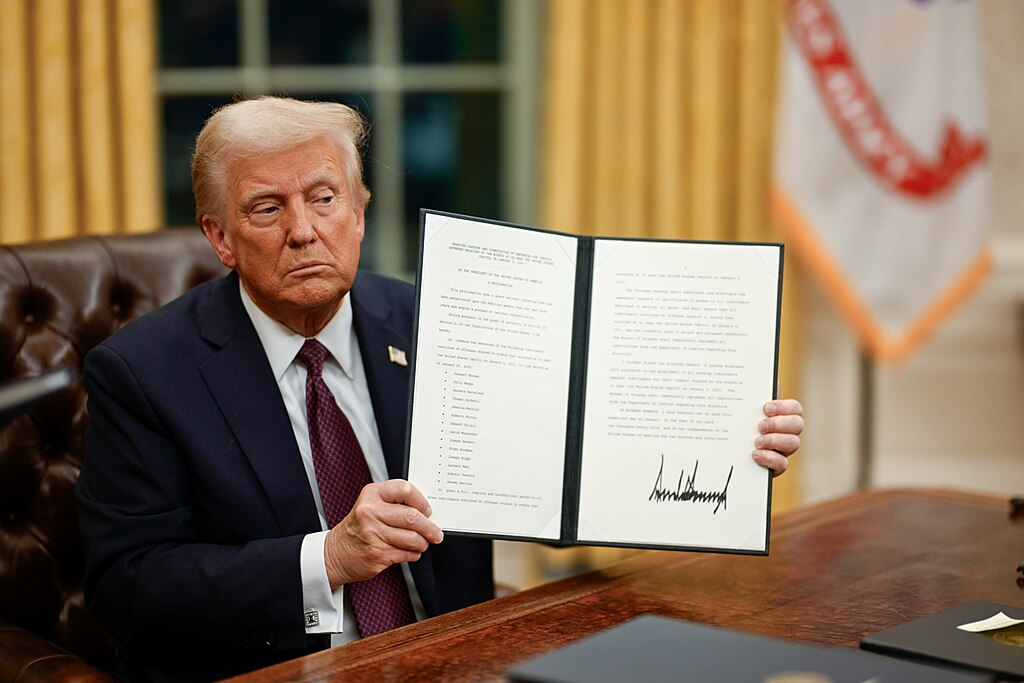
U.S. President Donald Trump signed an executive order on April 9 aimed at revitalizing American shipbuilding and curbing China’s growing control over the global shipping industry. The order proposes significant investments in U.S. shipbuilding and infrastructure while targeting Chinese-linked maritime activities.
The directive instructs the U.S. Trade Representative (USTR) to finalize a plan by April 17 that could impose million-dollar port docking fees on ships associated with Chinese-built or Chinese-flagged fleets. Tariffs may also target ship-to-shore cranes and other cargo handling equipment made in China or by companies under Chinese influence. Lawmakers from both parties, including Senators Mark Kelly and Todd Young, expressed support and plan to reintroduce bipartisan legislation to strengthen U.S. maritime capacity.
The USTR, led by Jamieson Greer, emphasized that not all proposed measures will be implemented, noting ongoing evaluation based on public feedback to minimize supply chain disruption and inflation. The order also directs the Department of Homeland Security to enforce harbor maintenance fee collection and stop fee evasion via Canadian and Mexican ports.
Trump stressed the urgent need to rebuild domestic shipbuilding capabilities, citing that the U.S. now produces less than 1% of global commercial ships, compared to China’s 50%. The executive order establishes a Maritime Security Trust Fund to ensure sustainable funding for the sector, possibly sourced from new tariffs, fines, and fees. It also includes incentives for private investment in shipyard upgrades, dry docks, and the domestic manufacturing of ship components.
With the U.S. shipbuilding industry struggling since its peak in the 1970s, the new policy aims to regain competitiveness and secure national maritime security, while encouraging allied nations to adopt similar strategies.







