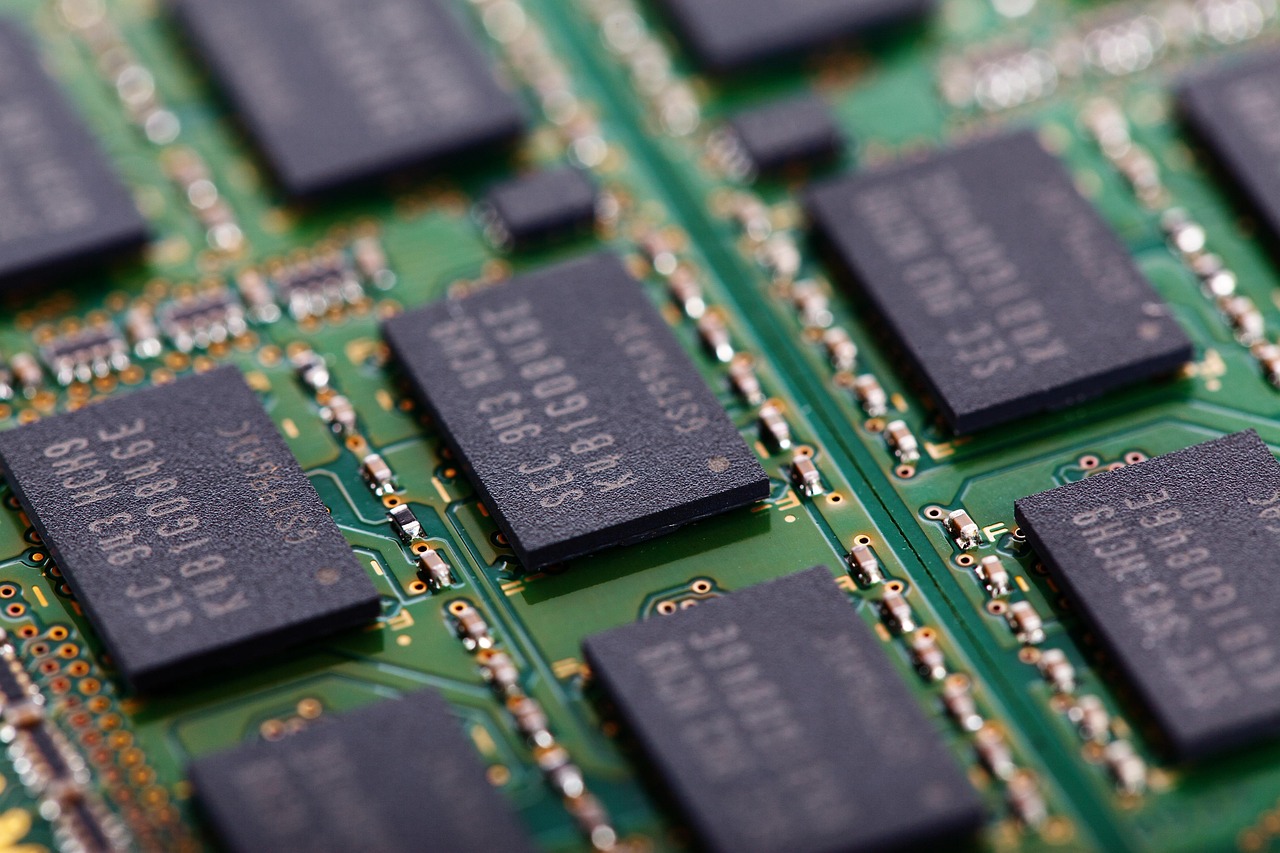
South Korea’s exports posted stronger-than-expected growth in July, fueled by robust global demand for semiconductors and AI-related technology, reinforcing the country’s position as a major beneficiary of the artificial intelligence boom.
Preliminary trade data released on Saturday showed exports from Asia’s fourth-largest economy climbed 62.8% year over year to $98.89 billion, surpassing the 59.0% increase forecast in a Reuters poll of economists. While the pace slowed from June’s 70.7% surge—the fastest since 1978—it still marked the second-strongest annual gain since the current growth streak began in June 2025.
Semiconductor exports soared 179%, supported by higher memory chip prices despite concerns surrounding Apple’s possible use of Chinese memory chips and China’s latest AI developments, according to South Korea’s trade ministry. Computer exports also surged 404%, reflecting sustained investment in AI infrastructure by major U.S. technology companies.
The strong trade data comes after a turbulent month for South Korean markets. The benchmark KOSPI index plunged 22% in July, its sharpest decline since 2008, amid concerns over AI-related valuations. However, the index rebounded sharply on Friday as renewed investor enthusiasm lifted global semiconductor stocks.
The upbeat export figures follow strong earnings from South Korea’s leading chipmakers. Earlier this week, Samsung Electronics reported chip profits that increased more than 250-fold and unveiled multi-year supply agreements with major data center operators, warning that global semiconductor shortages could persist through 2028. Rival SK Hynix also posted solid quarterly earnings, although results failed to meet elevated investor expectations, prompting concerns about the pace of AI spending among large technology firms.
By destination, exports to China jumped 96%, while shipments to the United States rose 69%. Exports to the Middle East increased 25%, ending five consecutive months of declines following disruptions linked to the Iran conflict.
Meanwhile, imports climbed 26.5% year over year to $68.56 billion, closely matching economists’ expectations of a 26.6% increase. South Korea recorded a $30.32 billion trade surplus in July, easing from the record $36.09 billionsurplus reported in June but remaining historically strong.