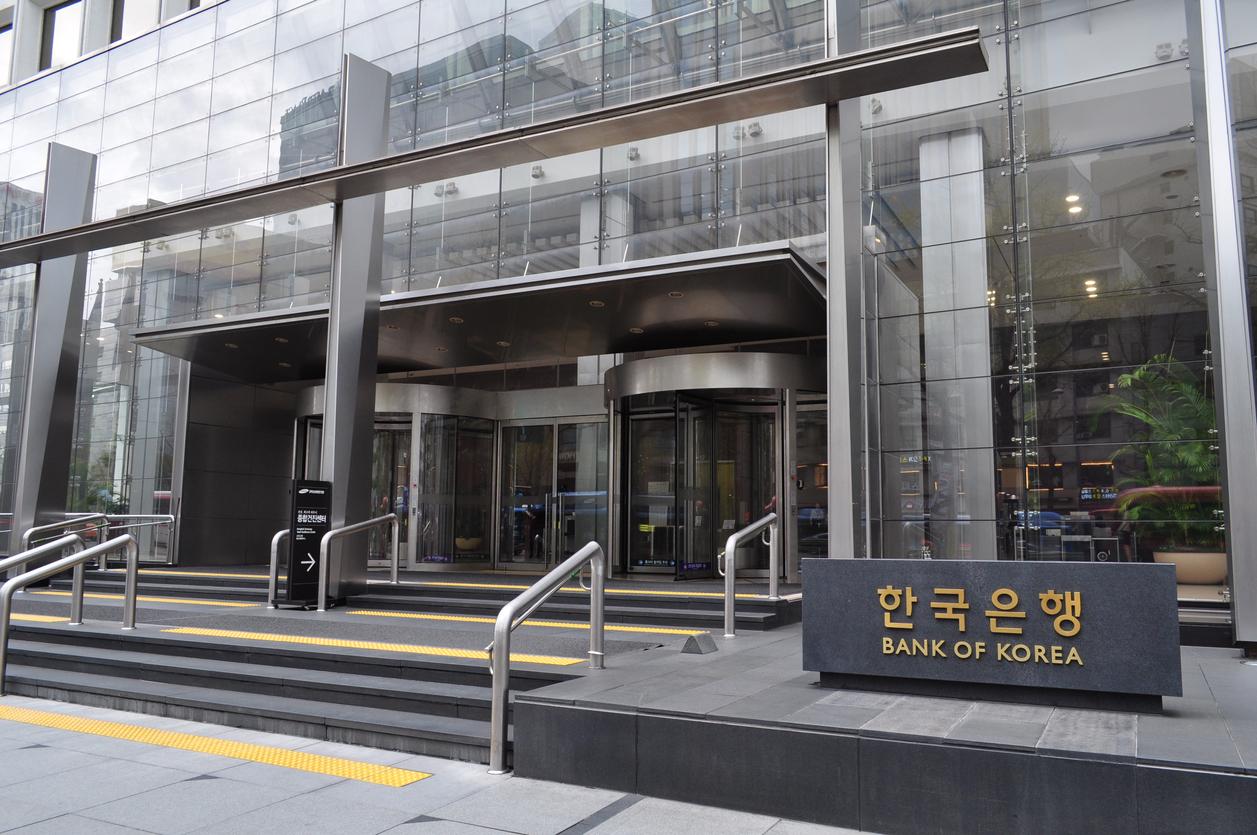
South Korea’s producer prices returned to growth in August, as a heat wave pushed up agricultural goods prices and added fresh pressure to production costs, preliminary data from the Bank of Korea showed Friday.
The country’s producer price index (PPI) increased 0.2% in August from the previous month, reversing a 0.4% decline recorded in July. On an annual basis, producer prices climbed 7.9% compared with August 2025.
Agricultural, forestry and marine product prices were the main driver of the monthly increase. The category jumped 7.4% from July, with its index reaching 117.49 as unusually hot weather affected agricultural supply and prices.
Fresh food prices also surged 7.4% month-on-month. Despite the sharp August increase, fresh food prices remained 5.2% lower compared with the same period a year earlier.
Price movements elsewhere were relatively modest. Manufacturing product prices edged 0.1% higher from July, while the services price index was unchanged at 117.13.
Energy costs also increased during the month. South Korea’s energy price index rose 1.0% from July to 183.89 and was 11.1% higher than in August 2025, highlighting continued annual pressure from energy-related costs.
Other measures, however, showed declines. The domestic supply price index, which reflects prices of domestically supplied goods including imports, fell 1.3% month-on-month to 134.72 in August. The total output price index also declined 1.2% to 141.13.
Underlying producer price pressures were more stable when volatile categories were removed. South Korea’s producer price index excluding food and energy was unchanged from July.
The latest Bank of Korea data indicate that August’s rebound in producer prices was largely concentrated in agriculture and energy rather than reflecting broad-based monthly price increases. Producer prices are closely monitored because changes in businesses’ input costs can eventually influence consumer prices and South Korea’s broader inflation outlook.