South Korea is moving to secure favorable treatment from the United States on tariffs affecting memory chip imports, following recent trade actions announced by the U.S. government. A spokesperson from South Korea’s presidential office said during a televised briefing on Sunday that Seoul will actively seek advantageous terms to protect its semiconductor industry, which plays a critical role in the global technology supply chain.
The comments came in response to a proclamation by the Trump administration imposing tariffs on certain artificial intelligence and advanced computing chips. The spokesperson emphasized that South Korea and the United States released a joint fact sheet last year as part of their trade agreement, which includes provisions ensuring that South Korea will not be treated unfavorably compared to key competitors when it comes to U.S. tariffs on imported chips. This agreement is expected to serve as an important safeguard for South Korean chipmakers amid shifting U.S. trade policies.
South Korea’s trade minister also addressed the issue on Saturday, stating that the impact of U.S. tariffs on some advanced computing chips would likely be limited for South Korean companies. According to the minister, the country’s semiconductor firms have diversified production structures and strong global demand, helping to cushion potential risks arising from new tariff measures.
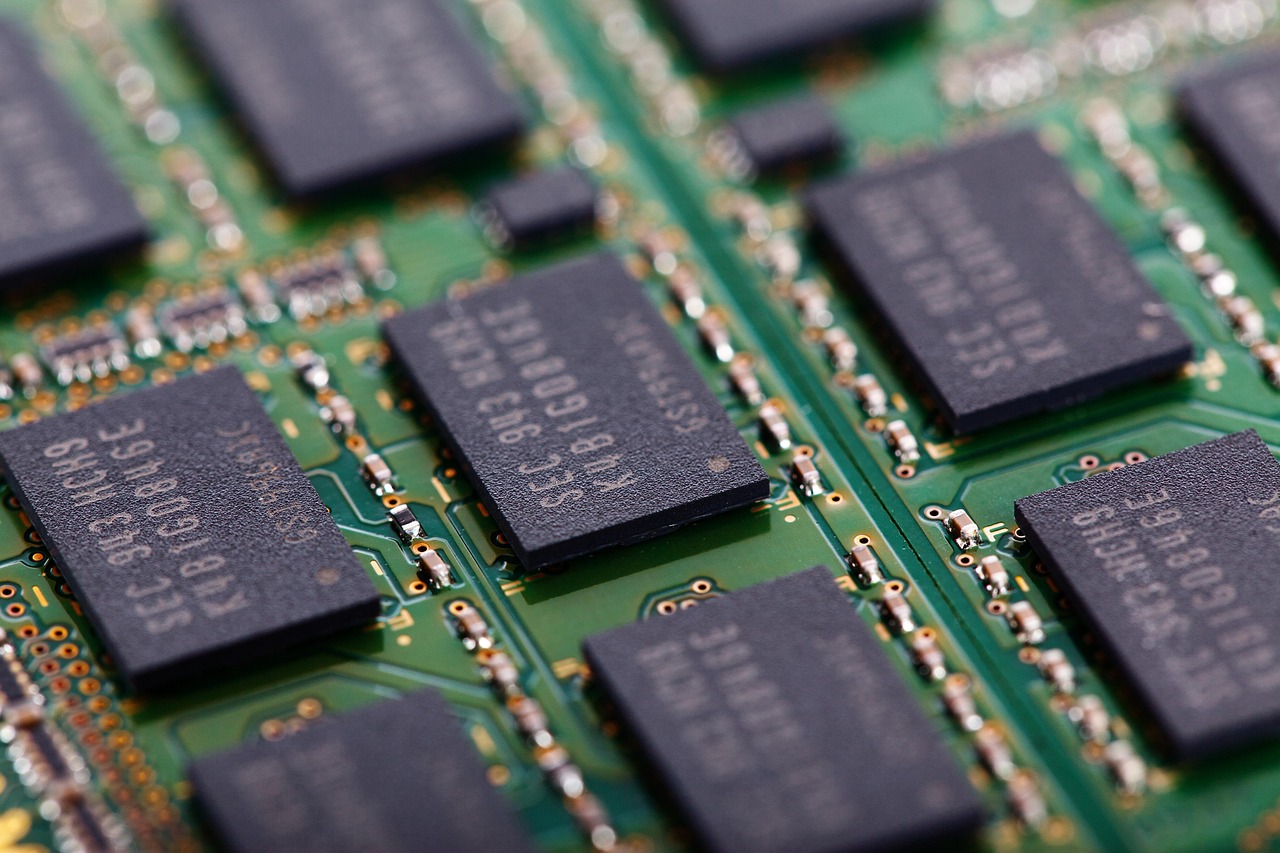
Samsung Electronics and SK Hynix, two of the world’s largest memory chip producers, are central to South Korea’s economic strength and global technology leadership. Memory chips, including DRAM and NAND flash, are essential components used in smartphones, data centers, artificial intelligence systems, and other advanced technologies. Any unfavorable tariff treatment could disrupt supply chains and affect pricing in international markets, making the issue particularly significant for both South Korea and the United States.
As global competition in semiconductors intensifies and trade policies continue to evolve, South Korea’s efforts to ensure fair treatment under U.S. tariffs highlight the strategic importance of the memory chip industry. Ongoing dialogue between Seoul and Washington is expected as both sides seek to balance trade interests while maintaining a stable and competitive semiconductor market.