


 Ukraine Faces $56 Billion Budget Gap as War Costs Soar
  Hong Kong Stocks Slip as Property, Financial Shares Weigh
  Gold Prices Slip as Strong Dollar and High Treasury Yields Weigh
  RBA Says ASX Still Falls Short on Governance and Risk Controls
  RBI Uses $10 Billion Currency Swaps to Drain Excess Rupee Liquidity
  BOJ Set for Rate Hike as Inflation and Yen Pressure Mount
  Nasdaq Hits Record High as Tech Stocks Lift Wall Street
  Asian Stocks Rise as Fed Rate Hike Bets Fade
  Yen Sinks as BOJ Rate Hike Fails to Impress Markets
  OPEC+ Expected to Hold November Oil Output Quotas Steady
  Samsung, SK Hynix Shares Fall Ahead of Q3 Earnings
  Fed Unveils Stablecoin Rules Under GENIUS Act
  Wall Street Rises as Oil Prices Ease, Nasdaq Hits Record
  Trump Opens Tax-Exempt Dyed Diesel Access as Fuel Prices Surge


 Add as a preferred source on Google
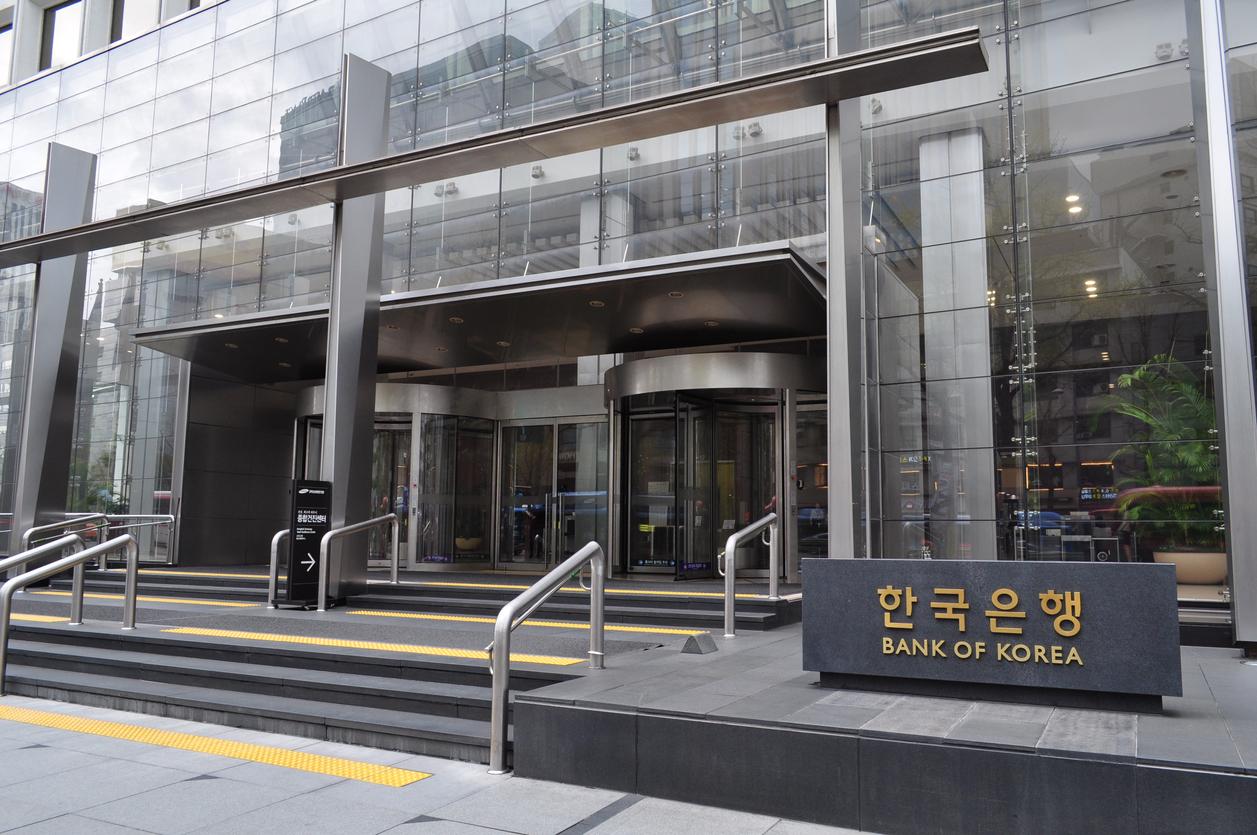
South Korea’s central bank has reinforced expectations of a potential interest rate hike as inflationary pressures continue to build amid rising global oil prices linked to ongoing tensions in the Middle East.
Bank of Korea (BOK) Governor Shin Hyun-song said on Friday that policymakers should raise interest rates “on time” to maintain price stability, emphasizing that inflation is likely to remain above the central bank’s target for an extended period. His comments strengthen market expectations that the BOK could begin monetary tightening as early as its next policy meeting in July.
According to Shin, current economic conditions present limited trade-offs for monetary policy decisions, allowing the central bank to focus primarily on controlling inflation. He noted that economic data released since the BOK’s May policy meeting has further supported the need for a tighter monetary stance.
Recent data showed that South Korea’s consumer inflation rate accelerated to 3.1% in May, marking its highest level in more than two years. The figure exceeded market forecasts and highlighted persistent price pressures affecting the economy. The central bank’s medium-term inflation target remains at 2%, making the latest reading a significant concern for policymakers.
The rise in inflation has been driven in part by higher energy costs, with global oil prices climbing due to geopolitical instability in the Middle East. As a result, the BOK expects inflation to remain above its target level for a considerable period.
At its most recent policy meeting in May, the Bank of Korea kept its benchmark interest rate unchanged. However, a hawkish split among members of the seven-person monetary policy board signaled growing support for tighter monetary policy. The move was viewed as an effort to curb inflation while also providing support for the weakened South Korean won.
Financial markets are now closely watching the BOK’s next interest rate decision, scheduled for July 16. Economists and investors will be looking for further signals on the central bank’s strategy as South Korea navigates persistent inflation, currency pressures, and global economic uncertainty.







