South Korea is pairing its industrial automation base with a 20 trillion won manufacturing AI investment target as it seeks a top-three global AI role, while its 2025 count of notable models trailed the United States and China.
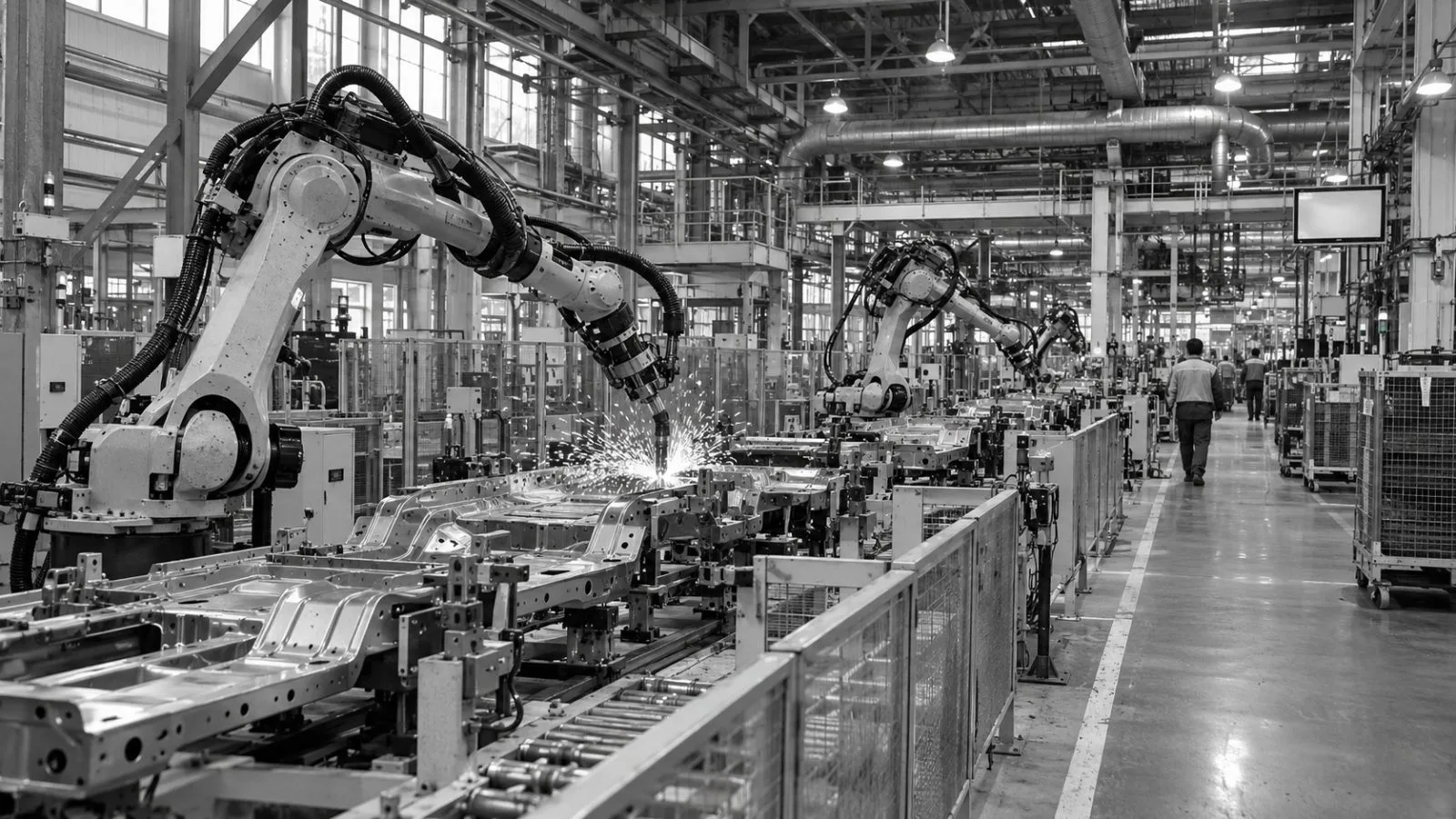
The International Federation of Robotics reported 1,220 operational industrial robots per 10,000 manufacturing employees in South Korea, the world’s highest density. The measure compares the robot stock with manufacturing employment and does not indicate how many robots use AI.
South Korea’s Ministry of Science and ICT set the public-private investment target for manufacturing AI by 2030, aiming to generate more than 100 trillion won in economic value. The ministry also lists becoming one of the world’s three leading AI powers as a national task.
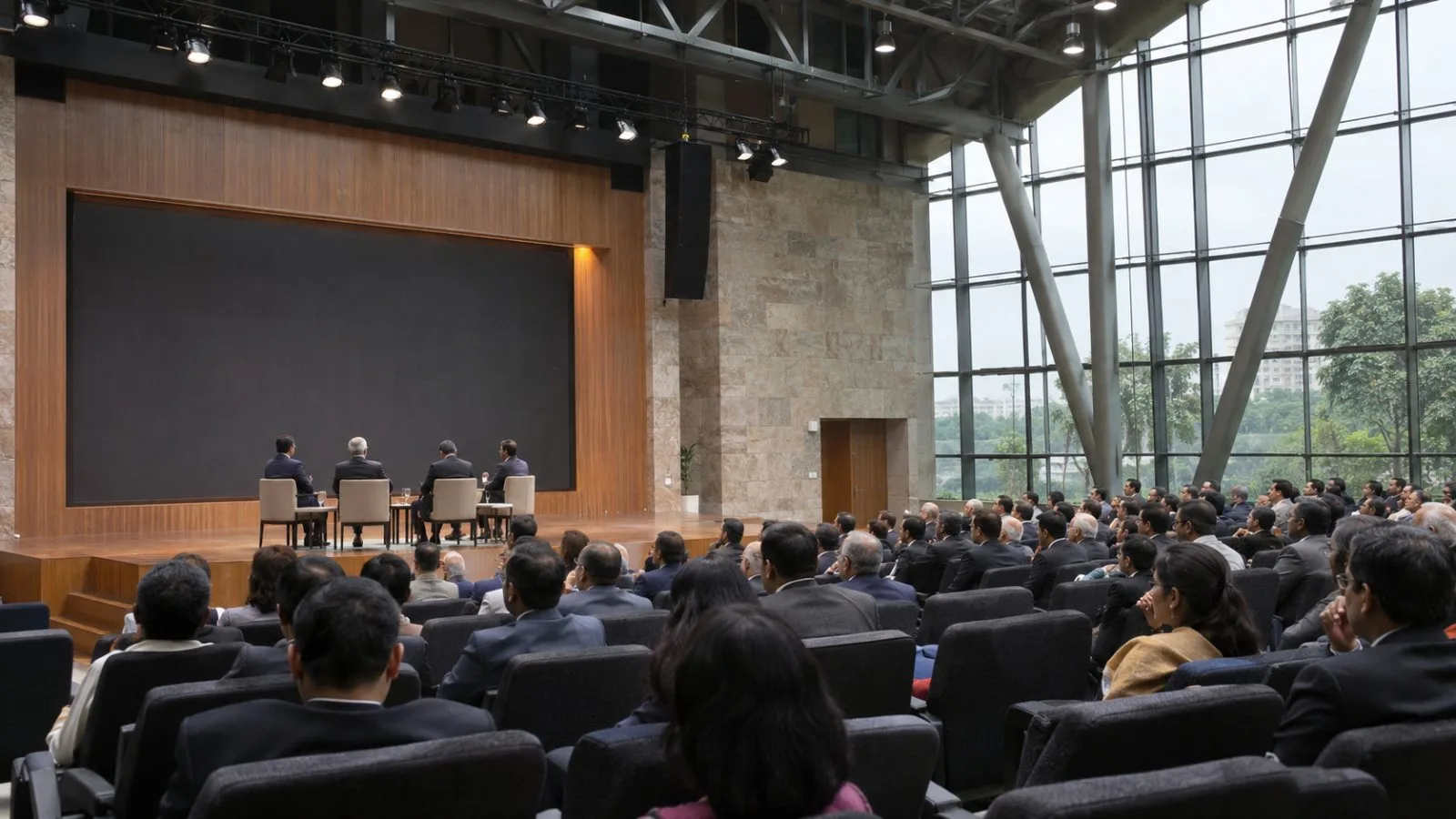
Daegu Gyeongbuk Institute of Science and Technology (DGIST) drew 9,208 applicants for 322 places in its 2027 undergraduate early admissions, Yonhap reported, citing an institute announcement. Its first undergraduate AI College intake received 1,521 applications for 100 places.
Stanford’s 2026 AI Index counted five notable AI models released by South Korea in 2025, compared with 50 from the United States and 30 from China. The count tracks notable model releases, not the full scope of research, education or commercial capability.
DGIST President Lee Kun-woo told The Korea Herald that foreign students and researchers had expressed interest in studying and working at the institute. The newspaper reported that 1,295 applicants from 70 countries sought 15 international-student places.
The measures show South Korea’s industrial automation strength alongside a gap in one indicator of AI development. The investment target and admissions figures point to efforts to build manufacturing AI capacity and demand for university places. The government’s manufacturing AI target runs through 2030.